Enhancing Your Garden Design with the African blood lily Plant: A Landscaping Guide
1
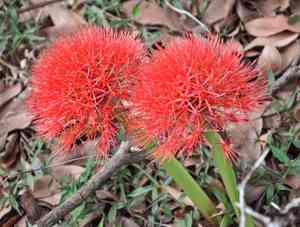
The African blood lily offers a distinct visual charm through its vivid hues and remarkable shape.
2
Strategic positioning and pairing with other flora can amplify the African blood lily's aesthetic effect.
3
Regular upkeep and attentiveness to seasonal shifts will ensure the African blood lily maintains its optimal appearance.
Introducing African Blood Lily in Garden Design
Overview of African blood lily's distinct aesthetic charm
African blood lily enhances any garden with its vivid color explosion and unique floral structure. Its striking blossom can instantly become a centerpiece due to its spherical flower head, composed of numerous tiny, star-shaped florets. This singular look not only captures attention but also imparts an exotic touch to your garden, making it a conversation starter for guests.
Grasping the visual impact of African blood lily within garden areas
The visual effect of African blood lily extends beyond its individual beauty. When placed thoughtfully, it can highlight specific garden zones, act as an accent plant, or establish a visually coherent theme. Its bold hues and dramatic shapes can break up monotonous green foliage, adding depth and dimension to your landscape design. Whether grouped or as a solitary showpiece, African blood lily introduces an element of surprise and delight to garden aesthetics.
Optimal Placement for African Blood Lily's Maximum Effect
Prime spots for African blood lily in your garden
To maximize African blood lily's visual appeal, consider planting it where it can command attention. These locations include entryways, alongside paths, or in dedicated flower beds. It flourishes in both full and partial sun, offering flexibility for various garden sites. Just ensure it's positioned where its color and form are fully appreciable from key viewing points.
Elements to weigh when selecting a site for African blood lily
When choosing the ideal spot for African blood lily, consider factors such as sunlight exposure, soil quality, and water drainage. African blood lily prefers well-draining soil to prevent root rot and foster robust growth. Additionally, think about the plant's mature size to avoid overcrowding. Surrounding plants should complement rather than overshadow African blood lily, ensuring it remains a prominent feature in your garden.
Companion Plants for African Blood Lily
Selecting complementary plants that enhance African blood lily's beauty
Pairing African blood lily with suitable plants can emphasize its striking characteristics. Choose plants with contrasting foliage colors, textures, and heights to create a balanced, harmonious appearance. For instance, plants with dark green or purple leaves can offset African blood lily's vibrant blooms, while ground covers can frame its base and prevent soil erosion.
Crafting harmonious plant arrangements with African blood lily
Harmonious plant groupings can be achieved by considering bloom times and growth habits. Select companion plants that flower at different times than African blood lily to ensure continuous garden interest. Additionally, plan for a variety of heights and forms. Taller plants can provide a dramatic backdrop, while shorter, low-growing plants can fill in gaps and create a lush, layered look. This tiered arrangement can draw the eye towards African blood lily, making it a focal point in the garden.
Seasonal Considerations for African Blood Lily
Best times of the year to plant African blood lily
The optimal time to plant African blood lily is during late spring or early summer when the threat of frost has passed and the soil has warmed. This timing ensures the plant establishes itself during the active growing season, benefiting from ideal temperature and moisture conditions. By planting African blood lily during this period, you set the stage for vigorous growth and stunning blooms.
How seasonal shifts impact African blood lily's appearance
Seasonal changes can significantly affect African blood lily's look. During its blooming season, typically in summer, its vibrant flowers are at their peak, attracting attention and adding a burst of color to your garden. As seasons change, the blooms fade, and the plant may enter dormancy in cooler months. Understanding these changes helps in planning your garden layout to ensure there's always something appealing to see, regardless of the season.
Maintaining African Blood Lily's Visual Appeal
Essential tips to keep African blood lily looking its best
To preserve African blood lily's visual appeal, consistent watering, especially during dry periods, is vital. Ensure the soil stays moist but not waterlogged. Mulching around the base can help retain moisture and suppress weeds. Additionally, removing spent blooms encourages more flowering and prevents the plant from expending energy on seed production, keeping it vibrant throughout the growing season.
Regular inspections and simple maintenance practices
Regular checks for pests and diseases will keep African blood lily healthy and looking its best. Watch for common issues like aphids or fungal infections and treat them promptly with appropriate measures, such as neem oil or fungicides. Periodically clear debris from around the base to promote good air circulation. A bit of seasonal fertilization can also greatly contribute to vigorous growth and stunning blooms.



