Enhancing Your Garden Design with the Lizard's tail Plant: A Landscaping Guide
1
Lizard's tail provides continuous aesthetic value through its unique foliage and periodic flowers.
2
Integrate Lizard's tail into classic, contemporary, or aquatic garden schemes to enhance texture and allure.
3
Yearly maintenance is crucial for preserving the vitality and attractiveness of Lizard's tail across all seasons.
Appreciating the Aesthetic Qualities of Lizard's Tail
The distinctive form and feel of Lizard's tail foliage
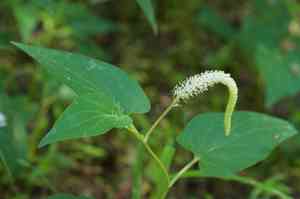
A prominent feature of Lizard's tail is its uniquely shaped leaves, reminiscent of a lizard's tail. These leaves introduce a singular texture to your garden, both captivating and uncommon. The heart-shaped leaves are vibrant green, imparting a fresh, natural ambiance to any garden area. Their texture can offer a visual contrast to smoother foliage, making Lizard's tail an excellent option for adding depth and intricacy to your plant arrangements.
Seasonal shifts in appearance and their garden impact
Lizard's tail undergoes various seasonal transformations that can maintain garden interest throughout the year. In spring, the plant bursts forth with vivid green leaves, establishing a lively backdrop for other emerging flora. During summer, the foliage remains lush and full, with its look further enhanced by delicate, white blossoms. As autumn nears, the leaves may adopt a yellow or brownish tint, contributing rich, earthy tones to your fall garden. Even in winter, Lizard's tail can provide structural appeal.
The role of Lizard's tail flowers in boosting visual appeal
The blooms of Lizard's tail are another remarkable characteristic. Small, white, and grouped in spikes, these flowers lend a touch of grace to your garden. They typically emerge in late spring to early summer, hanging elegantly and swaying gently in the breeze. The juxtaposition of the green foliage and white flowers can create a stunning visual effect, positioning Lizard's tail not merely as a filler plant but as a star in its own right.
Integrating Lizard's Tail into Various Garden Styles
Traditional garden layouts and the placement of Lizard's tail
In classic garden settings, Lizard's tail can be positioned in the mid-ground or background to offer a verdant canvas that makes other plants stand out. Its graceful foliage can frame more colorful blossoms or serve as a soft backdrop for various garden ornaments. Traditional garden elements like stone pathways, wooden benches, and decorative statues can all benefit from the inclusion of Lizard's tail, as it provides a serene and refreshing visual interlude.
Contemporary landscapes and the suitability of Lizard's tail
Modern landscapes, defined by clean lines and minimalist designs, can also benefit from incorporating Lizard's tail. Due to its distinct leaf structure and neat growth habit, it integrates well into geometrically planned gardens or container gardens on patios and terraces. Planted in sleek, modern planters or arranged in precise rows, Lizard's tail introduces an organic, yet structured element to contemporary garden designs.
Enhancing water features with Lizard's tail
Lizard's tail thrives in damp conditions, making it an ideal plant for placement around water features such as ponds, streams, or even water gardens. Its natural habitat near water bodies means it can beautify the edges of these features, softening lines and blending seamlessly with aquatic themes. Used in this manner, Lizard's tail can create a calm and flowing aesthetic that strongly evokes its native environments, adding a lush, tropical feel to your garden.
Seasonal Care Advice for Optimal Lizard's Tail Growth
Spring upkeep for vigorous development
Spring is the opportune time to prepare Lizard's tail for a season of strong growth. Begin by removing any dead or decaying foliage from the base and applying a balanced fertilizer. Sufficient watering is vital as the plant starts to emerge from dormancy. If grown in containers, it might be a good moment to refresh the soil or potting mix to ensure the plant receives all necessary nutrients.
Summer care to maintain vigor
Throughout the summer, consistent irrigation is essential for preserving the vitality of Lizard's tail, especially if situated in direct sunlight. Applying mulch around the base can help retain soil moisture and prevent weeds from competing for nutrients. Monitor for pests or diseases and address them promptly to avoid damage to the foliage and flowers.
Preparing Lizard's tail for colder periods
As temperatures begin to drop, it's important to ready Lizard's tail for the winter months. Reduce watering frequency and start to decrease fertilizing. Pruning back any spent flowers and removing yellowing leaves can help the plant conserve energy for the subsequent growing season. In regions with freezing temperatures, consider adding a layer of mulch or even moving potted plants to a protected location.
Companion Plants That Complement Lizard's Tail
Best plants to pair with Lizard's tail for color harmony
For a balanced color scheme, consider pairing Lizard's tail with plants featuring blue, purple, or white flowers. The subtle green of Lizard's tail offers a perfect backdrop that allows these colors to stand out. Good choices might include blue hydrangeas, white astilbes, and purple irises. These combinations can create a soothing and visually pleasing garden design.
Plants with contrasting textures to accentuate Lizard's tail
To highlight the unique texture of Lizard's tail's leaves, try combining it with plants that have contrasting foliage. Ferns, with their delicate, feathery leaves, can make Lizard's tailâs sturdy, heart-shaped leaves appear even more distinct. Hostas are another excellent option, offering broad, smooth leaves that provide a nice contrast to the textured surface of Lizard's tail.
Advantages of biodiversity when planting Lizard's tail with others
Cultivating a biodiverse garden by planting Lizard's tail alongside a variety of other plants can lead to a healthier and more resilient garden ecosystem. Biodiversity can help reduce the spread of pests and diseases, as different plants attract various beneficial insects and microorganisms. Additionally, a diverse garden can provide year-round interest and a more balanced and natural appearance, enhancing both the aesthetic and ecological value of your garden.



