Enhancing Your Garden Design with the Ashoka tree Plant: A Landscaping Guide
1
The Ashoka tree flourishes in soil that drains effectively and serves as a superb inclusion for diverse garden styles.
2
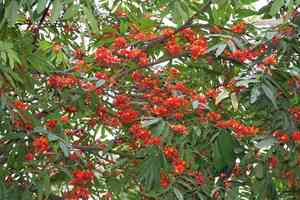
Its vivid blossoms lend grace and hue to any exterior setting.
3
The Ashoka tree requires minimal care, making it perfect for those desiring abundant foliage without significant maintenance.
Introducing the Ashoka Tree in Landscape Design
Overview of Ashoka tree's visual appeal and native region
The Ashoka tree, recognized for its striking and vivid blooms, originates from the Indian subcontinent. This plant displays visually captivating clusters of orange to red flowers, capable of transforming any garden into a lively haven. Its foliage is lush and green, offering a charming backdrop for its blossoms and imparting a tropical aesthetic to your outdoor space.
Why the Ashoka tree is perfect for home gardens
The Ashoka tree is a versatile plant that fits seamlessly into various garden styles, from modern to classic. Its relatively contained growth habit ensures it won't dominate your garden area while still making a significant visual statement. Furthermore, the Ashoka tree is known for its hardiness and resilience, making it suitable for homeowners with limited gardening experience. This robust plant thrives with minimal attention, effortlessly enhancing your home with beauty and greenery.
Popular design concepts featuring the Ashoka tree
With its bright flowers and abundant foliage, the Ashoka tree can be integrated into numerous design themes. For example, it works well in tropical garden settings, pairing perfectly with other exotic plants like hibiscus or bird of paradise. It can also complement minimalist designs with its tidy growth and prominent flowers. Urban gardens, cottage gardens, and even contemporary landscapes can all benefit from including the Ashoka tree, making it a highly adaptable choice for homeowners seeking to diversify their garden's appearance.
Integrating the Ashoka Tree into Your Landscape Plan
Selecting the Optimal Spot for Your Ashoka Tree
Choosing the best location for your Ashoka tree in your landscape is vital for its optimal development. This plant prefers well-draining soil and flourishes in areas receiving partial to full sunlight. Positioning the Ashoka tree near pathways or as a central feature in your garden can emphasize its beautiful flowers and ensure high visibility. Confirm that the chosen site allows for adequate air circulation to prevent potential diseases from overcrowding.
Companion Plants and the Ashoka Tree
Pairing the Ashoka tree with suitable companion plants can amplify its beauty and contribute to a healthier garden ecosystem. Ideal companions include plants that complement the height and color of the Ashoka tree. Taller plants like bamboo can create a layered effect, while ground cover plants such as creeping thyme can enhance the visual appeal of the Ashoka tree. Additionally, companion plants that attract beneficial insects, like marigolds or lavender, can help maintain a balanced garden environment.
Seasonal Considerations for the Ashoka Tree
The Ashoka tree is relatively adaptable in its seasonal needs, but certain considerations can help it thrive throughout the year. During spring and summer, ensure it receives ample water, but avoid waterlogging the soil. In colder months, you might need to offer some protection against frost in regions prone to extremely low temperatures. Mulching around the base can help retain soil moisture and maintain a consistent soil temperature, contributing to the plant's overall health.
Ashoka Tree Maintenance Tips for Landscapes
Basic care and shaping of the Ashoka tree
The Ashoka tree requires minimal but consistent upkeep to maintain its best appearance. Regularly trim any dead or yellowing leaves to encourage new growth and preserve its form. Fertilizing the Ashoka tree twice annually with a balanced fertilizer can promote vibrant blooms and healthier foliage. Be sure to periodically inspect the plant for any signs of pests or diseases, addressing any issues promptly to prevent their spread.
Environmental factors impacting the Ashoka tree
Several environmental elements can influence the health and growth of the Ashoka tree. As it prefers a warm climate, ensure it receives sufficient sunlight throughout the day. While the Ashoka tree is somewhat drought-tolerant, extended dry periods can affect its flowering, so consistent watering is important. It's also crucial to shield the plant from strong winds, which can damage its delicate branches and flowers.
Resolving common issues with the Ashoka tree
While the Ashoka tree is generally robust, it can encounter typical gardening problems such as pests like aphids or scale. Regular monitoring and employing organic pest control methods can keep these issues in check. Fungal diseases can sometimes affect the Ashoka tree, especially in overly damp conditions, so ensuring proper air circulation and avoiding overwatering can reduce this risk. Yellowing leaves might indicate nutrient deficiencies, which can often be corrected with appropriate fertilization.
Creative Applications of the Ashoka Tree in Outdoor Areas
Inspiring projects featuring the Ashoka tree
There are numerous imaginative ways to incorporate the Ashoka tree into your outdoor projects. Consider using this plant as a vibrant focal point in your backyard or creating a stunning garden path lined with Ashoka trees. Additionally, it can be utilized in themed gardens, such as a butterfly garden, due to its attractive flowers that draw pollinators like bees and butterflies.
Integrating the Ashoka tree with hardscapes and structures
The Ashoka tree can be creatively integrated into hardscape elements like pergolas, trellises, and garden walls. Positioning the Ashoka tree near these structures allows you to intertwine its branches and blossoms, adding a natural touch to otherwise constructed features. This integration not only softens the appearance of hardscapes but also makes them seem like a cohesive part of your garden.
Highlighting the Ashoka tree's seasonal colors
Throughout the year, the Ashoka tree undergoes fascinating transformations that add dynamic colors to your landscape. In spring and summer, its flowers are in full bloom, displaying striking hues from orange to red. During autumn, its leaves can exhibit a range of colors, adding rich textures and visual interest to your garden. By understanding these seasonal changes, you can plan your garden layout to consistently feature vibrant elements.



