Enhancing Your Garden Design with the Iguanatail Plant: A Landscaping Guide
1
Iguanatail is a adaptable plant suitable for diverse garden designs.
2
Its minimal care requirements make Iguanatail perfect for gardeners with limited time.
3
Correct positioning of Iguanatail is vital for its best development and aesthetic impact.
Introducing Iguanatail for Outdoor Spaces
Overview of Iguanatail and its distinct features
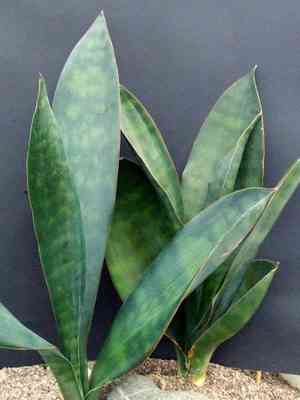
Iguanatail is recognized for its toughness and adaptability, making it a favored option for landscaping. With its striking blade-like foliage and capacity to flourish in diverse settings, Iguanatail brings a unique flair to gardens. This plant is not only visually appealing but also robust, able to endure neglect and poor soil conditions.
Advantages of incorporating Iguanatail in garden layouts
Integrating Iguanatail into your landscape offers several benefits. Its minimal upkeep requirements mean you can dedicate less time to maintenance and more time enjoying your garden. Furthermore, Iguanatail possesses air-purifying qualities, contributing to healthier outdoor air quality. It's also tolerant of dry conditions, making it an excellent choice for water-efficient gardens.
Integrating Iguanatail into Various Garden Styles
Adding Iguanatail to structured gardens
Iguanatail can be seamlessly incorporated into formal garden designs. Its organized, upright leaves provide a sense of order and balance, which are key elements in formal landscapes. Arrange Iguanatail in neat rows or geometric patterns to complement the formal layout. Pairing Iguanatail with boxwoods or other precisely trimmed hedges enhances its structured appearance.
Utilizing Iguanatail in modern landscapes
Iguanatail fits perfectly with contemporary garden designs that emphasize simplicity and clean lines. Plant it in sleek, modern containers or group several together for a bold statement. The architectural quality of Iguanatail juxtaposed with minimalist elements like concrete or metal adds a modern flair to your outdoor space.
Incorporating Iguanatail in rock gardens and arid landscapes
Rock gardens and xeriscapes benefit significantly from the inclusion of Iguanatail. Its drought resistance makes it well-suited for dry, rocky environments. Plant Iguanatail among rocks and gravel to create a low-maintenance, water-efficient landscape. The plant's unique form contrasts beautifully with the rugged textures of rocks, adding visual interest to your garden.
Care Guidelines for Iguanatail in Your Garden
Basic maintenance routines
Maintaining Iguanatail is straightforward. It requires minimal watering, making it perfect for gardeners who prefer a low-effort approach. Water Iguanatail thoroughly but infrequently, allowing the soil to dry out completely between waterings. Avoid overwatering as it can lead to root rot. Additionally, Iguanatail thrives with occasional feeding using a balanced fertilizer during the growing season.
Seasonal care considerations
Though Iguanatail is hardy, seasonal care can ensure it remains vibrant throughout the year. In colder months, protect Iguanatail from frost by moving potted plants indoors or covering outdoor plants. During the growing season, ensure Iguanatail receives adequate light, either from direct sunlight or bright, indirect light, to maintain healthy growth.
Common Design Errors to Avoid with Iguanatail
Overcrowding in landscape design
One common mistake is overcrowding Iguanatail with other plants, which can hinder its growth and aesthetic appeal. Always provide ample space for Iguanatail to grow and spread. Proper spacing ensures each plant receives enough light and nutrients, preventing competition and promoting healthier growth.
Incorrect placement affecting growth
Planting Iguanatail in unsuitable locations can affect its health and appearance. Avoid low-light areas as Iguanatail requires adequate sunlight for optimal growth. Ensure the planting site has well-drained soil to prevent waterlogging. Proper placement, whether in pots or directly in the ground, is essential for the long-term success of Iguanatail in your garden.
Visual Appeal: Highlighting Iguanatail in Your Outdoor Space
Selecting appropriate companion plants for Iguanatail
Pairing Iguanatail with complementary plants enhances its visual appeal and creates a balanced garden design. Companion plants like succulents, ornamental grasses, and low-growing ground covers work well with Iguanatail. These pairings highlight Iguanatail's unique structure and add texture and color contrast to your landscape.
Creative ideas for prominent placements
Showcase Iguanatail by placing it in prominent garden spots where its unique form can be appreciated. Use Iguanatail as a focal point in a planter arrangement, or strategically place it at the entrance of your garden for a welcoming touch. Incorporating Iguanatail in vertical gardens or hanging planters also adds a creative dimension to your landscape.



