Enhancing Your Garden Design with the Scarlet sage Plant: A Landscaping Guide
1
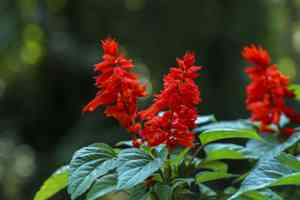
The vivid hue of Scarlet sage can serve as a focal point in any garden setting.
2
Scarlet sage complements other flora effectively to form striking visual differences.
3
Scarlet sage is environmentally beneficial, supports diverse life, and aids in water preservation.
The Striking Allure of Scarlet Sage in Garden Settings
Vivid Hue and Continuous Visual Appeal
A primary reason gardeners and designers favor Scarlet sage is its remarkable coloration. Whether aiming for a bold centerpiece or a burst of seasonal color, this plant consistently delivers. Its blooms offer a brilliant red shade that commands attention, ensuring year-round aesthetic interest. Designing with Scarlet sage means enjoying a lively, dynamic garden regardless of the season.
Establishing Focal Points Using Scarlet Sage
In garden design, establishing focal points is vital for aesthetic charm and structural equilibrium. Scarlet sage serves as an excellent option for this purpose. Its bright, intense flowers naturally draw the eye, making them perfect for placement in key areas of your yard and garden. Consider positioning Scarlet sage where you wish to direct attention, such as entryways, central garden beds, or near patios. This will not only enhance the area but also guide the observer's gaze across your landscape.
Pairings with Other Plants for Contrast
For a truly captivating garden, combining plants that offer contrasting colors and textures creates depth and visual intrigue. Scarlet sage harmonizes beautifully with plants featuring diverse foliage shades and structures. Envision integrating plants with golden-yellow or deep-purple leaves, creating a delightful contrast against the red tones of Scarlet sage. This approach enriches your garden's palette and adds a refined touch to your overall landscape design.
Cultivating Varied Textures and Heights
Layering Scarlet Sage with Diverse Plant Forms
A core principle in professional landscaping involves layering plants to achieve a visually pleasing structure. Scarlet sage can be effectively utilized for this. Their moderate height makes them ideal for the middle layer in tiered garden beds. Combine them with taller background plants and shorter foreground species to ensure a balanced and harmonious design.
Advantages of Blending Different Growth Habits
Mixing plants with varied growth habits creates more than just visual appeal. It also fosters a healthier, more resilient garden. Incorporating Scarlet sage into your landscape means benefiting from a plant that not only looks good but also supports the well-being of adjacent plants by preventing soil erosion, promoting better air circulation, and facilitating nutrient cycling.
Techniques for Maximizing Visual Depth
Maximizing the visual depth in your garden can be achieved through intelligent planting techniques, and Scarlet sage should be part of this strategy. Arranging these plants in graduated rows or staggered patterns enhances the perception of depth and space. Adding layers with Scarlet sage, alongside different heights and textures, can transform a flat garden into a vibrant and dynamic one.
Integrating Scarlet Sage for Seasonal Highlights
Utilizing Scarlet Sage for Springtime Vibrancy
Spring signifies renewal, and incorporating Scarlet sage into your garden during this period can provide a burst of fresh, exciting color. Their red blossoms appear particularly striking against early spring's green foliage and help to enliven a garden after the cold winter months. Plant them in clusters to maximize the impact of their vivid blooms.
Transitioning Decor with Scarlet Sage Through Summer to Fall
One of Scarlet sage's charms is its adaptability across different seasons. As summer arrives, Scarlet sage continues to flourish, adding warmth and brightness to the garden. Moving into fall, these plants can be paired with autumnal foliage and late-blooming species, seamlessly blending into the season's palette while maintaining the garden's overall aesthetic.
Winter Strategies with Scarlet Sage
While Scarlet sage primarily shines during warmer periods, with some foresight, you can extend its appeal into winter. Consider planting them in containers that can be moved to sheltered locations as temperatures drop, or include them in mixed winter beds with evergreens for continuous visual interest. The foliage and structure of Scarlet sage can still add texture and form to winter landscapes.
Eco-Conscious Landscape Practices with Scarlet Sage
Fostering Biodiversity with Scarlet Sage
Scarlet sage is more than just an attractive plant; it also plays a significant role in promoting garden biodiversity. Its flowers attract pollinators like bees and butterflies, contributing to a healthy ecosystem. Integrating Scarlet sage into your landscape plan supports not only plant aesthetics but also the crucial work of these pollinators.
Water Conservation and Scarlet Sage
Environmental awareness in gardening is increasingly vital, and Scarlet sage can assist in water conservation efforts. These plants are relatively drought-tolerant once established, meaning they require less irrigation compared to more water-intensive species. This makes them a sensible choice for eco-conscious gardeners aiming to create beautiful yet sustainable garden spaces.
Organic Gardening Methods Involving Scarlet Sage
For those favoring organic gardening approaches, Scarlet sage fits perfectly. They can be cultivated without synthetic fertilizers or pesticides, simplifying the maintenance of an organic garden. Using compost and mulch around Scarlet sage not only enhances their health but also enriches the soil, encouraging sustainable gardening practices.



