Enhancing Your Garden Design with the Meadow sage Plant: A Landscaping Guide
1
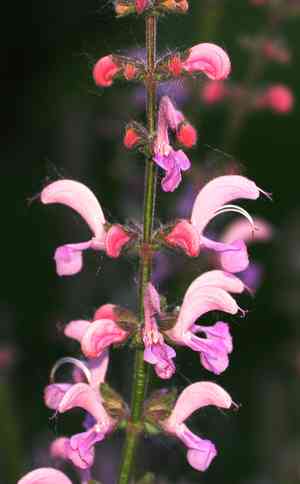
Meadow sage flourishes in bright spots with soil that drains well.
2
Consistent removal of spent flowers promotes ongoing blossoming in Meadow sage.
3
Meadow sage pairs well with diverse companion plants to boost its aesthetic charm.
Introducing Meadow Sage in Garden Design
Overview of Meadow sage and its popularity in contemporary landscaping
Meadow sage is a favorite among garden enthusiasts and landscape professionals due to its vibrant blossoms and resilience. The plant's striking appearance, coupled with its hardiness, makes it a prime choice for those aiming to infuse color into their gardens. Its appeal has grown significantly as more individuals recognize its capacity to craft visually stunning, low-maintenance landscapes.
Advantages of integrating Meadow sage into garden schemes
Incorporating Meadow sage into your garden scheme offers numerous benefits. Firstly, it attracts pollinators like bees and butterflies, fostering a healthy ecosystem. Secondly, its drought-tolerant nature means it requires less irrigation than other ornamentals, making it an eco-conscious option. Furthermore, Meadow sage's fragrant leaves can deter pests, reducing the need for chemical pesticides.
Optimal Placement for Meadow Sage's Visual Appeal
Ideal garden spots to maximize aesthetic impact
To achieve the greatest visual effect from Meadow sage, plant it in garden areas that receive ample sunlight. It thrives in well-drained soil, making elevated beds or sloped areas perfect. Consider placing Meadow sage along walkways or at the front of flower beds where its vivid colors can be admired up close. Its tall, spiky flowers can also serve as a striking backdrop for shorter plants.
Companion plants that enhance Meadow sage's beauty
Meadow sage pairs wonderfully with various other plants. Complement its vibrant hues by planting it alongside softer-colored flowers such as lavender or white daisies. Grasses and other textured plants can offer a beautiful contrast to Meadow sage's bold blooms. Additionally, incorporating herbs like rosemary or thyme not only boosts aesthetic appeal but also contributes to a fragrant garden.
Design Concepts Featuring Meadow Sage as a Central Element
Crafting a color-themed garden using Meadow sage
A color-themed garden with Meadow sage as the focal point can be visually captivating. Consider combining different shades of purple and blue to create a monochromatic scheme that is both calming and striking. Alternatively, pair Meadow sage with contrasting colors such as yellows and oranges for a more vibrant and energetic garden design. The key is to select complementary colors that enhance Meadow sage's overall beauty.
Examples of themed landscapes showcasing Meadow sage
Themed landscapes featuring Meadow sage can range from cottage gardens to modern designs. For a cottage garden, blend Meadow sage with other classic flowers like roses and peonies. In a more contemporary setting, utilize Meadow sage in minimalist arrangements with clean lines and simple color palettes. Its adaptability allows it to fit seamlessly into various styles, making it a favorite for creating diverse and dynamic landscapes.
Seasonal Considerations for Cultivating Meadow Sage
Best times of year to plant Meadow sage for robust growth
The optimal time to plant Meadow sage is in the spring or fall when temperatures are moderate. Spring planting allows the plant to establish itself before summer's heat, while fall planting gives it time to develop roots before winter. Avoid planting during extreme temperatures to ensure the plant's best growth and health.
How seasonal changes affect Meadow sage and its care requirements
Seasonal changes can impact Meadow sage's growth and maintenance needs. During spring and summer, consistent watering and occasional feeding with a balanced fertilizer will support vigorous growth and flowering. In the fall, prune the plant back to encourage healthy regrowth in the spring. Throughout winter, ensure minimal disturbance to the roots to protect them from frost damage.
Maintaining Meadow Sage's Aesthetic Appeal
Regular grooming tips to keep Meadow sage looking its best
Regular grooming of Meadow sage involves deadheading spent flowers to encourage new blooms and extend the flowering period. Trim back any overgrown or leggy stems to maintain a tidy appearance. Periodic pruning can also help shape the plant and promote denser growth. Keeping the plant healthy includes promptly removing any diseased or damaged foliage.
Managing common issues in Meadow sage to sustain landscape quality
Meadow sage is relatively low-maintenance but can occasionally face issues such as mildew or root rot. Ensure good air circulation around the plant to prevent mildew, and avoid overwatering to prevent root rot. Regularly check for pests and diseases, and treat them promptly with organic or chemical solutions as needed. Maintaining a healthy Meadow sage will sustain your landscape's overall quality.
Creative Uses for Meadow Sage in Compact Spaces
Designing vertical gardens and small landscape features with Meadow sage
Meadow sage is an excellent choice for vertical gardens and compact landscape features due to its upright growth habit. Consider using wall-mounted planters or allowing it to cascade from containers for a dramatic effect. Vertical gardening with Meadow sage not only conserves space but also creates an eye-catching focal point. Additionally, its aromatic foliage can enhance the sensory experience of a small garden.
Tips for impactful arrangements in confined areas
In small spaces, impactful arrangements with Meadow sage can be achieved by using clusters of plants for a bold statement. Mix with other compact plants to create a lush, layered effect. Utilizing containers allows you to move and rearrange Meadow sage as needed. Choose decorative pots and planters to add an extra touch of style to your small garden. Remember, less can be more when it comes to small space gardening.



