Enhancing Your Garden Design with the Baby sage Plant: A Landscaping Guide
1
Baby sage flourishes across diverse environments, positioning it as an adaptable option for numerous gardens.
2
Integrating Baby sage with other flora is crucial for an energetic garden aesthetic.
3
Consistent upkeep of Baby sage guarantees continuous attractiveness and vitality in your outdoor space.
Introducing Baby sage: A Versatile Addition to Any Garden
Understanding the adaptability of Baby sage in various climates
A remarkable trait of Baby sage is its versatility. This plant flourishes across diverse climates, from sunny, warm areas to regions experiencing moderate frost. This makes it an excellent choice for gardeners in many different locations. Its resilience allows it to endure temperature shifts and even some dry spells, making it a low-maintenance option that doesn't compromise beauty for hardiness. Whether you reside in a temperate zone or an area prone to harsher weather, Baby sage can adjust and thrive, bringing vibrant color and life to your garden all year.
The aesthetic appeal of Baby sage throughout the seasons
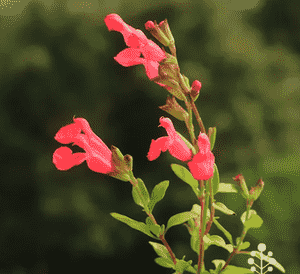
Baby sage is not only adaptable but also visually appealing across different seasons. Its bright, tubular flowers emerge in spring and may continue to appear sporadically throughout warmer months, offering a vibrant splash of color. In autumn, the foliage can undergo a charming transformation, providing a distinct yet equally attractive look. The plantâs evergreen nature ensures it maintains a lush, green presence even in winter, keeping your landscape inviting regardless of the season. This seasonal versatility makes Baby sage a standout addition to any garden, easily enhancing aesthetic appeal all year long.
Landscape Design Ideas Incorporating Baby sage
Creating focal points with Baby sage in your garden layout
To establish captivating focal points in your garden, utilizing Baby sage can be incredibly effective. Planting Baby sage in clusters around central garden elements like a birdbath, garden bench, or statue can draw the eye and create a balanced, aesthetically pleasing design. Its vibrant flowers and lush foliage naturally attract attention, making it an ideal candidate for highlighting key areas of your landscape. By strategically placing Baby sage, you can guide visitors' gaze and enhance the overall flow of your garden layout.
Combining Baby sage with other plants for a vibrant display
For a truly vibrant garden display, pairing Baby sage with other complementary plants is a winning strategy. Consider combining it with plants that have contrasting foliage textures and colors, such as ornamental grasses or plants with silver-hued leaves. Additionally, flowering plants with blooms in contrasting or coordinating colors can create a stunning visual effect. The key is to select plants that not only look good together but also share similar light and soil requirements. This harmonious approach can lead to a lush, dynamic garden that thrives beautifully together.
Tips on positioning Baby sage for optimal growth and visual impact
Correctly positioning Baby sage in your garden is crucial for both its development and the visual impact of your landscaping. Ideally, it should be planted in a spot that receives full sun to partial shade. Ensure the soil is well-drained to prevent roots from becoming waterlogged, which can hinder growth and affect health. Placing Baby sage near pathways or garden edges can maximize its visibility and accessibility, allowing you and your guests to fully enjoy its beauty. Regularly assess its spacing needs as it matures to ensure it doesn't become overcrowded, which can impact its flowering and overall health.
Maintaining Baby sage in Your Landscape
Seasonal maintenance tips for Baby sage
Proper seasonal care is essential for keeping Baby sage healthy and vibrant. Prune your Baby sage plants in early spring to encourage new growth and a more compact form. Regular removal of spent flowers can promote further blooming throughout the season. In the fall, cutting back the plant can help prepare it for winter, while a light layer of mulch can protect the roots from frost. These simple yet effective practices can ensure your Baby sage remains a stunning feature in your garden year after year.
Watering and feeding requirements
Maintaining the correct watering and feeding routine for Baby sage is vital for its health. During the growing season, water regularly to keep the soil moist but not soggy, allowing the top few inches of soil to dry out between watering sessions. Mulching around the base can help retain moisture and prevent weed growth. Fertilize your Baby sage with a balanced, slow-release product in the spring to encourage robust growth and abundant flowering. Avoid over-fertilizing, as this can lead to excessive foliage at the expense of flowers. Monitoring these requirements can keep your Baby sage thriving.



