Enhancing Your Garden Design with the Purple sage Plant: A Landscaping Guide
1
Purple sage is a adaptable plant that flourishes in diverse garden designs, from classic to contemporary.
2
Incorporating Purple sage into your outdoor space can aid local fauna, providing a haven for beneficial insects.
3
Purple sage needs little care after it's rooted, making it an easy-to-manage, beneficial addition to your property.
Introducing Purple Sage for Landscape Use
Why is Purple Sage a good choice for gardens and outdoor spaces?
Purple sage stands out as an excellent option for gardeners seeking a plant that combines visual appeal with hardiness. Renowned for its ability to withstand dry conditions, Purple sage flourishes even in arid climates, making it perfect for water-efficient landscapes. Its capacity to endure harsh weather and adapt to various soil types further expands its utility in diverse gardening environments, whether you're cultivating a small urban plot or an expansive rural property.
An overview of Purple Sage's visual appeal and unique characteristics
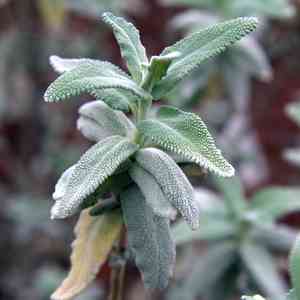
A key attribute of Purple sage is its striking appearance. With its soft, silvery foliage and vibrant blooms, Purple sage adds a touch of grace and color to any garden. The delicate flowers, appearing in shades of purple, create a visually pleasing contrast against the plant's leaves. Furthermore, Purple sage emits a pleasant fragrance, adding another sensory dimension to your gardening experience.
Designing with Purple Sage: Creative Concepts
Integrating Purple Sage into both classic and contemporary garden designs
Purple sage is adaptable enough to seamlessly fit into both traditional and modern garden aesthetics. In a classic setting, Purple sage complements elements like stone paths, wooden benches, and ornate fountains. Its textured leaves and vivid flowers can soften the rigid lines of these features, creating a harmonious balance. In modern gardens, Purple sage's sleek, silver foliage and bright blossoms provide a splash of color and texture. It pairs well with minimalist designs, offering visual interest without overpowering the clean lines and open spaces typical of modern landscapes.
Pairing Purple Sage with other plants for a lively landscape
Achieving a diverse and vibrant garden is simple when you combine Purple sage with other plants. Consider grouping it with ornamental grasses, succulents, and other drought-tolerant species for a visually cohesive and low-maintenance garden. You can also use Purple sage to create striking contrasts with deep green foliage plants or bright, warm-toned flowers. This combination not only enhances your garden's visual appeal but also promotes a healthy ecosystem by attracting pollinators like bees and butterflies.
Practical Advantages of Purple Sage in Your Yard
How does Purple Sage contribute to the local environment?
Purple sage plays a vital role in supporting the local ecosystem. Its flowers offer nectar and pollen for various pollinators, including bees and butterflies, aiding in the pollination of nearby plants and overall biodiversity. Additionally, the dense foliage of Purple sage provides shelter and nesting spots for small birds and insects, fostering a miniature ecosystem within your garden. By incorporating Purple sage into your landscaping, you're not just improving your yard's aesthetic but also contributing to environmental preservation.
Maintenance benefits: Assessing the ease of caring for Purple Sage
One of the most attractive aspects of Purple sage is its minimal maintenance requirements. Once established, Purple sage is remarkably resilient, needing very little watering and care. It's resistant to pests and requires little to no fertilization, making it an ideal choice for gardeners looking to reduce the time and effort spent on upkeep. Regular pruning, primarily to remove dead or damaged stems, is often sufficient to keep Purple sage healthy and visually appealing. This ease of care makes Purple sage an excellent option for both new gardeners and those with busy schedules.
Getting Started with Purple Sage in Your Landscape Design
Choosing the correct site and conditions for Purple Sage
Selecting the appropriate location for Purple sage is crucial for its growth and development. This plant prefers well-drained soil and full sun exposure, though it can tolerate partial shade. When planning your garden, choose a spot that offers ample sunlight and ensure the soil drains effectively to prevent root rot. Avoid overly shaded or waterlogged areas to provide Purple sage with the best conditions for flourishing. Additionally, consider the plant's mature size when spacing them in your garden to allow for adequate air circulation and growth.
A step-by-step guide to planting and initial care for Purple Sage
Planting Purple sage is straightforward. Begin by digging a hole twice the width of the plant's root ball and of equal depth. Place the plant in the hole, ensuring it's level with the surrounding soil. Backfill the hole with soil, gently pressing down to eliminate air pockets. Water the plant thoroughly after planting to help it settle. During the initial weeks, keep the soil moderately moist until the plant establishes itself. Once established, reduce watering frequency, relying on natural rainfall if possible. Mulching around the base can help retain moisture and suppress weeds, further simplifying the maintenance process.



