Enhancing Your Garden Design with the Autumn sage Plant: A Landscaping Guide
1
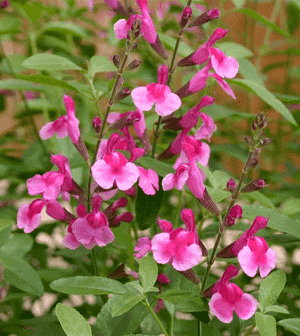
Autumn sage provides vivid hues that can brighten any garden space.
2
This plant adapts well to diverse weather conditions, making it a flexible option.
3
Autumn sage needs little upkeep, making it ideal for homeowners with limited time.
Why Incorporate Autumn Sage into Your Landscape?
Visual Appeal: Lively Hues and Textures
A primary reason to consider adding Autumn sage to your outdoor space is its striking visual charm. The vivid shades and interesting textures this plant offers can serve as a beautiful focal point in any garden. Whether you desire a burst of color to brighten a corner or a continuous border of blossoms, Autumn sage can fulfill your needs. Its flowers come in various tones, providing design flexibility to complement other plants or garden features. Envision a garden vibrant with late summer and early fall colorsâa true feast for the eyes!
Versatility: Flourishing in Diverse Environments
Another strong attribute of Autumn sage is its adaptability. This plant is remarkably resilient and can thrive in a range of climates and soil conditions. Whether your region experiences scorching summers or cooler winter months, Autumn sage can adjust and prosper. This versatility makes it an excellent choice for various landscaping projects, from coastal gardens to inland settings. It's a reliable plant that offers both beauty and durability.
Low Upkeep: Ideal for Busy Homeowners
For those who enjoy gardening but find it challenging to keep up with demands, Autumn sage is an excellent low-maintenance option. Once established, it requires minimal watering and can endure periods of drought. Furthermore, it resists many common pests and diseases, saving you the trouble of frequent interventions. Occasional pruning is usually all that's needed to keep it looking its best, freeing up your time for other pursuits.
Designing Your Garden with Autumn Sage
Space Planning: Layout and Planting Advice
Creating a garden that highlights Autumn sage begins with effective space planning. Decide where to plant them by considering factors like sun exposure and soil type. Autumn sage thrives in well-drained soil and full sun, so select spots that meet these conditions for optimal results. Additionally, consider the plant's mature size when spacing them to prevent overcrowding. Using garden markers and sketching your garden plan can help visualize the final appearance before planting.
Plant Pairings: Cultivating Harmony
Autumn sage pairs beautifully with various other plants, offering the chance to create a harmonious garden landscape. Consider mixing it with other perennials such as lavender or ornamental grasses to create a blend of colors and textures. The subtle tones of these companion plants can complement the vibrant colors of Autumn sage, making the entire garden landscape appear cohesive. Experiment with different combinations to discover the perfect look for your garden.
Adding Garden Elements: Rocks, Water, and Art
Enhancing your garden with Autumn sage extends beyond just planting. Integrate elements like rocks, water features, and garden art to create a more dynamic and engaging space. Rocks can add a rustic touch and also aid with drainage, which benefits Autumn sage. Water features like small ponds or fountains can add a calming element to your garden, making it a serene retreat. Donât forget garden artâstatues, trellises, and decorative pots can elevate the overall aesthetics.
Seasonal Considerations for Autumn Sage
Spring and Summer: Peak Flowering Period
Spring and summer are the primary blooming seasons for Autumn sage. During these months, your garden will be filled with its vibrant colors, making it an ideal time for garden gatherings or simply enjoying the view. Ensure you water them regularly, especially during dry spells, to keep the blooms thriving. Adding a layer of mulch can help retain moisture and keep the soil cool, extending the flowering period.
Fall Preparations: Ensuring Winter Health
As colder months approach, it's crucial to prepare Autumn sage for winter. Begin by cutting back the plant once the blooming period ends to maintain its shape and encourage healthy growth next season. Applying a layer of mulch or compost around the base can protect the roots from freezing temperatures. If you live in a particularly harsh climate, consider covering the plants with frost cloths to shield them from extreme cold.
Common Challenges with Autumn Sage in Landscapes
Pest Management: Natural and Safe Approaches
While Autumn sage is generally pest-resistant, it's not entirely immune. Aphids, spider mites, and whiteflies can occasionally pose a problem. Opt for natural and safe methods to address these issues, such as introducing beneficial insects like ladybugs or using insecticidal soap. Regularly inspecting your plants and maintaining garden hygiene can also prevent infestations.
Color Maintenance: Sustaining Vibrancy
Maintaining the vibrant colors of Autumn sage requires some attention. Ensure your plants receive adequate sunlight, as insufficient light can cause the colors to fade. Regular feeding with a balanced fertilizer can also help enhance the blooms. Deadheading spent flowers frequently encourages more blooms and keeps the plant looking fresh and colorful throughout the blooming season.



