Enhancing Your Garden Design with the Mealycup sage Plant: A Landscaping Guide
1
Mealycup sage is a adaptable plant that can readily enhance diverse garden features.
2
Mealycup sage needs little upkeep, making it perfect for gardeners with limited time.
3
Sowing Mealycup sage during the appropriate season can boost its development and aesthetic appeal.
Introducing Mealycup Sage for Landscape Design
Why Mealycup sage is a top pick for contemporary gardens
Mealycup sage is gaining popularity in modern garden designs due to its robust nature and minimal upkeep. This perennial is celebrated for its vivid blue blossoms, which provide a burst of color that can enliven any outdoor space. Furthermore, its capacity to flourish in diverse soil types and conditions makes it a flexible option for both new and seasoned gardeners. Mealycup sage is also valued for drawing in butterflies and hummingbirds, adding a lively, dynamic element to your garden.
Discovering the visual impact of Mealycup sage
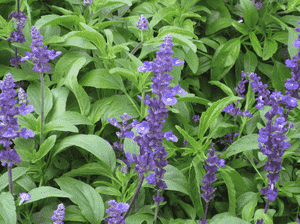
The aesthetic appeal of Mealycup sage stems from its prominent flower spikes that bloom profusely from late spring through early autumn. These blossoms stand tall, offering a beautiful contrast against the green foliage, positioning Mealycup sage as a focal point in any garden scheme. Its distinct coloration can unify various components within a landscape, fostering a coherent and thoughtfully designed appearance. Whether planted in clusters or dispersed throughout the garden, Mealycup sage can significantly elevate the aesthetic quality of the outdoor area.
Integrating Mealycup Sage with Other Plants
Companion plants that harmonize with Mealycup sage
Mealycup sage pairs exceptionally well with a variety of other plants to create lush and diverse garden beds. Consider coupling it with ornamental grasses, which can complement its vertical structure, or mix it with other bold perennials like coneflowers or daylilies to enhance color diversity. When selecting complementary plants, think about varying textures and heights to create a layered, more dynamic visual experience.
Utilizing Mealycup sage to establish flow in your garden layout
Strategic placement of Mealycup sage throughout your garden can help create a natural flow and cohesion in your landscape design. By aligning Mealycup sage along pathways or as border plants, you can guide the eye and movement through the garden spaces. Its consistent presence can connect different sections of your garden, making the overall layout feel more intentional and unified.
How Mealycup sage influences your yard's color dynamics
The vibrant blue of Mealycup sage's flowers can act as a striking contrast against warmer hues found in other plants, adding depth and interest to your garden's color palette. You can use Mealycup sage to offset the greens and browns typically dominant in garden settings, thus creating a more lively and inviting atmosphere. Its unique color also pairs well with whites, pinks, and purples, offering a range of combinations to experiment with.
Seasonal Considerations for Mealycup Sage
Optimal planting times for Mealycup sage
The ideal time to plant Mealycup sage is during the cooler months of spring and fall. This planting schedule allows the roots to establish themselves before the peak heat of summer or the cold of winter. By planting during these periods, you give Mealycup sage the best chance to thrive and bloom profusely throughout its growing season. Be sure to choose a sunny spot with well-draining soil to optimize growth conditions.
Seasonal care advice for maintaining Mealycup sage's allure
Maintaining the beauty of Mealycup sage throughout the seasons involves a few simple care routines. Regular deadheading of spent flowers encourages further blooming and keeps the plant looking tidy. During the summer, ensure consistent watering but avoid overwatering as Mealycup sage prefers well-drained soil. In colder months, consider mulching around the base to protect the roots from frost. Fertilize sparingly in the spring to promote healthy growth without oversaturating the soil.
Creative Applications of Mealycup Sage in Landscape Features
Integrating Mealycup sage into rock gardens and water features
Mealycup sage makes an excellent addition to rock gardens and water features due to its drought tolerance and striking appearance. The plant's upright structure adds height and dimension to rock settings, while its blue flowers can complement the reflective surfaces of water features. Arrange Mealycup sage around rocks or along the edges of ponds to create a seamless blend between natural elements.
Designing pathways and borders with Mealycup sage
Using Mealycup sage as a border plant or along garden paths can define spaces and create visually appealing lines in your landscape. Its resilient nature allows it to thrive in these locations where foot traffic might disturb more delicate plants. Borders of Mealycup sage can provide a soft barrier that guides visitors through your garden while contributing to the overall design aesthetic with its consistent color and form.
Ecological benefits of incorporating Mealycup sage into your garden
One of the key eco-friendly benefits of Mealycup sage is its low water requirements, making it a sustainable choice for xeriscaping or reducing overall water usage. Additionally, Mealycup sage attracts pollinators such as bees, butterflies, and hummingbirds, supporting local ecosystems' health and biodiversity. By choosing Mealycup sage, you're not only enhancing your garden's beauty but also contributing to environmental conservation efforts.



