Enhancing Your Garden Design with the Sitka willow Plant: A Landscaping Guide
1
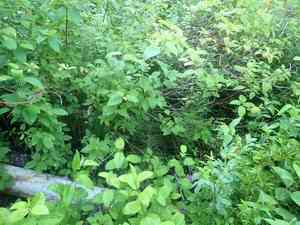
Sitka willow is valued for its distinct textural quality and changing seasonal hues.
2
Ideal positioning for Sitka willow takes into account its light and shadow needs.
3
Pairing other plants with Sitka willow ensures continuous aesthetic appeal throughout the year.
Exploring the Visual Charm of Sitka Willow
Emphasizing the Distinctive Textural Richness Sitka Willow Brings to Gardens
A prominent characteristic of Sitka willow is its remarkable capacity to introduce textural depth to your garden. The intricate arrangement of its branches, combined with its delicate leaves, provides a subtle yet profound enhancement to any landscape design. Unlike more common plants, Sitka willow can serve as the focal point of a garden, attracting attention with its layered and complex structure. Its adaptability makes it suitable for both traditional and contemporary garden settings, ensuring it integrates seamlessly into diverse styles.
The Seasonal Color Changes of Sitka Willow
Sitka willow presents a dynamic color palette that shifts with the seasons, offering continuous visual interest. In spring and summer, its leaves contribute a fresh, vibrant green hue to your garden, fostering a lush and inviting atmosphere. As autumn arrives, the foliage transforms, displaying warm shades of yellow and orange, adding a burst of seasonal vibrancy. Even during winter, the branches of Sitka willow provide a structured elegance that stands out against the often stark winter landscape, ensuring your garden remains attractive throughout the year.
Optimal Placement of Sitka Willow in Outdoor Spaces
Evaluating Sunlight and Shade Needs for Sitka Willow
Effective placement of Sitka willow in your garden largely depends on understanding its light requirements. Sitka willow generally thrives in full sun but can also tolerate partial shade. It's crucial to assess areas of your garden that receive ample sunlight throughout the day. The ideal spot will have well-drained soil and, if possible, be near a water source, given Sitka willow's preference for moist conditions. Ensuring these factors will help Sitka willow grow vigorously and maintain its health and vitality.
Garden Locations Where Sitka Willow Flourishes
Sitka willow is highly adaptable, making it suitable for various positions within your landscape. It performs exceptionally well near water features like ponds or streams, where the soil tends to remain damp. You can also plant Sitka willow along garden edges to create natural boundaries or even as a solitary specimen plant in the center of a lawn. The key is to ensure the plant has sufficient room to expand both above and below ground, preventing overcrowding and allowing it to become a highlight in your landscape design.
Companion Planting with Sitka Willow
Ideal Plant Partners for Sitka Willow
When considering companion planting, selecting the right partners for Sitka willow can boost its growth and aesthetic appeal. Plants that thrive in similar conditions, such as moisture-loving perennials and ground covers, make excellent companions. Consider plants like ferns, hostas, and astilbes, which not only enjoy the same soil and light conditions but also complement Sitka willow's textural and color attributes. These combinations will create a harmonious and visually pleasing garden space.
Designing Plant Arrangements for Year-Round Visual Appeal
To keep your garden looking vibrant throughout the year, design plant groupings that offer continuous seasonal interest. Pair Sitka willow with spring-flowering bulbs for early color, and incorporate summer bloomers such as hydrangeas and daylilies. For autumn, integrate plants with striking fall foliage or late bloomers like asters. Winter interest can be maintained by evergreen shrubs or ornamental grasses that provide structure and texture. This thoughtful grouping will ensure your garden remains lively and engaging through all seasons.
Maintaining Sitka Willow in Your Landscape
Seasonal Pruning Advice
To keep Sitka willow healthy and looking its best, regular pruning is essential. Prune in late winter or early spring before new growth begins. Focus on removing dead or damaged branches, thinning out crowded areas to allow light and air to penetrate, and shaping the plant to maintain its natural form. Proper pruning encourages new growth, enhances the plant's aesthetic appeal, and prevents potential pest and disease issues. Always use clean, sharp pruning tools to avoid damaging the plant.
Monitoring and Managing Common Pests and Diseases
Like any garden plant, Sitka willow can be susceptible to pests and diseases. Regular monitoring is key to managing these issues before they escalate. Common pests include aphids and caterpillars, which can be managed through organic pest control methods like neem oil or introducing beneficial insects. Diseases such as fungal infections can be mitigated by ensuring good air circulation around the plant and avoiding overhead watering. Promptly address any signs of distress to keep Sitka willow healthy and thriving.
Creative Uses of Sitka Willow in Landscape Design
Creating Natural Barriers and Privacy Screens
Sitka willow is an excellent choice for creating natural barriers and privacy screens in your landscape. Its dense foliage and bushy growth habit make it ideal for blocking unwanted views or defining garden boundaries. Plant Sitka willow in rows along property lines or use it to create secluded garden rooms within larger spaces. This not only adds privacy but also introduces a sense of enclosure and tranquility to your garden.
Innovative Ideas for Integrating Sitka Willow with Hardscape Elements
Sitka willow can be creatively integrated with various hardscape elements to enhance the overall landscape design. Consider planting Sitka willow near stone pathways, garden benches, or water features to soften the hard edges and add a natural element to these structures. Its flexible branches can also be trained to grow over arbors or pergolas, creating a living canopy that provides shade and aesthetic appeal. These innovative uses of Sitka willow can elevate your garden design, making it both functional and visually pleasing.



