Enhancing Your Garden Design with the Black willow Plant: A Landscaping Guide
1
Black willow flourishes in moist, riverside habitats, making it ideal for waterside settings.
2
Its swift development offers prompt shade and seclusion for your outdoor space.
3
Given appropriate attention, Black willow can be a robust and lasting element in your garden for an extended period.
Introducing Black Willow in Landscape Design
Overview of Black willow's unique features and natural charm
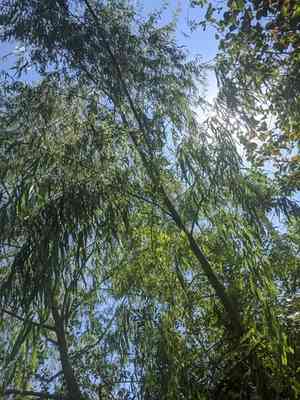
Black willow stands out as an excellent option for any garden, offering both visual appeal and practical advantages. Renowned for its vibrant green leaves and gracefully arching branches, Black willow brings an air of sophistication to outdoor spaces. Its capacity to flourish in damp environments makes it perfect for locations near water bodies like ponds or streams. Beyond creating a peaceful and scenic setting, Black willow also supports local wildlife by providing shelter and sustenance for various creatures.
Historical application of Black willow in landscape architecture
Historically, Black willow has been a preferred choice in landscape design due to its rapid development and adaptability. For centuries, it has been utilized to prevent soil erosion along riverbanks and to establish natural barriers and windbreaks. Its pliability and ease of propagation have made it a staple for traditional landscaping projects, where utility meets beauty. Over time, Black willow has moved beyond its practical beginnings, becoming a cherished ornamental tree in both public parks and private gardens.
Optimal Placement for Black Willow in Landscaping
Considering soil types suitable for Black willow
Black willow prefers damp, well-drained soil, thriving best in areas with a high water table. It can tolerate various soil types, from sandy to clay, but performs exceptionally well in loamy soils rich in organic matter. When planting Black willow, ensure the soil is properly prepared to encourage robust root development and vigorous growth.
Ideal climatic conditions for Black willow growth
Black willow is highly adaptable and can grow in diverse climatic conditions, but it favors temperate regions. It can withstand both hot summers and cold winters, making it versatile across different geographical areas. However, for optimal growth, plant Black willow in an area that receives ample sunlight and has a consistent moisture source, such as a nearby water feature or a naturally moist part of your garden.
Space requirements and positioning within your garden
When considering planting Black willow, it's vital to account for its potential size and spread. Black willow can grow quickly, reaching heights of up to 50 feet or more, with an extensive root system. Ensure sufficient space for its development and position it away from structures or underground utilities to prevent potential damage. Planting Black willow in a spacious area will allow its natural beauty to thrive while minimizing maintenance concerns.
Design Concepts and Pairings with Black Willow
Creating focal points using Black willow
Black willow can serve as an impressive focal point in your garden with its striking presence and lush canopy. Use it as a centerpiece in a large lawn or as a backdrop for smaller, flowering plants to create a layered and dynamic visual effect. Its dramatic structure can draw attention and add a sense of tranquility to your landscape.
Companion plants that complement Black willow
Pairing Black willow with other plants can enhance your garden's aesthetic appeal. Consider moisture-loving species like ferns, hostas, and water irises, which thrive in similar conditions. These plants can add texture and color contrast to the greenery of Black willow, creating a harmonious and visually pleasing garden design.
Maintaining the Health and Beauty of Black Willow
Seasonal considerations for Black willow upkeep
To keep Black willow healthy and vibrant, factor in seasonal maintenance. Regular watering during dry spells, mulching to retain soil moisture, and protecting young trees from harsh winter conditions are crucial. In the spring, consider applying a balanced fertilizer to promote new growth, and monitor for pests or diseases throughout the year.
Pruning techniques specific to Black willow
Pruning Black willow is essential to maintain its shape and health. Regularly remove dead or diseased branches to prevent decay and promote air circulation within the canopy. Pruning should be done in late winter or early spring before new growth begins. This timing helps the tree heal quickly and encourages a robust blooming and growing season.



