Enhancing Your Garden Design with the Shining willow Plant: A Landscaping Guide
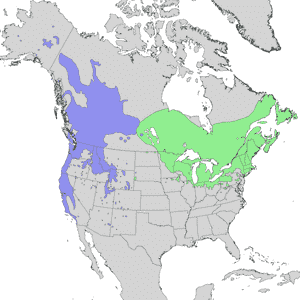
1
Shining willow adapts well to diverse soil conditions, making it suitable for various environments.
2
Consistent trimming of Shining willow helps preserve its form and enhances its vitality.
3
Shining willow provides continuous aesthetic value through its changing appearance across seasons.
The Visual Appeal of Shining Willow in Garden Design
Visual characteristics: Describe the unique look of Shining willow
A key attribute of Shining willow is its striking visual charm. This plant features abundant, lustrous leaves that gleam in sunlight, making it a prized addition to any garden. The distinct sheen of its leaves persists throughout the growing season, lending a vibrant, robust appearance to your landscape. Furthermore, Shining willow can attain significant height, offering a prominent vertical element that grounds your garden layout. Whether positioned as a focal point or within a border, Shining willow is sure to draw attention and admiration.
Seasonal changes: Explore how Shining willow transforms through the year
A captivating aspect of Shining willow is its seasonal metamorphosis. In spring, anticipate a flush of new green leaves, infusing your landscape with a sense of renewal and vigor. As summer arrives, the leaves of Shining willow deepen to a rich green, creating a lush backdrop for other flora. By autumn, Shining willow presents a spectacular display of yellow foliage, adding warmth and color to your garden. Even in winter, its structure provides visual interest, with sturdy branches standing out against snow or a dormant setting.
Selecting the Ideal Location for Shining Willow
Sunlight requirements: Optimal light conditions for planting Shining willow
To ensure Shining willow flourishes in your garden, understanding its light needs is crucial. Shining willow prefers full sun to partial shade, making it quite versatile. However, for peak growth, aim to plant it where it receives at least six hours of direct sunlight daily. This promotes vigorous development and vibrant foliage. In regions with intense summer heat, providing some afternoon shade can protect Shining willow from scorching while still allowing it to absorb necessary sunlight.
Soil preference: Ideal soil conditions for healthy growth of Shining willow
Another vital factor for cultivating a thriving Shining willow is soil choice. This plant is adaptable and can grow in various soil types; however, it favors well-draining soil that retains some moisture. A sandy-loam mixture works exceptionally well for Shining willow, offering the right balance of drainage and nutrient retention. To enhance its growth potential, periodically enrich the soil with organic matter like compost. This not only nourishes Shining willow but also improves soil structure, fostering healthier root development.
Integrating Shining Willow with Other Plants
Complementary plants: Which species to pair with Shining willow
Pairing Shining willow with suitable plant species can create a harmonious and visually appealing garden. Consider combining Shining willow with plants that have contrasting foliage or bloom patterns to accentuate its glossy leaves. For instance, flowering perennials with bright blossoms like coneflowers or daylilies can beautifully contrast with Shining willowâs green foliage. Additionally, shrubs with varied textures, such as hydrangeas or spireas, can add depth and interest to your garden design. By thoughtfully combining plants, you can achieve a balanced and dynamic landscape.
Design strategies: Effective placement techniques for visual harmony
Strategic placement of Shining willow is essential for achieving visual harmony in your garden. For a more structured look, consider using Shining willow as a focal point around which other plants are arranged. This provides a central visual anchor and creates a cohesive design. Alternatively, planting several Shining willows in a row can form a natural, attractive screen or windbreak. Regardless of your chosen layout, ensure ample space for Shining willow to grow without overcrowding other plants. Proper spacing allows each plant to thrive and maintains the aesthetic appeal of your garden.
Maintaining the Health and Beauty of Shining Willow
Pruning techniques: Best practices for pruning Shining willow
Pruning Shining willow is crucial for maintaining its form and vitality. The optimal time to prune Shining willow is in late winter or early spring, before new growth emerges. Use sharp, clean pruning shears to remove any dead, diseased, or damaged branches. This encourages healthy new growth and prevents potential disease spread. Additionally, selectively thinning out crowded branches can improve air circulation and light penetration, leading to a healthier plant. Regular pruning not only enhances Shining willowâs aesthetic appeal but also promotes vigorous growth.
Disease prevention: Tips to keep Shining willow flourishing
Keeping Shining willow healthy requires proactive disease prevention. Regularly inspect the plant for signs of common diseases such as fungal infections or pests. If issues are spotted, promptly treat them with appropriate fungicides or insecticides. Good garden hygiene, like clearing fallen leaves and debris, can also reduce disease pressure. Furthermore, ensuring proper watering practices, such as watering at the base rather than overhead, can minimize the risk of fungal infections. By staying vigilant and addressing potential problems early, you can ensure Shining willow continues to thrive.
Why Shining Willow Should Be Your Next Landscaping Choice?
Environmental benefits: Discuss ecosystem advantages of using Shining willow
Choosing Shining willow for your landscape offers several environmental advantages. This plant can help stabilize soil, reducing erosion and promoting healthier land. Additionally, Shining willow provides habitat and food for various wildlife, including birds and beneficial insects, which can aid in natural pest control. Its dense foliage can also improve air quality by trapping dust and pollutants, making your garden not only beautiful but also environmentally friendly. By incorporating Shining willow into your landscape, you contribute to a healthier ecosystem.
Longevity and resilience: Highlight the durability and adaptability of Shining willow
One of the most compelling reasons to select Shining willow for your garden is its impressive longevity and resilience. This plant is known for its adaptability to various soil and light conditions, making it a hardy choice for many gardeners. Shining willow can withstand different climates and weather conditions, from hot summers to cold winters, ensuring it remains a lasting feature in your landscape. Its durability means it requires less maintenance and can stand the test of time, providing beauty and function for years to come. With Shining willow, you invest in a plant that truly delivers on both aesthetics and performance.



