Enhancing Your Garden Design with the Goat willow Plant: A Landscaping Guide
1
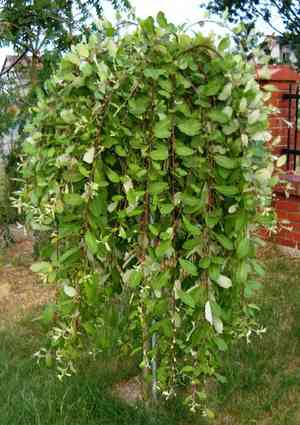
Goat willow presents a visually appealing collection of characteristics that transform throughout the year.
2
Incorporating Goat willow into your garden aids local fauna and provides environmental advantages.
3
Goat willow fits effortlessly into both classic and modern garden aesthetics.
Appreciating the Visual Charm of Goat Willow
Highlighting Goat Willow's Distinctive Characteristics
For enhancing landscape aesthetics, Goat willow stands out due to its unique attributes. The plant is defined by its uniquely shaped leaves and catkins, which add texture and visual appeal to any garden. Its bark, with its smooth and often twisted appearance, provides a rustic allure that can elevate the overall look of your landscape.
Seasonal Transformations and Visual Impact
One of the most captivating aspects of Goat willow is its dynamic seasonal shifts. In spring, it bursts forth with vibrant catkins, while summer brings lush, green foliage. Autumn sees a transformation with its leaves turning into rich hues, and even in winter, Goat willow offers visual interest with its intricate branch structure and frost-kissed bark.
Color Scheme: How Goat Willow Complements Other Plants
Goat willow offers a versatile color palette that can easily harmonize with a variety of other plants. Its leaves and catkins can blend with the colors of perennial flowers, shrubs, and trees, making it a flexible addition to any garden. Whether used as a standalone feature or part of a mixed border, the subtle tones of Goat willow enhance the overall color scheme of your landscape.
Practical Advantages of Incorporating Goat Willow in Your Landscape
Natural Environment: Supporting Local Wildlife
Goat willow offers immense ecological benefits, supporting local wildlife. Its foliage and catkins provide sustenance for various insects, while its branches offer nesting sites for birds. By integrating Goat willow into your landscape, you create a small ecosystem that fosters biodiversity and supports the local environment.
Growth and Upkeep: What to Expect
Goat willow is known for its vigorous growth and relatively low maintenance needs. It thrives in various soil types and can withstand different weather conditions, making it a robust choice for any garden. Regular pruning helps maintain its form and encourages new growth, while its resilience means it can flourish with minimal intervention.
Integrating Goat Willow into Various Landscape Styles
Traditional Garden Designs
Goat willow fits seamlessly into traditional garden layouts. Its classic appearance complements cottage gardens, offering a touch of nostalgia with its rustic charm. Planting Goat willow alongside heritage roses, lavender, and other traditional plants creates a cohesive and timeless garden aesthetic.
Goat Willow in Contemporary Designs
In contemporary garden designs, Goat willow can be used to introduce an organic, natural element. Its unique features and seasonal changes provide a dynamic and ever-evolving focal point. Pair Goat willow with sleek, modern elements such as metal sculptures or minimalist water features to achieve a balanced and harmonious design.
Small Spaces and Goat Willow: Maximizing Limited Areas
Goat willow is an excellent choice for small gardens or urban spaces. Given its adaptable growth habits and manageable size, it can be planted in containers or small yard areas. Its year-round interest ensures that even limited spaces can be transformed into vibrant and attractive landscapes.
Seasonal Care Advice for Goat Willow in Landscaping
Spring Preparation and Maintenance
Spring is the ideal time to focus on Goat willow's care. Begin by pruning any dead or damaged branches to encourage healthy new growth. Applying a balanced fertilizer will provide the necessary nutrients for a robust growing season. Additionally, ensure that the soil remains moist but well-drained to promote healthy root development.
Managing Goat Willow During Harsh Winters
Goat willow is relatively hardy, but taking some precautions during harsh winters can help it endure the cold. Mulching around the base helps protect the roots from frost, and occasional watering during dry winter spells can prevent dehydration. Checking for any winter damage as the season progresses ensures that Goat willow remains healthy and ready to thrive when spring arrives.



