Enhancing Your Garden Design with the Sugarcane plume grass Plant: A Landscaping Guide
1
Sugarcane plume grass is an easy-care plant capable of flourishing in diverse environmental conditions.
2
Incorporating Sugarcane plume grass into your landscape plan enhances its beauty and adaptability.
3
Seasonal factors should be considered to maintain Sugarcane plume grass's well-being year-round.
Why Opt for Sugarcane Plume Grass in Your Landscape?
Effortless Beauty
A primary reason to select Sugarcane plume grass for your outdoor area is its low-maintenance appeal. Unlike many plants needing constant trimming, watering, and pest management, Sugarcane plume grass flourishes with minimal intervention. This makes it perfect for busy homeowners or those preferring a less hands-on gardening approach. Its robust nature ensures a lush, attractive garden without continuous upkeep.
Adaptability to Diverse Climates
Sugarcane plume grass shows remarkable resilience across various climates, making it a versatile choice for gardeners in different regions. Whether you reside in a humid subtropical zone or a temperate area, Sugarcane plume grass can adjust and thrive. This adaptability not only keeps your landscape vibrant year-round but also lessens the chance of climate-induced plant stress.
Aesthetic Appeal and Flexibility
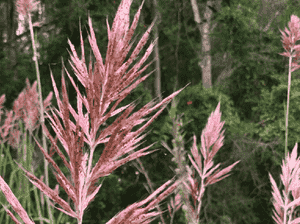
With its towering, graceful plumes and sturdy stalks, Sugarcane plume grass significantly enhances any garden's visual appeal. Its adaptable look suits various landscaping styles, from modern minimalist designs to more traditional gardens. The elegant sway of its plumes in the breeze adds a dynamic element to your outdoor space, fostering a tranquil and picturesque setting.
Integrating Sugarcane Plume Grass into Your Garden Design
Selecting the Optimal Spot
To maximize the impact of Sugarcane plume grass in your garden, choosing the right location is vital. It prefers well-drained soil and ample sunlight, so position it where it receives at least 6 to 8 hours of direct sun daily. Also, ensure the spot allows for good air circulation to prevent fungal issues.
Pairing Sugarcane Plume Grass with Other Plants
Combining Sugarcane plume grass with other plants can boost your garden's visual charm. Consider planting it alongside shorter, ground-covering plants that contrast its height, such as colorful perennials or low-growing shrubs. This layering can add depth and interest to your landscape.
Achieving Textural Contrast
Creating textural contrast is another effective method to incorporate Sugarcane plume grass into your garden. Pairing it with plants that have distinct leaf shapes and textures can make each plant stand out. For instance, combining Sugarcane plume grass with broad-leafed plants or succulents can create a visually striking contrast, highlighting each plant's unique features.
Balancing Height and Proportion
Achieving a balance between the height and scale of Sugarcane plume grass and other garden elements is crucial for a harmonious look. Given its considerable height, it can serve as a focal point or backdrop in your landscape design. Surround it with medium-sized plants and ground covers for a balanced and unified appearance.
Seasonal Considerations for Sugarcane Plume Grass
Preparing for Spring Growth
As spring temperatures rise, it's essential to prepare Sugarcane plume grass for its active growth period. Begin by trimming any dead or damaged foliage to encourage new shoots. Applying a layer of mulch around the base can help retain moisture and suppress weeds, giving the grass the best possible start to the growing season.
Summer Care and Upkeep
During the summer months, Sugarcane plume grass will likely need minimal attention. Ensure it gets sufficient water, especially during extended dry periods. However, be careful not to overwater, as it prefers well-drained soil. Regularly check for any signs of pests or diseases and address them promptly to maintain plant health.
Winter Protection Strategies
In winter, Sugarcane plume grass might require some protection, particularly in areas with severe cold. Applying a thick layer of mulch around the base can insulate the roots from freezing temperatures. In regions prone to heavy snowfall, consider tying the foliage together to prevent breakage from snow weight.
Common Landscaping Issues with Sugarcane Plume Grass and Solutions
Managing Rapid Expansion
One challenge of cultivating Sugarcane plume grass is controlling its quick growth. Regular pruning helps keep the plant within your desired size and form. If it becomes too dense, consider dividing the clumps every few years to maintain a neat and tidy appearance.
Addressing Pests and Diseases
While Sugarcane plume grass is fairly resistant to pests and diseases, it's not entirely immune. Regularly inspect the plant for signs of issues like aphids or fungal infections. Using organic pest control methods and ensuring good air circulation can help mitigate these problems.
Frequent Irrigation Requirements
Another challenge is the frequent watering needs of Sugarcane plume grass. To address this, consider installing a drip irrigation system that provides consistent moisture without overwatering. Additionally, mulching can help retain soil moisture, reducing the frequency of irrigation.
Design Inspirations Using Sugarcane Plume Grass
Contemporary Garden Styles
For a contemporary garden aesthetic, consider planting Sugarcane plume grass in sleek, minimalist containers or as part of a linear garden bed. Its tall, structured form complements modern architectural lines and can create a striking focal point in your outdoor space.
Rustic Farmhouse Backyards
Sugarcane plume grass can also enhance a rustic farmhouse backyard. Plant it in clusters along a fence line or mixed with wildflowers for a charming, country-inspired look. Its natural beauty blends seamlessly with the relaxed, informal aesthetic of farmhouse gardens.
Urban Green Spaces
In urban environments, Sugarcane plume grass can introduce a touch of nature to small green spaces or rooftop gardens. Its height and volume can create privacy screens or windbreaks, adding functionality and beauty to compact urban settings. Pairing it with container plants or vertical gardens can maximize the use of limited space.



