Enhancing Your Garden Design with the Heartwing Sorrel Plant: A Landscaping Guide
1
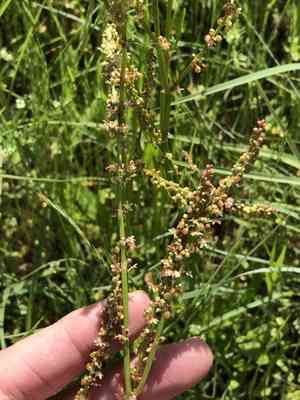
Heartwing Sorrel offers a distinct aesthetic charm due to its cordate foliage.
2
Optimal positioning of Heartwing Sorrel supports its growth and improves garden beauty.
3
Intercropping with Heartwing Sorrel can foster a wider variety of life in your garden.
Introducing Heartwing Sorrel: A Distinctive Option for Your Garden
What makes Heartwing Sorrel a remarkable addition to garden designs?
Heartwing Sorrel offers a unique flair to any garden, primarily due to its characteristic heart-shaped foliage and vivid hues. This plant can act as a focal point or complement other garden elements, enriching your landscape's variety. Its capacity to thrive in diverse soil conditions while maintaining a striking appearance makes it an excellent choice for both new and seasoned gardeners aiming to infuse a special character into their outdoor areas.
Exploring the visual charm of Heartwing Sorrel
A primary reason to integrate Heartwing Sorrel into your garden is its aesthetic appeal. The heart-shaped leaves of Heartwing Sorrel can vary from green tones to deep reds, creating a visually stimulating display. This plant's distinctive foliage works well in various garden settings, from formal flower beds to natural wildflower meadows. By introducing Heartwing Sorrel into your landscape, you will enhance both the texture and color palette of your garden.
Selecting the Optimal Location for Heartwing Sorrel
Considerations for positioning Heartwing Sorrel in your garden
Choosing the correct spot for Heartwing Sorrel in your garden is vital for its flourishing. Evaluate factors such as soil composition, drainage, and exposure to environmental elements. Heartwing Sorrel thrives in soil that drains well and can tolerate a range of pH levels. Furthermore, placing Heartwing Sorrel where it can be easily seen and appreciated will maximize its visual effect. Consider situating it near paths or seating areas where its unique qualities can be fully enjoyed.
Sunlight and shade requirements for peak growth
Heartwing Sorrel needs a balance of sunlight and shade to grow optimally. Ideally, it should be planted in an area that receives full sun to partial shade. Too much shade can diminish its vitality, while excessive sun exposure can lead to leaf burn. Comprehending and providing the appropriate light conditions will ensure Heartwing Sorrel flourishes, maintaining its vibrant look and positively contributing to your landscape.
Companion Planting with Heartwing Sorrel
Choosing suitable plants that complement Heartwing Sorrel
Companion planting is a strategic method to boost your garden's health and beauty. When selecting companions for Heartwing Sorrel, seek plants that share similar cultivation needs. Examples include other perennials that thrive in well-drained soil and partial sun. Plants with contrasting foliage textures and colors can also complement Heartwing Sorrel's unique appearance, fostering a harmonious and diverse garden design.
Advantages of companion planting for biodiversity
Companion planting with Heartwing Sorrel not only enhances visual appeal but also promotes biodiversity. Introducing various plants reduces the risk of pests and diseases while supporting a range of wildlife. This approach cultivates a more resilient garden ecosystem, where beneficial insects, birds, and other wildlife can thrive. By pairing Heartwing Sorrel with appropriate companions, you contribute to a healthier and more sustainable garden environment.
Seasonal Considerations for Heartwing Sorrel
Understanding the growth cycle of Heartwing Sorrel
Awareness of Heartwing Sorrel's growth cycle is crucial for effective planning. Typically, Heartwing Sorrel experiences a growth period from spring to fall, with the most vigorous growth occurring in spring and early summer. As seasons change, so do its care requirements. Recognizing these cycles will help you perform timely interventions, ensuring Heartwing Sorrel remains a vibrant part of your landscape throughout the year.
Preparing your landscape for various seasons
Seasonal shifts necessitate different gardening approaches. In spring, focus on planting and initial growth care, such as watering and mulching. Summer might require periodic watering adjustments and protection from intense heat. Fall is the time to ready Heartwing Sorrel for winter, possibly by pruning and ensuring soil protection. Each season presents distinct challenges and opportunities to enhance Heartwing Sorrel's contribution to your landscape.
Maintaining the Aesthetic Appeal of Heartwing Sorrel
Regular care tips to keep Heartwing Sorrel looking its best
Maintaining Heartwing Sorrel involves routine gardening practices such as watering, mulching, and occasional feeding. Ensuring the soil remains well-drained is vital to prevent root rot. Periodic pruning helps in maintaining its shape and removing any damaged leaves, thereby keeping Heartwing Sorrel looking fresh and vibrant. Consistent care routines will not only sustain Heartwing Sorrel's health but also its aesthetic appeal.
Managing natural growth patterns to enhance visual impact
Understanding and managing Heartwing Sorrel's natural growth patterns can significantly boost its visual impact. Regular pruning encourages new growth and helps maintain a desirable shape. Additionally, allowing some room for natural spread can add a touch of wildness to your garden. By skillfully managing these growth patterns, you can ensure Heartwing Sorrel remains a captivating and well-integrated element of your landscape design.



