Enhancing Your Garden Design with the Mexican petunia Plant: A Landscaping Guide
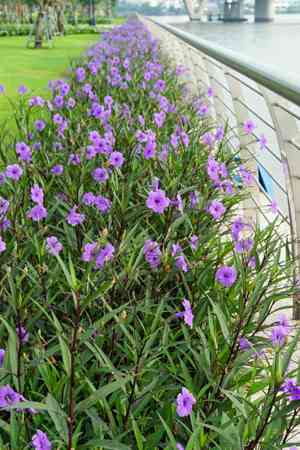
1
Grasping the traits of Mexican petunia is vital for its successful application in your garden design.
2
Pairing Mexican petunia with suitable companion plants can achieve a balanced garden appearance.
3
Regular upkeep throughout the year is essential for maintaining a lively and flourishing landscape.
Introducing Mexican Petunia in Garden Design
Overview of Mexican petunia's features that enhance garden beauty
Recognized for its vivid purple-blue blossoms and rich green leaves, Mexican petunia is a plant that injects a lively burst of color into any outdoor space. As a perennial, it returns annually, offering consistent allure. Reaching approximately three feet in height, it can generate impressive visual appeal. A key characteristic of Mexican petunia is its resilience to various environmental conditions, making it a versatile option for diverse garden styles and locales.
Various garden styles suitable for incorporating Mexican petunia
Whether you prefer a structured garden layout or a more relaxed, cottage-style setting, Mexican petunia can integrate seamlessly. In formal landscapes, this plant can be utilized to establish crisp lines and defined borders. In less formal environments, its wild-flower-like appearance adds a touch of casual sophistication. Other possibilities include employing Mexican petunia in tropical or Mediterranean-themed gardens, where its vibrant hue can complement other exotic flora.
Designing Your Garden with Mexican Petunia
Evaluating the garden area and environmental factors
Prior to planting Mexican petunia, it's crucial to assess your garden space and comprehend the specific environmental conditions. This plant flourishes in areas with full sun to partial shade and can endure various soil types, though it favors moist, well-drained soil. Consider the garden's arrangement, areas receiving the most sunlight, and spots that might remain shaded for much of the day. This evaluation will help determine the optimal placement for Mexican petunia to ensure its prosperity.
Developing a unified design theme using Mexican petunia
Once you've assessed your space, the next step is to craft a cohesive design theme that smoothly incorporates Mexican petunia. Envision the overall aesthetic you wish to achieve. Mexican petunia performs well as a border plant, in mixed beds, or even in pots. To create a unified look, plan where each plant will go, ensuring that the colors, shapes, and sizes of your plantings harmonize. For instance, pair Mexican petunia with other plants that have similar watering needs and growth habits for a balanced garden design.
Integrating Mexican Petunia with Other Plants
Choosing companion plants that thrive alongside Mexican petunia
Companion planting is a vital concept when designing any landscape. To maximize Mexican petunia's beauty, select companion plants with similar growth requirements. Good companions include ornamental grasses, lantanas, and salvias, which also enjoy comparable sunlight and soil conditions. These combinations not only enhance the garden's appearance but also foster a more resilient and sustainable ecosystem, as the plants support each other's development.
Understanding color and texture combinations
Combining plants in your garden is an art that demands an understanding of color and texture. Mexican petunia's vivid purple flowers and slender, lance-shaped leaves offer a unique texture that can be complemented by a variety of other plants. Consider plants with contrasting leaf shapes or colors to generate visual interest. For example, pairing Mexican petunia with plants that have broad, dark green leaves can make its colors stand out, while mixing in plants with softer textures, like ferns, can add depth to the design.
Maintaining Mexican Petunia in Your Garden
Essential care tips for Mexican petunia in gardens
Maintaining Mexican petunia involves a few straightforward steps that will keep it looking its best. Consistent watering, especially during dry periods, is critical. However, be wary of overwatering as Mexican petunia prefers moist but well-drained soil. Pruning is necessary to encourage growth and remove any dead or diseased foliage. Fertilize the plant during its active growth phase with a balanced fertilizer to promote healthy blooms and leaves.
Seasonal considerations for garden upkeep
Seasonal changes bring different maintenance tasks. In spring, clear away any dead leaves or stems from winter and check the soil's moisture level to ensure it's ready for the growing season. Summer necessitates regular watering and pest monitoring. In fall, deadhead the flowers to encourage more blooms and prepare the plant for dormancy. During winter, ensure the soil remains adequately moist, and if you're in a region with harsher winters, consider mulching to protect the roots.
Creative Design Concepts with Mexican Petunia
Incorporating Mexican petunia into contemporary garden designs
Modern garden designs often emphasize minimalism and clean lines, and Mexican petunia can fit beautifully into this aesthetic. Consider using Mexican petunia in geometric planting patterns or as part of a monochromatic color scheme. Its bold color can serve as a striking contrast to hardscape elements such as stone pathways or metal garden art. The key is to use Mexican petunia in a way that complements the sleek and simplified look of modern gardens.
Creating focal points with Mexican petunia in garden areas
Establishing focal points in your garden can attract attention and create a sense of structure and order. Utilize Mexican petunia as a central feature in a garden bed or as a striking accent in a mixed-plant container. Group several Mexican petunia plants together to form a dense, colorful display, or place a single plant in a prominent position where it can stand out. The vibrant flowers of Mexican petunia naturally draw the eye and can serve as a visual anchor around which to build the rest of your garden design.



