Enhancing Your Garden Design with the Brown-eyed susan Plant: A Landscaping Guide
1
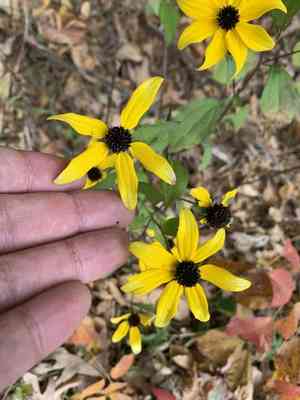
Brown-eyed susan is recognized for its effortless blending with other flora, making it an excellent inclusion in any garden.
2
Selecting the appropriate location and companion plants can greatly improve your garden's visual appeal with Brown-eyed susan.
3
Brown-eyed susan contributes not only beauty but also aids local biodiversity and ecosystems, fostering a more sustainable garden.
Why Select Brown-eyed Susan for Your Landscape?
Effortless blending with other flora
A key reason to choose Brown-eyed Susan for your outdoor space is its remarkable capacity to integrate seamlessly with other plants. Whether you have a perennial bed, a wild meadow, or even a modern minimalist design, Brown-eyed Susan can elevate the overall visual appeal. Its vibrant and sturdy nature allows it to flourish alongside diverse species, fostering a harmonious garden environment.
Consistent seasonal color and visual appeal
Brown-eyed Susan is renowned for offering continuous color and aesthetic interest throughout the season. From late summer into autumn, it produces abundant blooms that capture attention, making it a valuable element in sustaining garden beauty. Its flowers range from bright yellows to rich golden tones, ensuring your garden remains lively for extended periods.
Attracting pollinators to your outdoor space
Brown-eyed Susan acts as a magnet for pollinators such as bees, butterflies, and birds. This not only enhances your garden's beauty but also significantly contributes to the local ecosystem. By cultivating Brown-eyed Susan, you encourage a healthy pollinator population, which plays a vital role in the pollination of many plants, including food crops.
Durability and adaptability to various conditions
One of Brown-eyed Susan's prominent features is its resilience and versatility. It can thrive in a variety of soil types and environmental circumstances, making it a low-maintenance option for gardeners. Whether facing drought, differing soil pH, or partial shade, Brown-eyed Susan continues to flourish, providing consistent beauty without requiring extensive care.
Integrating Brown-eyed Susan into Your Garden Scheme
Selecting the ideal location for Brown-eyed Susan
Deciding on the planting spot for Brown-eyed Susan is vital for its success. Ideally, choose an area that receives full sun to partial shade. Ensure the soil drains well to prevent waterlogging, which can harm the plant's roots. Also, consider locations where you wish to introduce bold color and lively texture.
Companion plants that complement Brown-eyed Susan
To enhance your garden's visual charm, pair Brown-eyed Susan with complementary plants. Consider combining it with other native perennials like Coneflowers or Asters. These plants not only share similar growth habits and soil preferences, but their contrasting colors and forms can create a striking display.
Creating color contrasts and varied textures
Incorporate Brown-eyed Susan into your garden to establish rich color contrasts and diverse textures. The vibrant yellow blossoms of Brown-eyed Susan can be juxtaposed with deep purples and blues of other flowers. Additionally, its coarse-textured foliage can be balanced with plants that have fine or fern-like leaves, adding depth and interest to your garden.
Height considerations for balanced garden aesthetics
Brown-eyed Susan typically reaches a height of 2 to 5 feet, so plan accordingly to maintain a balanced visual. Position taller plants like Brown-eyed Susan towards the rear of garden beds or as central focal points in island gardens. This ensures lower-growing plants are not overshadowed and each plant group can thrive and showcase their beauty.
Seasonal Care for Brown-eyed Susan
Optimal planting times for best Brown-eyed Susan growth
For peak growth, plant Brown-eyed Susan in early spring or early fall. These periods allow the plant to establish its root system before the extreme temperatures of summer or winter. Planting during these times ensures a strong, healthy foundation for continuous growth and blooming.
Preparing for the flowering period
To get ready for the blooming season, ensure your Brown-eyed Susan plants are adequately watered and mulched. Regular irrigation helps maintain soil moisture, while mulch conserves water and suppresses weeds. Additionally, a balanced fertilizer can support vigorous growth and abundant flowering.
End-of-season maintenance advice
End-of-season care is crucial for Brown-eyed Susan's return performance. After the flowering period, trim back the stems to neaten your garden. Consider leaving some seed heads if you desire natural reseeding or to provide food for birds during winter. Adding compost to the soil can also improve soil health for the next growing season.
Environmental Impact and Advantages of Brown-eyed Susan
Contributing to local biological diversity
Cultivating Brown-eyed Susan helps boost local biodiversity. This native plant integrates smoothly into local ecosystems, supporting a range of wildlife. By adding Brown-eyed Susan to your garden, you create a habitat for various insects and animals, fostering a richer, more diverse environment.
Supporting local fauna and ecological systems
The presence of Brown-eyed Susan supports local wildlife and ecosystems by offering food and shelter. Butterflies, bees, and birds depend on Brown-eyed Susan for nectar, pollen, and seeds. This, in turn, supports the broader ecosystem by ensuring these vital pollinators and birds continue to flourish.
Sustainability aspects of utilizing native plants like Brown-eyed Susan
Using native plants such as Brown-eyed Susan in your garden is an eco-friendly choice. Native plants are well-adapted to the local climate and soil conditions, reducing the need for chemical fertilizers and excessive watering. They also play a critical role in maintaining ecological balance and supporting native wildlife.



