Enhancing Your Garden Design with the Climbing rose Plant: A Landscaping Guide
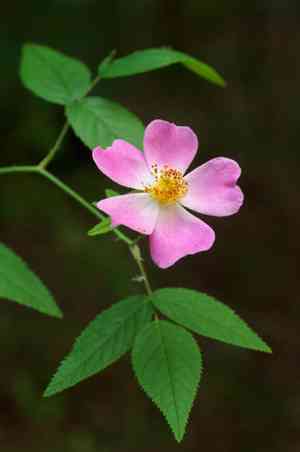
1
Climbing rose flourishes with moderate to ample sunlight, needing a spot that gets a minimum of four hours of direct sun each day.
2
Its vining habit makes Climbing rose ideal for training on supports like trellises, fences, or pergolas, enhancing your garden's vertical appeal.
3
Consistent seasonal maintenance, such as trimming and applying mulch, guarantees Climbing rose stays robust and lively throughout the year.
Introducing Climbing Roses in Landscape Design
Overview of Climbing Rose's Features and Appeal
Climbing roses are an outstanding addition to any garden, thanks to their strong climbing habit and the splendor they bring. With their rich green leaves, vibrant flowers, and sweet scent, climbing roses infuse any outdoor area with grace and romance. Whether draped over a garden arch or ascending a trellis, their natural ability to create vertical interest is unparalleled. The blossoms, typically bright and plentiful, can transform an ordinary landscape into a picturesque sanctuary, making climbing roses a favorite among gardening enthusiasts.
The Role of Climbing Roses in Outdoor Aesthetics
The visual charm of climbing roses extends beyond their flowers. Their climbing nature allows for unique landscape designs, helping to soften rigid structures like fences, walls, and arbors. By adding vertical dimension, climbing roses can break up the monotony of flat areas and draw the eye upwards, creating a dynamic and layered visual experience. Their adaptability means they can be trained in various ways, from spreading across a flower bed to cascading down a pillar, each creating a lush, romantic atmosphere difficult to achieve with other plants.
Designing with Climbing Roses: Methods and Advice
Selecting the Optimal Site for Climbing Roses
Choosing the perfect spot for climbing roses is vital for their development and visual impact. Aim for an area that receives at least four hours of direct sunlight daily, ensuring the plant gets sufficient light to flourish. Well-draining soil is also crucial to prevent root rot. Positioning climbing roses near structures like trellises, pergolas, or fences allows them to climb and spread effectively. Consider the plant's eventual size and ensure there's ample room for it to grow and display its full beauty without being confined.
Pairing Climbing Roses with Other Plants
To create a visually appealing and diverse garden, combine climbing roses with complementary plants. Consider pairing them with perennials that bloom at different times to ensure continuous color throughout the season. Groundcovers or low-growing shrubs can fill in spaces at the base, providing a harmonious multi-level effect. Also, think about companion plants that attract beneficial insects or deter pests, enhancing the overall health of your garden. The contrasting textures and colors can highlight climbing rose's stunning flowers and lush foliage.
Utilizing Climbing Roses as Focal Points or Background Elements
Depending on your garden design, climbing roses can serve as a striking focal point or a complementary background plant. When used as a focal point, their impressive blooms and vertical growth can anchor garden beds and draw attention to specific areas. For a more unified look, use climbing roses as a backdrop to other plants, allowing them to provide a lush green canvas against which other plants can shine. Either way, climbing rose's versatility ensures it enhances your landscape's aesthetic appeal, whether taking center stage or playing a supporting role.
Seasonal Considerations for Climbing Roses
Best Times of Year for Planting Climbing Roses
The ideal time to plant climbing roses is during the cooler months of spring or fall. These seasons offer the perfect conditions for the plant to establish its root system before the stress of extreme weather sets in. Early spring planting allows climbing roses to benefit from warming soil and increasing daylight, while fall planting benefits from cooler temperatures and more frequent rain, reducing the need for extra watering. Avoid planting during the heat of summer or the cold of winter, as these extremes can hinder the plant's establishment.
Preparing Climbing Roses for Different Seasons
Seasonal care for climbing roses ensures their health and beauty year-round. In spring, pruning helps encourage new growth and remove any dead or damaged branches. Summer requires consistent watering, especially during dry spells, to keep the soil moist but not waterlogged. As fall approaches, applying a layer of mulch can help retain moisture and protect the roots from the cold. Winter preparations might include additional mulching and covering the base with horticultural fleece in regions with severe frost. By attending to seasonal needs, you ensure that climbing roses remain a vibrant part of your landscape.
Benefits of Incorporating Climbing Roses in Your Garden
Boosting Biodiversity with Climbing Roses
Climbing roses play a significant role in supporting garden biodiversity. Their flowers provide nectar and pollen, attracting pollinators like bees and butterflies, essential for maintaining a healthy ecosystem. The dense foliage offers shelter for various beneficial insects and contributes to the habitat diversity that supports a wider range of wildlife. By including climbing roses in your garden, you create a more vibrant and dynamic environment that fosters ecological balance and promotes natural pest control.
Aesthetic and Emotional Advantages
The aesthetic appeal of climbing roses extends beyond their physical beauty. Their presence in the garden can evoke feelings of tranquility and joy. The sight of their delicate, fragrant blooms can uplift spirits and provide a serene escape from daily stresses. Gardens infused with climbing roses often become favorite relaxation spots, perfect for unwinding and enjoying nature's beauty. Additionally, the act of tending to and caring for climbing roses can be therapeutic, offering a sense of accomplishment and a deeper connection to the natural world.
Maintenance Advice for Climbing Roses in Landscapes
Basic Upkeep Practices
Maintaining climbing roses involves a few straightforward practices. Regular watering during dry periods ensures that the soil remains adequately moist. Pruning, typically done in early spring, helps remove old or damaged branches and encourages vigorous new growth. Applying a balanced fertilizer in the growing season can also promote lush foliage and abundant blooms. Keeping an eye out for common pests and diseases and addressing them promptly can maintain the plant's health and vitality. Regular checks and care can ensure that climbing roses remain a thriving and beautiful part of your garden.
Addressing Common Issues
Like all plants, climbing roses can face certain challenges. Common issues include aphids, black spots, and powdery mildew. These can usually be managed with appropriate organic treatments or insecticides. Ensuring good air circulation by not overcrowding plants can prevent fungal diseases. Additionally, applying mulch around the base of climbing roses can conserve moisture and prevent weed growth, reducing competition for nutrients. By staying vigilant and taking proactive measures, you can keep climbing roses healthy and deal effectively with potential problems.



