Enhancing Your Garden Design with the Tea rose Plant: A Landscaping Guide
1
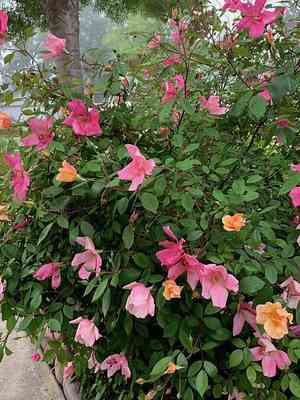
Tea roses enhance your garden with their lively and refined presence, boosting its beauty.
2
Strategic positioning of Tea roses optimizes their visual appeal and blends them with other garden features.
3
Consistent upkeep guarantees Tea roses flourish, offering enduring charm and advantages.
Introducing Tea rose to Your Garden
Understanding the Aesthetic Appeal of Tea rose
The visual charm of Tea rose stems from its beautifully formed petals and vivid hues. These attributes make it a prominent feature in any garden, whether your landscape design is contemporary or classic. The graceful look of Tea rose can act as a central point, attracting attention and admiration. When positioned thoughtfully, Tea rose can generate visual interest and add depth, enhancing your outdoor space's overall allure.
Choosing the Right Location for Tea rose in Your Landscape
Selecting the ideal spot for Tea rose in your garden is vital for its health and visual impact. Tea rose flourishes in areas receiving ample sunlight, ideally six to eight hours daily. This placement not only supports its development but also ensures its blossoms are vibrant and abundant. Avoid situating Tea rose in excessively shaded spots, as this can impede its ability to thrive. Also, consider soil quality; well-drained soil will prevent waterlogging and encourage robust root growth.
Combining Tea rose with Other Plants for a Cohesive Look
To achieve a unified and harmonious landscape, pair Tea rose with complementary plants that enhance its beauty. Consider combining Tea rose with plants featuring contrasting textures and colors. For instance, the delicate blooms of Tea rose blend well with ornamental grasses or perennials with bold foliage. This contrast can create a visually engaging garden while ensuring Tea rose remains the star. Additionally, using companion plants that attract beneficial insects can help maintain a healthy garden ecosystem.
Benefits of Tea rose in Landscaping
Enhancing the Color Palette of Your Garden
Tea rose can significantly enrich your garden's color scheme with its diverse range of shades. From soft pastels to intense tones, Tea rose offers a spectrum of colors that can complement any landscape design. By strategically planting Tea rose, you can create striking color contrasts or harmonious blends, making your garden a visual delight. The consistent blooming cycle of Tea rose ensures your garden stays colorful and lively throughout the growing season.
Contributing to Biodiversity with Tea rose
Incorporating Tea rose into your garden can boost local biodiversity. The flowers of Tea rose attract pollinators like bees, butterflies, and hummingbirds, which are crucial for your garden's and the surrounding environment's health. By supporting these pollinators, you promote the growth of other plants and ensure the sustainability of your garden's ecosystem. Furthermore, the presence of Tea rose can provide habitats for beneficial insects that help control garden pests.
Seasonal Considerations for Tea rose
When planning your garden, it's important to factor in the seasonal needs of Tea rose. This plant typically flowers from late spring to fall, depending on your climate. To ensure year-round appeal, consider integrating seasonal companions that will thrive when Tea rose is not in bloom. This approach guarantees a garden that remains attractive throughout the year, offering visual and ecological benefits regardless of the season.
Maintaining Tea rose for Long-Term Beauty
Basic Maintenance Tips for Tea rose
Caring for Tea rose is relatively simple with consistent attention. Regular watering, especially during dry periods, is crucial to keep the soil moist but not waterlogged. Pruning spent flowers encourages new growth and maintains the plant's form. It's also beneficial to fertilize Tea rose during the growing season with a balanced fertilizer to support abundant blooms. Monitoring for pests and diseases and acting early can prevent significant damage and ensure your plant's health.
Troubleshooting Common Issues in Tea rose
Even well-cared-for plants can encounter problems. Common issues with Tea rose include pests like aphids and diseases such as black spot and powdery mildew. Early detection is key. Regularly inspect your plants for signs of distress, such as discolored leaves or unusual spots. Organic solutions, like neem oil or insecticidal soap, can effectively manage pests, while proper spacing and air circulation help prevent fungal diseases.
Renewing and Refreshing Your Tea rose Annually
To keep Tea rose looking its best year after year, consider refreshing its surroundings annually. This can involve adding new mulch to help retain soil moisture and suppress weeds. Additionally, assess the plant's growth and consider transplanting if it outgrows its current spot or if soil quality declines over time. Refreshing nearby plants can also revitalize the overall garden design, ensuring a dynamic and appealing landscape.
Frequently Asked Questions About Landscaping with Tea rose
Can Tea rose Thrive in Shaded Areas?
While Tea rose prefers full sun, it can endure partial shade. However, limited sunlight may result in fewer blooms and reduced vigor. If you must plant Tea rose in a shaded area, ensure it receives at least four to six hours of sunlight for optimal growth.
How to Mix Tea rose with Annuals and Perennials?
Combining Tea rose with annuals and perennials can create a vibrant and dynamic garden. Choose plants with complementary bloom times to ensure continuous color. Annuals can provide infill and extended flowering periods, while perennials offer structure and repeat performances year after year. Ensure the plants have similar water and sunlight requirements for best results.
Is Tea rose Resistant to Local Pests and Diseases?
Tea rose has moderate resistance to pests and diseases, but susceptibility can vary based on local conditions. Regular monitoring and proactive care, such as proper watering and pruning, can minimize potential issues. It's also beneficial to select disease-resistant varieties if available.



