Enhancing Your Garden Design with the French rose Plant: A Landscaping Guide
1
The French rose offers historical importance and enduring charm to any outdoor space.
2
Strategic positioning and companion flora amplify the French rose's aesthetic impact.
3
Consistent care guarantees the French rose flourishes and stays vigorous throughout the year.
Why Select French Rose for Your Outdoor Space?
Historical Importance of French Rose in Garden Design
Gardeners have cherished French rose for centuries, not only for its beauty but also for its rich past in garden aesthetics. From ancient eras through the medieval period and into contemporary landscaping, French rose has symbolized grace and refinement. This plant frequently appeared in royal gardens and was later adopted in cottage gardens across Europe. Including French rose in your garden not only enhances its visual appeal but also connects you with a long heritage of horticultural artistry.
Aesthetic Charm and Color Varieties of French Rose
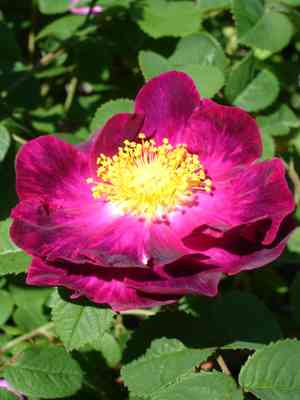
French rose is celebrated for its magnificent floral display, available in a range of hues that can complement any garden palette. From deep crimson to delicate pinks, these blossoms can create a striking visual impact. They are adaptable enough to fit into formal garden settings or more relaxed, rustic-style gardens. The visual interest French rose provides can transform an ordinary garden into a spectacular area.
Durability and Adaptability in Diverse Climates
One of the most compelling reasons to choose French rose for your landscape is its resilience and versatility. This plant can flourish in a wide array of climatic conditions, making it suitable for gardeners in various regions. Whether you reside in a cooler climate or an area with hot summers, French rose can adjust and thrive, provided it receives appropriate care.
Integrating French Rose into Your Landscape Layout
Choosing the Optimal Site for French Rose in Your Garden
Selecting the ideal spot for French rose is vital for its success in your garden. Ideally, French rose should be planted in a location that receives full sun to partial shade, ensuring sufficient light for optimal growth and blooming. Well-draining soil is crucial to prevent root decay and other issues. Consider the mature size of the plant to ensure it has ample room to grow without crowding nearby plants.
Companion Plants that Enhance French Rose's Beauty
Pairing French rose with complementary plants can amplify its natural allure. Plants like lavender, salvia, and catmint not only offer a beautiful color contrast but can also help deter pests that might otherwise target French rose. Additionally, these companion plants can contribute to a more biodiverse, visually pleasing garden arrangement.
Design Pointers for Crafting Striking Visual Effects with French Rose
Creating a remarkable landscape with French rose involves thoughtful design considerations. Plant French rose in clusters for mass color impact or as a focal point in a mixed border. The use of repetition and symmetry can enhance formal garden layouts, while informal arrangements can impart a whimsical, natural feel. The inclusion of garden structures like arbors or trellises can also highlight French rose and add architectural interest to your space.
Maintaining French Rose in Your Landscape
Seasonal Care Advice to Keep French Rose Flourishing
Seasonal care is essential for maintaining French rose's health and vibrancy. In spring, apply a balanced fertilizer to stimulate growth and flowering. During summer, maintain consistent watering while avoiding over-saturation. Fall is the time to mulch around the base to protect roots from winter frost. In winter, minimal care is needed, but ensure to check for any signs of disease or pests that may have overwintered.
Pruning Methods for Optimal Growth and Blooming
Pruning French rose is crucial for encouraging new growth and abundant flowering. Early spring is the best time for pruning, just before new growth commences. Remove dead or damaged wood, and thin out the interior to improve air circulation. This reduces the risk of disease and promotes stronger, healthier growth. Shaping the plant will also maintain its structure and enhance its overall appearance in your garden.
Common Issues and Solutions with French Rose in Landscaping
Addressing Common Pests and Diseases
French rose can be vulnerable to various pests and diseases, such as aphids, black spot, and powdery mildew. Regularly inspect your plants for any indications of these problems. Implementing organic or chemical treatments, depending on your preference, can help manage these issues. Additionally, ensuring good air circulation and proper watering techniques can prevent many common problems.
Weather-related Concerns and How to Safeguard French Rose
Weather can present various challenges for maintaining French rose in your landscape. Heavy rainfall can lead to root rot, while prolonged drought can stress the plant. Use mulch to retain soil moisture and protect roots from extreme temperatures. During severe weather events, cover the plant with protective material to shield it from potential harm. Being proactive with weather-related care ensures that French rose continues to thrive in your garden.



