Enhancing Your Garden Design with the Black locust Plant: A Landscaping Guide
1
Black locust provides distinct seasonal hue changes, boosting your garden's visual charm.
2
Strategic positioning of Black locust is vital to optimize its beauty and environmental advantages.
3
Regular upkeep and suitable seasonal attention ensure Black locust remains robust and lively in your outdoor space.
Appreciating the Distinctive Visual Charm of Black locust
Discovering the remarkable look of Black locust
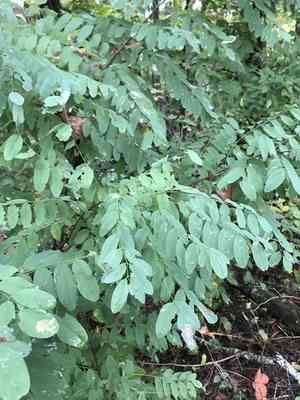
Black locust distinguishes itself in any garden with its unique and striking appearance. Defined by its deeply grooved bark and delicate, airy leaves, Black locust offers a pleasant contrast to more common garden flora. Its foliage is a soft, almost silvery green, providing a gentle texture that sways gracefully in the breeze, creating a dynamic and vibrant visual. The tree's blossoms, typically appearing in spring or early summer, are white clusters that hang like elegant pendants, adding a refined beauty to the scenery.
How does Black locust's changing seasonal hues enhance its visual appeal?
Black locust is more than just a single-season marvel. Its aesthetic charm evolves throughout the year, making it a versatile addition to your garden. In spring, the fresh green leaves and white flowers present a crisp, clean look. As summer progresses, the foliage deepens in color, forming a lush canopy that provides cool shade. By autumn, Black locust transforms again, with its leaves shifting to warm yellow tones, imbuing the garden with a golden radiance. These seasonal shifts keep the landscape engaging and lively, ensuring there's always something new to admire.
Influence of mature height and canopy spread on garden dimensions
Black locust can grow quite tall, often reaching heights of up to 80 feet, with a canopy spread that can extend to about 30 feet. This substantial size makes it an excellent choice for providing shade and creating a focal point in large garden areas. The tree's wide canopy casts a broad shadow, making it ideal for planting near patios or seating areas to offer relief from the sun. Additionally, the mature height and expansive branches can help to create vertical interest in the garden, breaking up the visual monotony of shorter plants and adding depth to the landscape design.
The Role of Black locust in Supporting Garden Ecosystems
Advantages of Black locust in fostering local biodiversity
Black locust plays a vital role in supporting local biodiversity, serving as a sanctuary for various plant and animal species. Its flowers are particularly appealing to pollinators like bees and butterflies, offering a crucial food source during its blooming period. The tree also enhances soil health by fixing nitrogen, enriching the soil and promoting healthier plant growth in the surrounding area. By integrating Black locust into your garden, you contribute to a more balanced and diverse ecosystem, supporting the well-being of your local environment.
Attracting wildlife: Which species benefit from Black locust?
Black locust acts as a magnet for various wildlife species, boosting the ecological vibrancy of your garden. Birds, such as finches and woodpeckers, are often drawn to the tree, feeding on its seeds and finding refuge in its branches. Small mammals like squirrels may also frequent the tree, adding to the lively atmosphere of your garden. Even beneficial insects, such as ladybugs and spiders, find a home in Black locust, helping to control pest populations naturally. This attraction of diverse wildlife ensures that your garden is not only beautiful but also bustling with activity.
Selecting the Optimal Location for Black locust in Landscape Designs
Considerations for positioning Black locust in your garden
When deciding where to place Black locust in your garden, consider a few important factors to maximize its impact and ensure its health. Firstly, Black locust thrives in full sun to partial shade, so choose a spot that receives ample sunlight. Ensure there is enough space for the tree to grow to its full height and width without interfering with structures or other plants. Consider the soil quality and drainage, as Black locust prefers well-drained soil but can adapt to various soil types. Finally, think about its role in your garden's design â whether it will serve as a statement piece, a shade provider, or a background plant to accentuate other features.
Companion planting: What pairs well with Black locust?
Companion planting with Black locust can enhance both its beauty and ecological benefits. Plants that thrive in similar conditions and complement Black locust's appearance are ideal choices. Underplanting with shade-tolerant flowers or shrubs, such as hostas or azaleas, can create a lush, layered look. Ground covers like creeping thyme or vinca minor can help to protect the soil and add a carpet of color beneath the tree. Additionally, incorporating nitrogen-loving plants like legumes or comfrey can take advantage of the soil-enriching properties of Black locust, promoting a healthier garden ecosystem overall.
Caring for Black locust in Your Landscape: Essential Advice
Routine practices to maintain the health and beauty of Black locust
Maintaining Black locust involves several routine practices to keep the tree healthy and looking its best. Regular watering, especially during dry spells, is crucial for young trees. As the tree matures, it will become more drought-tolerant, but occasional deep watering can still be beneficial. Pruning is essential to maintain the tree's shape and remove any dead or diseased branches. Mulching around the base of the tree helps to retain moisture and suppress weeds. Fertilization may not be necessary due to the tree's nitrogen-fixing abilities, but occasional feeding with a balanced fertilizer can support growth.
Seasonal care routines for Black locust
Caring for Black locust involves some specific tasks depending on the season. In spring, check for any winter damage and prune as necessary to encourage new growth. Ensure the tree receives adequate water as it comes out of dormancy. During summer, regular watering and mulching help to protect the tree from heat stress. Autumn is the time to clean up fallen leaves and prepare the tree for winter by applying a layer of mulch to insulate the roots. In winter, it's important to monitor the tree for any signs of stress or damage from cold weather, and to provide protection such as burlap wraps if necessary.



