Enhancing Your Garden Design with the Staghorn sumac Plant: A Landscaping Guide
1
Staghorn sumac provides continuous aesthetic appeal through its varying seasonal hues.
2
Staghorn sumac is an outstanding choice for creating a natural barrier for seclusion.
3
Staghorn sumac aids in preventing soil degradation, offering both utility and beauty.
Introducing Staghorn Sumac in Garden Design
Understanding the Distinctive Visual Appeal of Staghorn Sumac
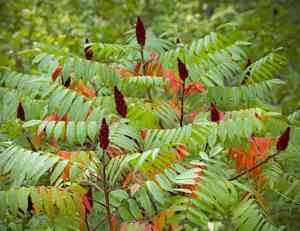
Staghorn sumac (Rhus typhina) is celebrated for its unique and striking look. Its branches grow in an antler-like fashion, which is the origin of its 'staghorn' moniker. These branches, along with its bright red berry clusters and delicate leaves, make Staghorn sumac a notable and attractive feature in any landscape. The plant's overall form adds a dynamic, almost sculptural element to gardens. Furthermore, its adaptability allows it to fit various garden styles, from contemporary and minimalist to rustic and wild.
Seasonal Transformations and Visual Interest with Staghorn Sumac
A key benefit of incorporating Staghorn sumac into your landscaping is its spectacular seasonal change. In spring and summer, Staghorn sumac displays lush green foliage, bringing a fresh and vibrant touch to your garden. As autumn approaches, the leaves transform into brilliant shades of red, orange, and yellow, creating a stunning visual spectacle. Winter reveals the plant's intricate branch structure, offering textural interest even during dormant months. This cycle ensures Staghorn sumac remains a focal point in your garden throughout the year.
Optimal Placement of Staghorn Sumac in Landscape Layouts
Evaluating the Best Spots for Staghorn Sumac in Your Garden
When considering where to place Staghorn sumac in your landscape, it's essential to assess available space and light conditions. Staghorn sumac thrives in full sun to partial shade and prefers well-drained soil. Planting it where it can spread naturally without encroaching on other plants is ideal. This consideration is especially important for smaller gardens. Positioning Staghorn sumac as a backdrop or an accent plant can enhance depth and dimension in your garden design. Additionally, planting it on slopes or erosion-prone areas can leverage its natural ability to stabilize soil.
How Staghorn Sumac Enhances Other Plants in Design
Staghorn sumac pairs beautifully with various other plants, making it a versatile choice for diverse garden compositions. For a cohesive look, consider combining Staghorn sumac with native shrubs and perennials that share similar light and soil needs. The feathery foliage of Staghorn sumac contrasts well with the broad leaves of hostas or the fine texture of ornamental grasses. Moreover, its bold fall colors can be accentuated by planting it alongside other autumn showstoppers like maples and burning bushes. This synergy not only adds visual interest but also fosters a healthy, biodiverse garden ecosystem.
Utilizing Staghorn Sumac for Practical Landscape Features
Privacy Screens and Natural Boundaries with Staghorn Sumac
One practical application of Staghorn sumac in landscaping is as a natural privacy screen. Its dense, multi-branched growth habit can effectively block views and create secluded garden areas. Planting Staghorn sumac in rows can form natural borders that separate garden sections or define property lines without the need for artificial barriers. This approach not only adds beauty but also promotes a sense of tranquility and privacy in your outdoor space. For a more informal look, consider grouping Staghorn sumac with other shrubs and small trees to create a mixed, layered screen.
Erosion Control and Landscape Stability Using Staghorn Sumac
Staghorn sumac is particularly effective in controlling soil erosion, thanks to its extensive root system. When planted on slopes or hillsides, Staghorn sumac helps to anchor the soil, reducing runoff and preventing erosion. This makes it an excellent choice for landscapes that experience heavy rainfall or have vulnerable soil conditions. In addition to its functional benefits, the plant's striking appearance adds aesthetic value to these challenging areas, transforming them into visually appealing garden features while enhancing the overall stability of your landscape.
Maximizing Autumn Appeal with Staghorn Sumac
Highlighting the Vivid Fall Colors of Staghorn Sumac
Autumn is when Staghorn sumac truly excels, with its foliage transforming into brilliant shades of red, orange, and yellow. To maximize this seasonal display, place Staghorn sumac in locations where its fall colors can be fully appreciated. Plant it near pathways, patios, or windows where you can enjoy the vibrant hues up close. Grouping several Staghorn sumac plants together can also create a stunning mass of color that becomes the focal point of your autumn garden. When planning your landscape, consider how the fall colors of Staghorn sumac can complement other plants, creating a harmonious and visually pleasing scene.
Pairing Staghorn Sumac with Complementary Fall Plants
To enhance the autumnal display, pair Staghorn sumac with other fall-blooming or foliage plants. Perennials like asters and chrysanthemums provide bursts of late-season color, while plants like ornamental kale and cabbage add interesting textures and shades. Trees and shrubs that change color in the fall, such as dogwoods and serviceberries, can complement Staghorn sumac's vibrant hues. By thoughtfully pairing Staghorn sumac with these plants, you can create a cohesive and dynamic fall landscape that highlights the beauty of the season from all angles.
Common Issues and Solutions When Landscaping with Staghorn Sumac
Addressing the Spreading Tendency of Staghorn Sumac
While Staghorn sumac is a beautiful and adaptable plant, it can spread aggressively in certain conditions. Its ability to rapidly colonize through suckering can pose a challenge in managed garden spaces. To keep Staghorn sumac in check, regularly monitor new growth and remove unwanted suckers. Installing root barriers can also help contain its spread. Additionally, consider planting Staghorn sumac in areas where its natural tendency to colonize can be an asset, such as wild or naturalized garden sections where it can grow freely without overwhelming other plants.
Managing the Growth and Spread of Staghorn Sumac
Effective management of Staghorn sumac involves regular pruning and selective thinning to control its size and spread. Pruning in late winter or early spring before new growth begins can help maintain the desired shape and prevent the plant from becoming too dominant. Mulching around the base of Staghorn sumac can suppress suckers and maintain soil moisture. By incorporating these practices into your garden maintenance routine, you can enjoy the beauty and benefits of Staghorn sumac without it overtaking your landscape.



