Enhancing Your Garden Design with the Flame azalea Plant: A Landscaping Guide
1
Flame azalea flourishes in soils that drain well and are acidic.
2
Flame azalea offers vivid hues from springtime through summer.
3
Regular trimming assists in preserving Flame azalea's form and vitality.
Introduction to Landscaping with Flame azalea
Why is Flame azalea a popular choice for garden design?
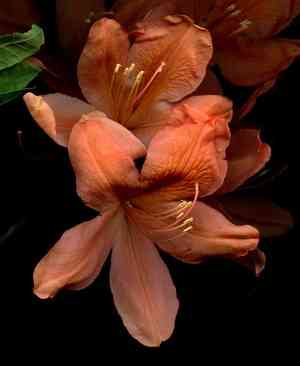
Flame azalea is well-known for its vivid, striking flowers and robust nature. This plant is particularly admired for its brilliant yellows, oranges, and reds, which can add a fiery touch to any garden. Gardeners value its adaptability to various landscape styles, from formal gardens to more natural settings. Moreover, Flame azalea's moderate size makes it suitable for a wide array of garden types, offering versatility that makes it a preferred option.
Overview of Flame azalea's visual impact in garden spaces
Visually, Flame azalea creates a stunning impression with its clusters of bright blossoms that primarily appear in spring and early summer. This blooming period adds a significant splash of color, making garden areas more vibrant and appealing. When integrated into garden beds and borders, it enhances aesthetic appeal by providing seasonal interest. The foliage also develops rich hues in autumn, ensuring year-round visual impact and maintaining garden beauty even as seasons change.
Selecting the Ideal Location for Flame azalea
Considering sunlight and shading needs
For optimal development, Flame azalea thrives best in spots receiving partial sun to light shade. While it can tolerate full sun, providing some shade during the day's hottest hours helps prevent leaf burn and keeps it looking its best. Aim to position Flame azalea in areas that get morning sun and afternoon shade to balance its light requirements. Achieving this balance ensures strong growth and a healthy, vibrant appearance throughout the growing season.
Understanding soil preferences for optimal growth
Flame azalea favors acidic, well-drained soils that mimic its natural environment. It's crucial to conduct a soil test before planting to determine pH levels and amend the soil if needed to achieve the acidity this plant thrives in. Incorporating organic matter like compost can enhance drainage and supply essential nutrients, fostering a healthy root system. Proper soil preparation is vital for ensuring Flame azalea remains healthy and vibrant, effectively contributing to your landscaping.
Incorporating Flame azalea into Your Garden Design
Complementary plant species for Flame azalea
To create a harmonious garden design, pair Flame azalea with plants that complement its vibrant colors. Species such as azaleas, rhododendrons, and mountain laurels work well due to their similar soil and light needs. These combinations offer diverse textures and seasonal blooms that enhance your garden's appeal. Additionally, integrating evergreens can provide a constant green backdrop, making Flame azalea's bright flowers stand out even more vividly.
Design tips for creating a cohesive look
When designing your garden, consider placement so that Flame azalea acts as a focal point. Group multiple Flame azalea plants together or blend them with other shrubs to create depth and layers within your garden. Pay attention to spacing to ensure each plant has ample room to grow without overcrowding. Using mulch around the base can help retain moisture and prevent weeds, also adding a refined look to the garden design. Incorporating garden features like paths or decorative stones can further enhance visual appeal.
Seasonal Considerations for Flame azalea
Best times of year for planting Flame azalea
The ideal time to plant Flame azalea is in early spring or fall when temperatures are cooler and rainfall is more common. These conditions allow the plant to establish roots without the stress of extreme heat. Planting in spring provides ample growing time before summer, while fall planting allows roots to develop over winter. Avoid planting during peak summer months as the heat can stress new plants and hinder successful establishment.
Preparing Flame azalea for changing seasons
As seasons shift, it's important to prepare Flame azalea appropriately to ensure its continued health and vibrancy. In autumn, reduce watering and allow the plant to enter its natural dormancy. Applying a layer of mulch can protect the roots from extreme cold. In spring, remove old mulch and add fresh compost to encourage new growth. Prune selectively after blooming to maintain shape and remove any dead or damaged branches. Regular maintenance ensures Flame azalea remains a standout feature in your garden year after year.
Maintaining the Aesthetic Appeal of Flame azalea
Routine checks and balances for healthy growth
Regular upkeep is crucial for keeping Flame azalea healthy and visually appealing. Periodically inspect the plant for signs of pests or diseases, such as discolored leaves or unusual growth patterns. Ensure the soil remains acidic and well-drained by regularly testing and adjusting as needed. Water consistently, especially during dry periods, but avoid overwatering which can lead to root rot. Incorporating these routine checks can help in catching and addressing issues early, promoting vigorous growth.
Addressing common visual issues
Despite being relatively easy to care for, Flame azalea can occasionally suffer from visual problems like leaf spot or powdery mildew. Addressing these issues promptly can prevent them from spreading. Remove affected leaves and apply an appropriate fungicide if necessary. Pruning helps not only in maintaining shape but also improving air circulation, which can reduce the risk of fungal problems. Keeping the plant healthy ensures it continues to be a stunning focal point in your garden.



