Enhancing Your Garden Design with the Sweet azalea Plant: A Landscaping Guide
1
Sweet azalea flourishes optimally in conditions ranging from partial shade to full sun, offering flexible garden positioning.
2
Provide Sweet azalea with soil that drains effectively and is acidic for optimal growth.
3
Sweet azalea offers continuous charm throughout the year through its aromatic blooms and appealing leaves.
Introducing Sweet Azalea in Garden Design
Defining the distinct visual characteristics of Sweet Azalea
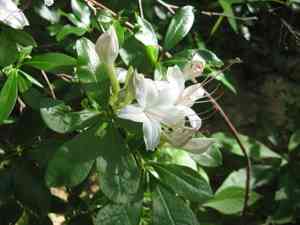
Sweet azalea is recognized for its remarkably beautiful blossoms and vivid green leaves, making it prominent in any garden. Its flowers are typically fragrant, adding an extra layer of sensory pleasure to your outdoor area. These plants often bloom in various hues, creating a visually appealing display that can complement or contrast with other garden elements. Whether used as a focal point or an accent, Sweet azalea's aesthetic qualities are sure to draw attention.
Exploring Sweet Azalea's popularity in contemporary landscape projects
Recently, Sweet azalea has become quite popular in modern landscaping due to its adaptability and minimal care requirements. Landscape designers and gardeners value Sweet azalea for its capacity to suit diverse garden styles, from traditional to modern. Furthermore, the plant's seasonal appeal and its transformation throughout the yearâfrom buds to full bloom and then to winter foliageâmake it a preferred choice for creating dynamic, year-round garden designs.
Selecting the Ideal Spot for Sweet Azalea
Evaluating light and shade needs for optimal development
To ensure Sweet azalea's healthy growth, understanding its requirements for sunlight and shade is vital. Sweet azalea flourishes in areas receiving partial shade to full sun, allowing it to adapt to various garden environments. It's best to avoid excessively shaded spots as they can hinder blooming, while too much direct sunlight might stress the plant. Ideally, position Sweet azalea where it gets morning sun and afternoon shade, achieving the perfect balance for peak health and flowering.
Advice for soil preparation and garden placement
Proper soil preparation is crucial for successful Sweet azalea cultivation. This plant prefers well-drained, acidic soil abundant in organic matter. Before planting, enrich the soil with compost or aged manure to boost its fertility and structure. When placing Sweet azalea in your garden, ensure ample airflow around it to prevent fungal problems. Planting on a slight slope or in raised beds can aid drainage, preventing roots from becoming waterlogged.
Designing with Sweet Azalea: Aesthetics and Practicalities
Integrating Sweet Azalea into various garden aesthetics
Sweet azalea is incredibly versatile and can be seamlessly incorporated into diverse garden styles. In a cottage garden, it offers a whimsical touch with its vibrant blooms. Conversely, in a contemporary landscape, Sweet azalea's structured form adds clean lines and a splash of color amidst minimalist designs. Feel free to experiment with placing Sweet azalea in different settings to discover where it truly excels in your garden.
Balancing hue, stature, and texture with other garden components
When designing with Sweet azalea, consider its interaction with surrounding elements in terms of color, height, and texture. Pair it with plants that have complementary or contrasting colors to create visual interest. Use the plant's height to add layers to your garden, placing shorter plants in front and taller ones behind. The texture of Sweet azalea's foliage and flowers can also complement other plants, forming a rich tapestry that keeps the eye engaged.
Seasonal appearance shifts and how to accommodate them
Sweet azalea provides a dynamic visual experience as it changes with the seasons. In spring and summer, the plant's blooms are the main attraction, while in fall and winter, its foliage offers a different kind of interest. To accommodate these changes, plan your garden layout so that other plants compensate for the periods when Sweet azalea is not in bloom. Include evergreens and late-blooming perennials to ensure your garden remains attractive throughout the year.
Companion Planting with Sweet Azalea
Choosing complementary plants for Sweet Azalea
Selecting the right companion plants for Sweet azalea can enhance its beauty and the overall appeal of your garden. Consider plants that thrive in similar conditions, such as ferns, hostas, and other shade-loving perennials. These companions can complement Sweet azaleaâs growth habits and blooming patterns, creating a harmonious and balanced garden space. Additionally, plants that attract beneficial insects can help improve the health and vitality of your Sweet azalea plantings.
Understanding the interplay between Sweet Azalea and nearby plants
Gardeners should be aware of the interactions between Sweet azalea and its neighboring plants. Some plants, if positioned too closely, can compete for nutrients, water, and light, potentially hindering Sweet azalea's growth. Conversely, certain companion plants can have a symbiotic relationship with Sweet azalea, improving soil quality and offering natural pest control. Regularly monitor your garden to ensure all plants are thriving and adjust spacing or plant types if necessary.
Care Guidelines for Enduring Sweet Azalea Success
Seasonal upkeep routines to maintain Sweet Azalea's vitality
To ensure Sweet azalea remains healthy and vibrant, establish a seasonal upkeep routine. In the spring, focus on feeding and mulching around the plant's base to retain moisture and suppress weeds. During the growing season, water regularly but avoid saturating the soil. Prune immediately after blooming to shape the plant and encourage vigorous growth. In the fall, clear fallen leaves and check for signs of pests or diseases.
Addressing common issues encountered with Sweet Azalea
While Sweet azalea is relatively low-maintenance, it can still face challenges such as pest infestations and fungal diseases. Common pests include aphids and lace bugs; manual removal or organic insecticides can manage these. Fungal issues often arise from poor air circulation or overly wet conditions, so proper spacing and watering practices are essential. If you notice any signs of disease, treat them promptly with appropriate fungicides to prevent spread and damage.



