Enhancing Your Garden Design with the Mistletoe cactus Plant: A Landscaping Guide
1
Rhipsalis is extremely adaptable and flourishes in diverse garden environments.
2
With appropriate attention, Rhipsalis can provide continuous aesthetic appeal.
3
Adding Rhipsalis to your outdoor space can offer both beauty and ecological advantages.
Introducing Mistletoe Cactus: A Distinctive Addition to Your Garden
Understanding the fundamental growth pattern of Mistletoe cactus
Mistletoe cactus is a captivating plant that can bring a touch of individuality to any garden. This epiphytic cactus flourishes in warm, humid conditions and is recognized for its sprawling growth habit. Unlike typical cacti, Mistletoe cactus lacks spines and tends to develop in elongated, branching forms that can gracefully cascade from hanging containers or drape over pot edges. This plant prefers indirect light and can be easily cultivated indoors or in protected outdoor areas. Its capacity to endure various light conditions makes it a versatile option for numerous gardening situations.
Visual characteristics: What makes Mistletoe cactus stand out
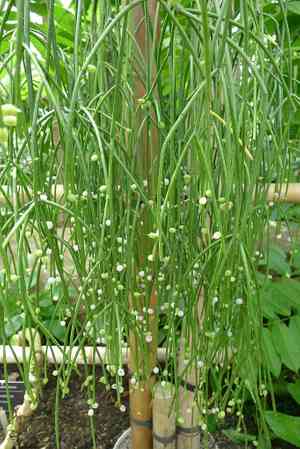
Mistletoe cactus possesses a unique look that distinguishes it from other plants. With its long, slender stems that can reach several feet in length, Mistletoe cactus creates a rich, green waterfall effect when grown in suspended baskets. The stems are cylindrical and may produce small, white berries, adding a textural element to its overall appearance. The smooth, spineless nature of Mistletoe cactus's stems makes it safe for households with pets or children. Its distinctive growth form and aesthetic charm make it a prominent feature in any garden, offering a refreshing change from common foliage.
Optimal Placement for Mistletoe Cactus in Your Landscape
Prime locations for both beauty and plant health
Selecting the ideal spot for Mistletoe cactus in your garden can boost both its vitality and the visual appeal of your outdoor area. Mistletoe cactus thrives in partial shade and requires protection from direct, intense sunlight. Excellent locations include beneath the canopy of taller plants, in hanging baskets on shaded patios, or in bright but shielded spots like a sunroom or enclosed porch. By providing the correct environment, you can ensure Mistletoe cactus remains vibrant and healthy, adding life and interest to your landscaping throughout the year.
Pairing Mistletoe cactus with complementary flora
To achieve a visually harmonious landscape, consider combining Mistletoe cactus with plants that complement its unique attributes. Suitable companions include ferns, bromeliads, and other tropical plants that share similar light and moisture preferences. These plants not only enhance the aesthetic quality of your garden but also establish a microclimate that supports the growth of Mistletoe cactus. Furthermore, the contrasting textures and shapes can create a lush, multi-dimensional landscape that is pleasing to the eye.
Design Suggestions for Integrating Mistletoe Cactus into Your Garden
Crafting visually appealing arrangements with Mistletoe cactus
Designing a garden with Mistletoe cactus demands creativity and a solid understanding of its growth patterns. Given its trailing habit, positioning Mistletoe cactus in elevated spots such as hanging baskets, wall-mounted planters, or atop retaining walls can produce a dramatic, cascading effect. Arrange Mistletoe cactus alongside plants of varying heights and textures to develop a dynamic and engaging garden display. Experimenting with different containers and placements can help highlight the distinctive beauty of Mistletoe cactus, making it a central feature in your garden design.
Maintaining equilibrium and cohesion in design
Achieving a balanced and harmonious garden design with Mistletoe cactus necessitates careful consideration of plant spacing and composition. Ensure that Mistletoe cactus has ample room to grow and cascade naturally without overcrowding other plants. Employ repetition and symmetry to establish rhythm in your garden, which aids in balancing the overall look. Integrating Mistletoe cactus into an existing garden design should feel seamless, enhancing the natural flow and making Mistletoe cactus appear as an organic component of the landscape rather than an afterthought.
Seasonal Considerations for Mistletoe Cactus in Landscaping
Spring and summer maintenance advice
During the warmer months, Mistletoe cactus requires consistent watering to maintain its lush appearance. Water thoroughly but allow the soil to dry out slightly between waterings to prevent root rot. Fertilize with a balanced, water-soluble plant food every few weeks to encourage vigorous growth. Prune any dead or damaged stems to promote new growth and maintain a neat appearance. Place Mistletoe cactus in an area where it can receive ample indirect sunlight, as this will help it thrive during peak growing seasons.
Preparing Mistletoe cactus for autumn and winter
As the seasons change, it's crucial to adjust the care routine for Mistletoe cactus. Reduce watering frequency during the cooler months, as the plant's growth slows down and it requires less moisture. If Mistletoe cactus is kept outdoors, relocate it to a sheltered spot where it can be protected from cold winds and frost. Indoor plants should be kept away from cold drafts and provided with consistent, moderate illumination. By making these adjustments, you can ensure that Mistletoe cactus remains healthy and ready for a strong resurgence in the spring.
Advantages of Incorporating Mistletoe Cactus into Your Outdoor Areas
Environmental benefits of cultivating Mistletoe cactus
Including Mistletoe cactus in your garden offers several environmental advantages. This plant is known to enhance air quality by absorbing carbon dioxide and releasing oxygen. Its presence can help create a more balanced and healthy ecosystem in your garden. Additionally, Mistletoe cactus can support local wildlife by providing habitat and food sources, particularly through its small, edible fruits. These ecological benefits make Mistletoe cactus not only a beautiful addition to your garden but also a beneficial one for the environment.
Well-being and aesthetic advantages
Beyond its environmental benefits, Mistletoe cactus contributes significantly to the well-being and aesthetic appeal of your outdoor spaces. The lush greenery and unique form of Mistletoe cactus can create a calming and visually stimulating environment. Research indicates that being surrounded by plants can reduce stress levels and improve mental health. By incorporating Mistletoe cactus into your garden, you not only enhance its visual appeal but also create a serene space that promotes relaxation and well-being.



