Enhancing Your Garden Design with the Bridal veil broom Plant: A Landscaping Guide
1
Bridal veil broom presents a unique aesthetic due to its characteristic leaves and flowers.
2
Optimal light, substrate, and moisture levels are crucial for Bridal veil broom's development.
3
Bridal veil broom is suitable for incorporation into diverse garden landscaping themes.
Appreciating the Visual Charm of Bridal veil broom
Highlighting the distinct visual attributes of Bridal veil broom
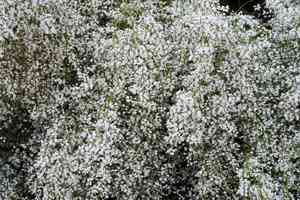
To effectively integrate Bridal veil broom into your landscape, first recognize its unique visual traits. This plant features delicate, airy foliage, creating a light, almost ethereal look. Its blossoms, resembling tiny veils, add a subtle yet captivating element to any garden. The fine texture and arching stems provide elegance and movement, setting Bridal veil broom apart from more solid landscape options.
Discussing the seasonal visual changes of Bridal veil broom
Bridal veil broom offers continuous visual appeal throughout the year, not just in one season. In spring and early summer, expect a profusion of white flowers that appear to float around the plant. As seasons progress, the foliage stays vibrant, providing a consistent backdrop. By autumn, while some leaves may fall, the plant retains a graceful form, adding interest even in colder months.
Comparing Bridal veil broom with typical garden plants
When contrasted with other common garden plants, Bridal veil broom's distinctiveness becomes clear. Unlike the dense, rounded shape of boxwoods or the broad leaves of hostas, Bridal veil broom presents a softer, more fluid form. It's less formal than many shrubs but more structured than wildflowers, making it a versatile choice for gardeners seeking to bridge these two styles.
Choosing the Perfect Location for Bridal veil broom in Your Garden
Assessing light requirements for optimal development
Selecting the ideal spot for Bridal veil broom begins with understanding its light needs. This plant thrives in full sun to partial shade. For best growth and flowering, aim for an area receiving at least six hours of daily sunlight. While it tolerates some shade, insufficient light can lead to fewer blooms and less vigorous growth.
Understanding soil preferences for Bridal veil broom
Soil quality is another critical factor for Bridal veil broom's health. This plant prefers well-drained soil with moderate fertility. While adaptable to various soil types, including sandy and loamy, good drainage is vital to prevent root rot. Amending garden soil with organic matter can enhance both fertility and drainage, improving the plant's overall growth.
Considering moisture needs and drainage conditions
Bridal veil broom has moderate water requirements, meaning it will flourish with regular watering while also being somewhat drought-tolerant once established. Ensure the soil is moist but not waterlogged, as poor drainage can cause root problems. During dry spells, increase watering frequency to maintain plant health. Mulching around the base helps retain soil moisture and reduces the need for constant irrigation.
Incorporating Bridal veil broom into Various Garden Styles
Pairing Bridal veil broom with formal garden designs
Formal gardens often demand structured lines and neat, uniform plantings. Bridal veil broom can be integrated into formal designs as a softening element along paths or within defined garden beds. Its airy quality provides a gentle contrast to the rigidity of formal hedges and geometrically arranged flowers, creating a more relaxed, inviting atmosphere.
Blending Bridal veil broom into cottage and natural garden themes
For informal settings like cottage or natural gardens, Bridal veil broom is a perfect fit. Its whimsical, flowing branches blend seamlessly with the unstructured, free-form plantings typical of these styles. Plant it among other perennials and herbs to create a lush, diverse tapestry that evokes a sense of natural beauty and informal charm.
Utilizing Bridal veil broom in modern or minimalist landscapes
Modern or minimalist garden designs often rely on clean lines and a restricted palette. Bridal veil broom can serve as a focal point or as part of a minimalist planting scheme. Its distinctive form and texture offer visual interest without overwhelming the space. Consider using it alongside stone pathways, gravel areas, or minimalist outdoor furniture to enhance its modern appeal.
Care Guidelines for a Healthy Bridal veil broom in Your Yard
Basic care tips for longevity and enhanced blooming
Maintaining Bridal veil broom is relatively simple but crucial for its long life and continuous blooms. Regular watering, especially during dry periods, and mulching to retain soil moisture are fundamental practices. Additionally, applying a balanced, slow-release fertilizer in spring can promote vigorous growth and abundant flowering.
Seasonal pruning recommendations
Pruning is a key aspect of Bridal veil broom's care to maintain its shape and encourage healthy growth. The best time to prune is late winter or early spring before new growth begins. Remove any dead or diseased wood, and trim back overgrown branches to keep the plant looking neat and well-proportioned. Light pruning after the flowering period can also stimulate more blooms.
Monitoring and preventing potential pest issues
Although Bridal veil broom is quite resilient, it can still be susceptible to certain pests. Regularly inspect your plant for signs of pests like aphids, spider mites, or scale. Natural treatments such as insecticidal soap or neem oil can be effective against these common pests. Keeping the plant healthy through proper watering and feeding significantly reduces the likelihood of pest infestations.



