Enhancing Your Garden Design with the Large buttercup Plant: A Landscaping Guide
1
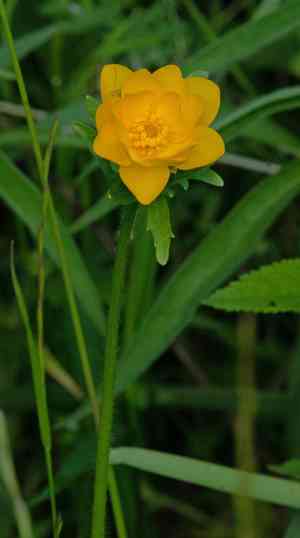
The large buttercup brings a lively touch to any garden with its brilliant and joyful flowers.
2
Large buttercup is quite simple to maintain, making it an excellent option for both new and seasoned gardeners.
3
Thoughtfully placing large buttercup can improve different aesthetic features in your outdoor space.
Incorporating Large buttercup into Landscape Design
Appreciating the visual appeal of Large buttercup
Large buttercup showcases a lovely mix of vibrant hues that can greatly boost any garden's visual charm. Known for their delightful and cheerful look, these blossoms capture attention and foster a lively atmosphere. Whether grouped or as individual accents, Large buttercup can serve as a striking focal point. The plant's hardiness and flexibility further enhance its allure, making it a versatile choice for diverse landscape schemes.
The popularity of Large buttercup in contemporary gardens
Over time, Large buttercup has become a favored option among gardening enthusiasts and professional landscapers alike. Its bright, appealing flowers are ideal for crafting lively garden spaces that attract nature lovers. Furthermore, the plant's minimal upkeep requirements make it suitable for those wishing to beautify their gardens without dedicating excessive time to maintenance. Modern gardening trends favor plants like Large buttercup that offer both aesthetic beauty and ease of care.
Advantages of selecting Large buttercup for your outdoor areas
Opting for Large buttercup in your garden offers several advantages. Firstly, these plants are recognized for their extended flowering periods, providing continuous beauty throughout the growing season. Secondly, Large buttercup attracts beneficial pollinators such as bees and butterflies, fostering a healthy garden ecosystem. Lastly, they are relatively drought-tolerant once established, making them an environmentally friendly choice for water-conscious gardeners. These combined benefits make Large buttercup an excellent addition to any landscape design.
Design Concepts Featuring Large buttercup
Establishing focal points with Large buttercup
An effective method to integrate Large buttercup into your landscape design is by utilizing them as central features in your garden. Placing Large buttercup in prominent spots, such as the middle of flower beds or along pathways, draws the eye and creates a sense of order. You can also use Large buttercup to highlight specific garden elements like statues, fountains, or garden benches. Grouping them in clusters can amplify the visual impact, adding both structure and appeal.
Pairing Large buttercup with other plants
Large buttercup harmonizes beautifully with various other plants, helping to create a unified and visually pleasing garden design. Complement them with foliage plants of contrasting colors and textures to heighten the overall visual interest. For a cohesive look, consider pairing Large buttercup with plants of similar height and growth habits. Alternatively, intersperse them with taller plants to achieve a layered effect, which can add depth and dimension to your garden.
Seasonal considerations for planting Large buttercup
When planning to plant Large buttercup, it is essential to account for seasonal aspects to ensure optimal growth and blooming. Generally, the best time to plant Large buttercup is in the spring after the risk of frost has passed. However, in some regions, autumn planting can be successful if proper mulching is ensured. Understanding your region's specific climatic needs will help you time your planting for the best outcomes. Seasonal considerations also include ongoing care, such as winter mulching and watering during dry spells.
Practical Advice for Landscaping with Large buttercup
Soil preparation for Large buttercup
Preparing the soil is a crucial step for successfully incorporating Large buttercup into your landscaping design. These plants thrive in well-drained soil rich in organic matter. Before planting, enrich the soil by adding compost or well-rotted manure. This not only improves soil structure but also provides essential nutrients for healthy growth. Additionally, ensuring proper drainage is vital to prevent root rot. Raised beds or mounded planting areas can help achieve this in areas with poor drainage.
Optimal planting techniques for Large buttercup
When planting Large buttercup, it's crucial to follow best practices to ensure they establish well and flourish. Space plants according to their mature size to prevent overcrowding, which can lead to competition for resources and diseases. Plant at the correct depth, typically similar to the plant's pot if you're transplanting. Water thoroughly after planting to help settle the soil and provide initial hydration. Mulching around the plants can help retain moisture and suppress weeds.
Maintenance tips for a flourishing Large buttercup garden
Maintaining a Large buttercup garden involves regular but straightforward tasks. Water the plants consistently, especially during dry periods, ensuring the soil remains moist but not waterlogged. Annual fertilization with a balanced, slow-release fertilizer can support robust growth and blooming. Deadhead spent blooms to encourage continuous flowering and prevent seed formation. Additionally, monitor for pests and diseases regularly to catch and address any issues early. Regular maintenance will keep your Large buttercup garden looking vibrant and healthy.
Common Challenges and Solutions
Managing pests and diseases affecting Large buttercup
Large buttercup can be vulnerable to various pests and diseases. Common pests include aphids, slugs, and snails, which can harm leaves and flowers. Regular inspection and the use of natural pest control methods, such as neem oil or introducing beneficial insects, can help manage these issues. Diseases like powdery mildew and root rot can also impact Large buttercup. Ensuring proper air circulation, avoiding overhead watering, and using fungicidal treatments can help mitigate these problems.
Adapting Large buttercup to diverse climate zones
Large buttercup can adapt to various climate zones if appropriate care is provided. In colder regions, consider planting in sheltered areas and using mulch to protect the roots during winter. In hot climates, ensure that Large buttercup receives adequate water and some afternoon shade to prevent heat stress. Selecting cultivars specifically bred for your climate can also enhance the chances of successful growth. Understanding the specific needs related to your local climate will ensure your Large buttercup plants flourish.
Resolving typical growth issues with Large buttercup
While Large buttercup is generally robust, you may encounter some growth issues, such as leggy growth or poor blooming. Leggy growth often results from insufficient light; ensuring your plants receive adequate sunlight can resolve this. Poor blooming can be due to a lack of nutrients or improper watering. Incorporating a regular feeding schedule with a balanced fertilizer and ensuring consistent watering can help address these issues. Observing your plants and adjusting care routines can lead to healthier growth and more abundant blooms.



