Enhancing Your Garden Design with the Persian buttercup Plant: A Landscaping Guide
1
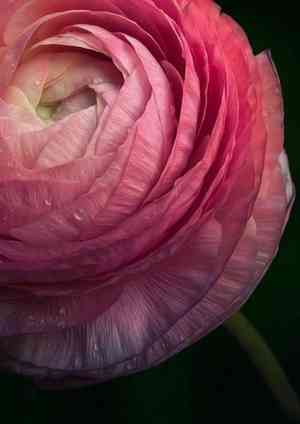
The Persian buttercup brings vivid hues and interesting texture to any garden space.
2
Persian buttercups flourish in soil that drains well and receives ample sunlight.
3
To achieve optimal spring flowering, plant Persian buttercups in early autumn.
Understanding Persian buttercup's Role in Landscaping
Overview of Persian buttercup's aesthetic appeal
Persian buttercup is a standout in any garden, with its opulent, detailed blossoms that appear in a broad spectrum of hues, including brilliant reds, vivid yellows, and soft pinks. The ruffled texture of the flowers imparts a romantic and abundant feel to any garden setting. These blooms are not only visually stunning but also foster an inviting and tranquil atmosphere in outdoor areas, making them a favorite among gardening enthusiasts.
Matching Persian buttercup with other plants
Effectively pairing Persian buttercup with other flora can establish a harmonious and balanced garden. Combine Persian buttercup with plants possessing contrasting textures and colors to maximize their visual impact. For instance, positioning them alongside green foliage plants can accentuate their vibrant blooms, while integrating them with other spring bloomers like tulips and daffodils can produce a spectacular seasonal display.
Seasonal display: The best times for Persian buttercup display
Persian buttercup flourishes and exhibits its finest colors in the spring. Planting the corms in the autumn allows them to develop roots and receive the necessary chilling period over winter, ensuring they burst into bloom as temperatures rise. To enjoy a prolonged display, plant them in succession, ensuring different batches of Persian buttercup flower consecutively, providing an extended period of vibrancy and beauty in your garden.
Integrating Persian buttercup in Different Landscape Styles
Formal garden settings with Persian buttercup
Persian buttercup integrates seamlessly into formal garden designs with their neat and symmetrical appearance. Arranging them in geometric patterns or well-defined rows can impart an air of sophistication and order to the garden. Their bright colors against manicured hedges or precisely trimmed lawns enhance the pristine look of a formal garden.
Persian buttercup in cottage-style landscapes
Persian buttercup is perfectly suited for cottage gardens, where their informal, abundant flowers contribute to the garden's natural and relaxed charm. Combining them with other casual and rustic plants like foxgloves, hollyhocks, and delphiniums can create a delightful, colorful mosaic that embodies the cottage garden aesthetic.
Utilizing Persian buttercup in modern architectures
In contemporary landscapes, Persian buttercup can be employed to introduce splashes of color against minimalist, modern backdrops. Planting them in monochromatic schemes or within sleek, contemporary containers can create striking focal points. Their bold blooms contrast beautifully with the clean lines and neutral palettes often found in modern garden designs.
Maintenance Tips for Persian buttercup in your Landscape
Watering requirements for optimal growth
Persian buttercup needs consistent moisture but not waterlogged conditions. Irrigate them regularly to keep the soil damp, especially during dry periods, but ensure proper drainage to prevent root rot. Applying mulch around the plants can help retain moisture and keep the roots cool.
Soil considerations for healthy Persian buttercup
Persian buttercup thrives in well-drained, fertile soil. Before planting, incorporate compost or well-rotted manure into the soil to improve its richness and drainage. Testing the soil pH and adjusting it to be slightly acidic to neutral (pH 6-7) can also enhance growing conditions for Persian buttercup.
Sunlight and shade: Finding the right balance for Persian buttercup
Persian buttercup prefers full sun but can tolerate partial shade. For the best blooms, plant them in a location that receives at least six hours of direct sunlight daily. In warmer climates, some afternoon shade can shield them from intense sun and help extend the flowering period.
Creative Ideas for Using Persian buttercup in Your Outdoor Space
Creating focal points with Persian buttercup
Plant Persian buttercup in groupings or masses to establish eye-catching focal points in your garden. Position them in prominent spots, such as near entrances or in the center of garden beds, where their bright colors and lush blooms can attract attention and draw visitors' gazes.
Borders and edges: Lining paths with Persian buttercup
Using Persian buttercup to line garden pathways or define borders can add structure and visual appeal. Their bright, cheerful blossoms can guide visitors through the garden and create a cohesive look. Plant them in continuous lines or in staggered clusters for a more natural effect.
Persian buttercup as ground cover: A sea of color
When planted extensively, Persian buttercup can function as an effective ground cover, forming a vibrant expanse of color. Utilize them to fill larger areas or to cover bare ground beneath trees and shrubs. Their abundant blooms and dense foliage can suppress weeds and reduce upkeep in these zones.



