Enhancing Your Garden Design with the Live oak Plant: A Landscaping Guide
1
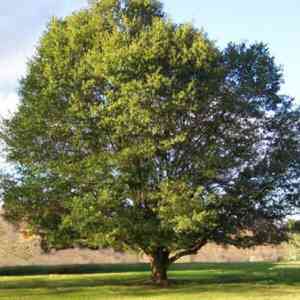
The live oak provides both shade and increases property worth.
2
It pairs well with diverse plant types to create an impressive garden design.
3
Live oaks are recognized for their long lifespan and hardiness, making them an eco-friendly option.
Introducing Live Oak in Landscaping
Appreciating Live Oak's Visual Charm
Firstly, let's explore the inherent beauty Live oak contributes to any outdoor setting. This tree features an impressive, expansive canopy that offers abundant shade, crucial for establishing pleasant outdoor zones. Its evergreen foliage ensures a vibrant, green vista year-round, making it an excellent foundational plant for any landscape plan. The robust branches and deep green leaves impart a sense of sophistication and enduring appeal, often transforming a simple garden into a grand and tranquil space.
Key Live Oak Characteristics for Landscaping
Beyond its visual appeal, Live oak possesses attributes that make it an outstanding landscaping choice. Its sturdy trunk and limbs can endure powerful winds, making it a resilient option for storm-prone regions. The dense leaf cover provides not only aesthetic value but also vital shelter and habitat for local wildlife. Furthermore, Live oak is renowned for its remarkable longevity, frequently living for centuries, meaning your investment will benefit future generations. Its widespread roots stabilize the soil, reducing erosion and enhancing your garden ecosystem's overall health.
Integrating Live Oak into Your Garden Design
Selecting the Optimal Spot for Live Oak
When deciding where to plant Live oak, consider the available area and the tree's potential mature dimensions. Ideally, Live oak should be situated where it has ample room for its roots and branches to spread without interfering with structures or other plants. It's often best placed as a central feature in larger gardens, where its broad canopy can be fully appreciated. Think about areas needing shade, such as near patios, pathways, or children's play zonesâLive oak can offer natural sun protection.
Pairing Live Oak with Other Flora
One of Live oak's remarkable qualities is its adaptability in mixed plantings. This tree harmonizes beautifully with various shrubs, perennials, and ground covers. For a cohesive look, choose plants that prefer partial shade and can flourish beneath Live oak's canopy. Flowering plants like azaleas or hydrangeas can add splashes of color below Live oak, while ground covers such as ferns and hostas create a lush, multi-layered effect. The key is to select companion plants that can coexist with Live oak's extensive root system and shade pattern.
Advantages of Live Oak in Landscape Architecture
Live Oak's Durability and Endurance
Live oak stands out for its exceptional lifespan and resilience. This tree can persist for hundreds of years, serving as a permanent fixture in your landscape design. Its robust structure makes it highly resistant to severe weather, including strong winds and dry periods, which is a significant benefit for maintaining a low-maintenance garden. By selecting Live oak, you are investing in a plant that will continue to thrive and enrich your garden for many generations.
Year-Round Beauty and Ecological Benefits
Live oak's perpetual greenery offers continuous beauty across all seasons, yet its advantages extend beyond aesthetics. The canopy provides substantial habitat for various birds and small mammals, fostering biodiversity in your garden. Additionally, Live oak's dense foliage can help improve air quality by filtering pollutants and generating oxygen. Its extensive root system plays a vital role in soil stabilization and water retention, positively contributing to the local environment.
Innovative Uses for Live Oak in Outdoor Settings
Live Oak as a Structural Element in Large Landscapes
For expansive properties, Live oak can function as an architectural element, providing structural interest and grandeur. Consider using Live oak to border driveways or property lines, creating an inviting and majestic entrance. It can also form a natural canopy over outdoor seating areas, making these spaces more comfortable and welcoming. The tree's sculptural qualities lend themselves to artistic landscape designs, where its form and shape become a central focus of the garden composition.
Adapting Live Oak for Smaller Gardens
Even in more compact gardens, Live oak can be a fantastic addition. Pruning techniques can help manage its size to fit restricted areas. It can serve as a focal point in a corner garden or act as a natural privacy screen. Smaller specimens or shaped versions of Live oak can be incorporated into garden beds, adding a touch of elegance without overwhelming the space. With thoughtful planning, Live oak can make any garden feel more expansive and refined.
Preserving Live Oak's Beauty Throughout the Year
Seasonal Care Advice for Live Oak
To ensure Live oak maintains its beauty across all seasons, consistent upkeep is essential. This includes periodic pruning to remove dead or damaged branches, which helps preserve its shape and health. Mulching around the base can help retain moisture and shield the roots from extreme temperatures. Fertilizing Live oak during its active growth periods can promote vigorous health and development, while monitoring for pests and diseases ensures any issues are addressed promptly. Regular care routines will keep Live oak flourishing year-round.
Preparing Live Oak for Climatic Shifts
Weather changes can impact any plant, and Live oak is no exception. Preparing Live oak for seasonal transitions involves a few crucial steps. In colder months, ensure the tree is adequately watered before the ground freezes to help it withstand winter. During storm seasons, inspect and manage the canopy to minimize the risk of breakage. Applying a thick layer of mulch can protect the roots from temperature fluctuations. These measures will help Live oak endure various weather conditions, keeping it healthy and attractive throughout the year.



