Enhancing Your Garden Design with the Black oak Plant: A Landscaping Guide
1
Incorporating Black oak into your outdoor space offers significant ecological advantages, such as fostering diverse life.
2
Effective planning and design concepts are crucial for visually pleasing Black oak landscaping.
3
Actual case studies and professional insights demonstrate the tangible advantages and aesthetic appeal of Black oak.
Introducing Black Oak in Landscaping
Visual appeal of Black oak in garden design
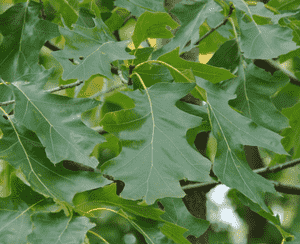
When considering the visual impact of garden elements, Black oak stands out as a striking addition to any outdoor space. It possesses a unique charm, characterized by its sturdy trunk and impressive canopy that adds depth and texture to the landscape. As Black oak matures, it provides a stunning array of colors, from its vibrant green leaves in spring to its rich, warm hues in autumn. This seasonal change not only enhances the visual interest of your garden but also ensures year-round beauty.
Ecological advantages of using Black oak in landscape plans
Black oak isn't just a visual asset; it also plays a crucial role in supporting natural ecosystems. By integrating Black oak into your landscape, you contribute to the local environment in numerous ways. The tree offers shelter and sustenance for various wildlife species, including birds and insects. Its roots help prevent soil erosion and improve soil structure by promoting beneficial microorganisms. Furthermore, Black oak can enhance air quality and absorb carbon, making your garden not only more beautiful but also more environmentally friendly.
Designing Your Landscape with Black Oak
Assessing your site: Key considerations
Before planting Black oak, it's essential to thoroughly evaluate the available space. Consider the tree's eventual size and canopy spread to ensure it doesn't overcrowd other plants or structures. Assess the soil type and sunlight exposure, as these factors will influence the growth and health of Black oak. Ensure there's adequate drainage to prevent root rot, and consider how the tree will fit into the overall layout of your landscape.
Design principles: Achieving harmony with Black oak
Achieving a harmonious landscape design with Black oak involves understanding basic design principles. Strategically placing Black oak can serve as a focal point, drawing the eye and creating a sense of balance. Combine Black oak with a variety of textures, heights, and colors to create a cohesive look. Utilize repetition and patterns in other plants and garden features to complement the natural beauty of Black oak, ensuring that it enhances rather than overwhelms the design.
Choosing complementary plants and features for Black oak
Selecting appropriate companion plants can enhance the aesthetic and ecological value of Black oak. Opt for plants that thrive in similar soil and light conditions. Ground covers, shrubs, and perennials can provide a layered look and support local biodiversity. Additionally, incorporating features like benches or garden paths around Black oak can create inviting spots to enjoy the tree's beauty and the shade it offers. Consider seasonal plants that bloom at different times to ensure continuous visual interest.
Integrating Black Oak into Your Existing Landscape
Step-by-step guide for adding Black oak to an established garden
Introducing Black oak into an existing landscape requires careful planning and execution. Begin by selecting an optimal location, ensuring there's sufficient space for the tree's growth. Prepare the planting site by digging a hole twice as wide but no deeper than the root ball. Place Black oak in the hole, backfilling with soil and pressing down to eliminate air pockets. Water thoroughly and apply mulch to retain moisture. Regularly monitor the tree's progress, providing support with stakes if necessary and ensuring it receives adequate water during dry periods.
Maintaining visual consistency while incorporating Black oak
Maintaining a cohesive look in your garden while adding Black oak involves thoughtful integration. Gradually introduce Black oak by blending it with existing plants and structures. Use transition plants that match both the old and new elements of your garden. Prune surrounding plants as needed to ensure they donât overshadow Black oak, and use similar colors and textures to create a seamless blend. Over time, as Black oak becomes established, it will naturally harmonize with the other elements of your landscape.
Environmental Impact and Sustainability of Black Oak
Discussing the enduring benefits of Black oak on local ecosystems
The long-term inclusion of Black oak in your landscape offers significant ecological benefits. As a native species, Black oak supports local wildlife by providing habitat and food sources. Its extensive root system helps stabilize soil, reducing erosion and promoting water infiltration. Over time, Black oak contributes to the formation of a healthy, diverse ecosystem by supporting a wide range of plants and animals, fostering ecological resilience and sustainability.
Fostering biodiversity and sustainability with Black oak
Incorporating Black oak into your landscape is a step towards promoting biodiversity and sustainability. The tree's natural adaptability makes it a resilient addition that can thrive in various conditions. Planting Black oak encourages the presence of beneficial insects, birds, and other wildlife, creating a balanced and thriving ecosystem. Moreover, by choosing Black oak, you support efforts to preserve native species and enhance the environmental health of your community, contributing to a greener, more sustainable future.
Frequently Asked Questions: How Black Oak Can Enhance Your Yard
Examples of various landscape projects featuring Black oak
Numerous landscape projects showcase the transformative impact of Black oak. From small urban gardens to expansive rural properties, Black oak has been used to create stunning visual effects and ecological balance. Examples include park settings where Black oak provides shade and habitat, residential yards where it serves as a focal point and windbreak, and commercial landscapes where it adds aesthetic and environmental value. Each project highlights the versatility and impact of incorporating Black oak into different settings.
Insights from landscape professionals on working with Black oak
Landscape professionals often praise Black oak for its aesthetic value and ecological benefits. Experts note that Black oak is relatively low-maintenance once established and provides substantial long-term rewards. Testimonials from landscape architects and gardeners emphasize the tree's ability to adapt to different environments and its role in enhancing biodiversity. This professional feedback reinforces Black oak's status as a valuable and versatile component of sustainable landscape design.



