Enhancing Your Garden Design with the Chinese cork oak Plant: A Landscaping Guide
1
The Chinese cork oak contributes distinctive visual appeal and seasonal charm to your outdoor space.
2
Strategic positioning within your garden is essential for the best development of Chinese cork oak.
3
Incorporating Chinese cork oak into your landscape design can boost ecological advantages and the worth of your property.
Appreciating the Visual Contribution of Chinese Cork Oak in Garden Design
The distinctive aesthetic qualities of Chinese cork oak
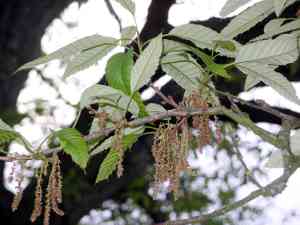
A key reason Chinese cork oak excels in garden design is its unique visual attributes. Its textured bark and characteristic leaf shape offer an inherent beauty that is difficult to match. The expansive canopy presents a striking appearance, making it an ideal focal point in any garden or yard. The bark's texture adds depth and intrigue, serving as a natural sculpture within your landscape.
How Chinese cork oak complements diverse landscape styles
Chinese cork oak is remarkably adaptable, fitting well with various landscape aesthetics, from contemporary and minimalist to rustic and classic. Its sturdy yet graceful form can suit different design preferences. For example, in a minimalist garden, Chinese cork oak can be the central natural element around which the design is built. In a more traditional setting, it can seamlessly integrate with other plants, enhancing the garden's overall charm.
Seasonal transformations and their visual appeal with Chinese cork oak
Seasonal shifts truly highlight the beauty of Chinese cork oak. In spring and summer, its abundant foliage provides vibrant greens that enliven your garden. By autumn, the leaves of Chinese cork oak change into a stunning display of yellows and reds, offering a visual spectacle that signals the changing seasons. In winter, the tree's textured bark and structure add visual interest when many other plants are dormant. This year-round versatility makes Chinese cork oak a constant asset to any landscape.
Selecting the Optimal Spot for Chinese Cork Oak in Your Garden
Considerations for ideal placement
When deciding where to plant Chinese cork oak, several factors are important. Space is a primary concern, as Chinese cork oak needs ample room to grow and spread its canopy. It's also crucial to consider how the mature size of Chinese cork oak will affect light and space for other plants in your garden. Think about the view from your home and key points in your yard to position Chinese cork oak where it can be fully enjoyed.
Matching Chinese cork oak with sun exposure and soil needs
Chinese cork oak thrives best in well-drained soil and requires a location that receives abundant sunlight. Six hours of direct sun daily is optimal for its growth. Before planting, it's wise to test your soil to ensure it has the correct pH level and nutrients necessary for Chinese cork oak to flourish. Enriching the soil with organic matter can create the perfect growing environment for this beautiful addition to your garden.
Integrating Chinese Cork Oak with Other Plant Species
Companion planting suggestions for Chinese cork oak
Companion planting with Chinese cork oak can create a harmonious and visually pleasing garden. Consider pairing Chinese cork oak with understory plants like ferns or hostas, which thrive in partial shade. These plants can benefit from the protection offered by Chinese cork oak and add layers to your garden's design. Additionally, shrubs and smaller trees such as dogwood or azalea can complement Chinese cork oak by introducing color and variety to your landscape.
Establishing balanced ecosystems with Chinese cork oak
Chinese cork oak can play a vital role in fostering a balanced ecosystem in your garden. Its leaves provide essential mulch and natural compost as they break down, enriching the soil. The strong branches offer shelter for various bird species, contributing to biodiversity. By integrating Chinese cork oak with a diverse range of plants, you can cultivate a more sustainable and self-sufficient garden ecosystem.
Long-Term Advantages of Incorporating Chinese Cork Oak in Landscaping
Environmental benefits of planting Chinese cork oak
Planting Chinese cork oak offers numerous environmental advantages. It significantly improves air quality by absorbing CO2 and releasing oxygen. Its extensive root system aids in soil stabilization and erosion prevention. Furthermore, Chinese cork oak provides habitat and food for wildlife, promoting biodiversity and ecological balance in your garden.
Increasing property value with mature Chinese cork oak
A mature Chinese cork oak can substantially boost your property's worth. Potential buyers often value well-established trees for the shade, beauty, and overall character they bring to a landscape. Real estate studies indicate that trees can increase property values by up to 15%. Thus, investing in Chinese cork oak today can yield significant returns in the future, both in terms of aesthetic appeal and financial gain.
Caring for Chinese Cork Oak in Your Landscape
Fundamental tips for robust growth
Ensuring the healthy growth of Chinese cork oak involves consistent maintenance practices. Watering during dry spells is crucial, especially for newly planted trees. Mulching around the tree's base helps retain moisture and suppress weeds. Regular pruning is necessary to remove dead or diseased branches and shape the tree.
Seasonal care routines for Chinese cork oak
Different seasons demand specific care practices for Chinese cork oak. In spring, check for any winter damage and prune away broken branches. Summer is the time to ensure consistent watering, particularly during dry periods. Autumn is ideal for applying compost or mulch to prepare Chinese cork oak for winter. Frequent inspections throughout the year can prevent pest infestations and ensure the tree remains healthy and strong.



