Enhancing Your Garden Design with the Cork oak Plant: A Landscaping Guide
1
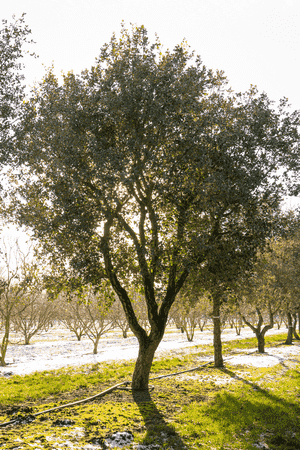
Cork oak improves visual attractiveness and serves as a central feature in landscape layouts.
2
Cork oak plays a vital role in environmentally friendly landscaping initiatives.
3
Strategic positioning and complementary planting promote the development and well-being of Cork oak.
Introducing Cork Oak in Landscape Design
Aesthetic qualities of Cork oak.
Cork oak stands as a grand feature in any landscape. Its expansive, evergreen canopy offers ample shade, while its rugged, corky bark provides texture and visual appeal. This distinctive tree can serve as a captivating focal point in both large and small garden layouts, offering year-round greenery and a sense of timelessness. The tree's hardiness and gradual growth make it an excellent option for those seeking a low-maintenance yet striking addition to their outdoor space.
Cork oak's role in eco-friendly landscaping.
Cork oak plays a vital part in environmentally sustainable landscaping. Renowned for its capacity to absorb carbon, this tree aids in lowering your garden's carbon footprint. Its drought-resistant nature makes it a superb choice for gardeners mindful of water usage. Furthermore, Cork oak supports biodiversity by offering shelter and sustenance for various wildlife, including birds and insects. Integrating Cork oak into your landscape not only boosts its visual charm but also contributes to a healthier ecosystem.
Selecting the Optimal Site for Cork Oak
Considerations before planting Cork oak.
When deciding where to plant Cork oak, several factors are important. This tree thrives in well-drained, slightly acidic to neutral soil. Ensure the chosen spot receives abundant sunlight, as Cork oak prefers full sun to partial shade. It's also crucial to account for available space, as Cork oak can grow quite large over time. Providing ample room for its roots to spread will help ensure its long-term vitality and development.
Prime locations for Cork oak's growth and health.
The best location for planting Cork oak mirrors its native Mediterranean environment. A well-drained hill or slope is perfect, as it prevents water from accumulating around the roots. Avoid low-lying areas prone to waterlogging or spots with heavy clay soil. Placing Cork oak in a location with good air circulation can also lessen the risk of diseases. Ensure it's positioned away from structures or other trees to allow it to reach its full potential.
Integrating Cork Oak with Other Flora
Companion plants that flourish with Cork oak.
Companion planting with Cork oak involves choosing plants that thrive in similar conditions. Lavender, rosemary, and sage are excellent choices, as they prefer the same well-drained, sunny environments. Ground covers like creeping thyme or low-growing sedums can also complement Cork oak by adding a new textural layer to the garden. Avoid planting anything too close to the base of Cork oak, as it requires space for its extensive root system.
Cultivating biodiversity with Cork oak as a central feature.
Utilizing Cork oak as a central feature can foster a biodiverse landscape teeming with life. Surround it with a mix of native perennials, shrubs, and flowering plants to attract pollinators and beneficial insects. Consider adding water features or bird feeders nearby to further enhance biodiversity. This approach not only supports local wildlife but also adds layers of interest and beauty to your garden. A biodiverse landscape centered around Cork oak creates a balanced ecosystem that is resilient and self-sustaining.
Landscape Design Concepts Featuring Cork Oak
Design themes ideal for showcasing Cork oak.
Several design themes can allow Cork oak to truly shine. A Mediterranean garden theme, with its rustic charm and drought-tolerant plants, perfectly complements the tree's natural habitat. For a contemporary feel, consider a minimalist design with clean lines and open spaces highlighting the tree's striking form. Woodland gardens can also benefit from Cork oak's presence, providing a canopy under which ferns and shade-loving plants can thrive. Blending these themes allows you to customize your garden to your personal style while making Cork oak the star.
Examples of successful landscaping projects incorporating Cork oak.
One successful project featured Cork oak as the focal point of a Mediterranean-style courtyard, encircled by terracotta pots filled with fragrant herbs. Another instance is a sprawling modern garden where Cork oak stood alone on a grassy knoll, creating a powerful, minimalist statement. In a woodland garden, Cork oak was integrated into a naturalistic setting, with winding paths leading to it, fostering a sense of discovery. These projects illustrate the adaptability of Cork oak in various landscape designs, demonstrating its capacity to enhance any outdoor area.
Maintaining the Health and Beauty of Cork Oak
Regular inspections for a healthy Cork oak.
To preserve Cork oak's health and aesthetic appeal, routine checks are crucial. Examine the tree for indications of pests or disease, such as discolored foliage or unusual growths. Prune any dead or damaged branches to encourage new growth and maintain a robust structure. Water the tree deeply during dry spells but avoid overwatering, as Cork oak prefers arid conditions. Mulching around the base can help retain moisture and reduce weed competition, ensuring your tree remains healthy and vibrant.
Seasonal considerations for Cork oak upkeep.
Seasonal care ensures Cork oak remains in prime condition throughout the year. In spring, apply a balanced fertilizer to support new growth. Summer necessitates consistent watering, especially during prolonged dry periods. Autumn is the perfect time for mulching and soil enrichment, while winter requires minimal intervention, as Cork oak is quite resilient. Ensure any necessary pruning is carried out in late winter to early spring to avoid stressing the tree. By adhering to these seasonal care guidelines, you can enjoy a flourishing and beautiful Cork oak in your landscape.
Cork Oak's Impact on Property Value and the Environment
How Cork oak influences property valuation.
Having Cork oak in your landscape can positively affect property appraisal. Mature trees are often viewed as valuable assets, enhancing curb appeal and perceived luxury. Cork oak's distinctive appearance and eco-friendly attributes can make a property stand out in the market. Well-maintained landscapes featuring prominent trees like Cork oak can also suggest that the overall property has been well cared for, potentially increasing its market value and attracting more buyer interest.
Environmental advantages of integrating Cork oak into landscapes.
Incorporating Cork oak into your landscape offers numerous environmental benefits. Its capacity to sequester carbon aids in mitigating climate change, and its drought tolerance makes it an ideal choice for water conservation efforts. Cork oak also contributes to soil health through leaf litter and provides habitat for wildlife, boosting local biodiversity. Additionally, the tree's presence can lower surrounding temperatures, reducing the urban heat island effect. By planting Cork oak, you're not only beautifying your space but also contributing to a healthier planet.



