Enhancing Your Garden Design with the Shumard oak Plant: A Landscaping Guide
1
The Shumard oak provides impressive seasonal transformations, enhancing your garden's appeal throughout the year.
2
Optimal positioning of Shumard oak necessitates consideration of soil composition and sun exposure.
3
Thoughtful companion planting alongside Shumard oak can boost your garden's general well-being and beauty.
Exploring the Visual Appeal of Shumard Oak
Highlighting the Unique Characteristics of Shumard Oak
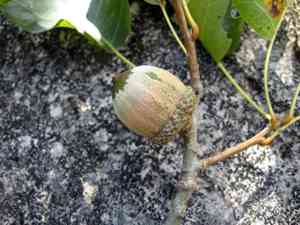
A primary reason to incorporate Shumard oak into your landscape design is its distinct attributes. This tree stands out with its broad, deeply lobed leaves, which transform into brilliant shades of red and brown in autumn. Its robust trunk and wide-spreading branches convey a sense of grandeur and stability, making it a prominent feature in any garden. Furthermore, the acorns produced by Shumard oak not only enhance its visual charm but also attract various wildlife, introducing an element of natural vibrancy and dynamism to your outdoor space.
Seasonal Transformations and Visual Impact of Shumard Oak
Shumard oak is a tree that offers year-round beauty, altering your garden's appearance with each season. In spring, the tree's fresh, green foliage emerges, forming a lush canopy that provides shade and cooling. Summer brings a deeper green hue, making the tree a tranquil backdrop for outdoor activities. As autumn arrives, Shumard oak takes center stage with its stunning fall color display, ranging from vivid reds to rich browns, boosting your garden's visual appeal. Lastly, even in winter, Shumard oak retains its structural integrity, with its bare branches offering a stark, yet elegant, contrast against the winter sky.
Selecting the Optimal Site for Shumard Oak in Your Garden
Assessing Soil and Sunlight Requirements
Choosing the ideal spot for Shumard oak involves understanding its specific soil and sunlight needs. This tree thrives in well-drained soils with a slightly acidic to neutral pH. Ensuring the soil is rich in organic matter will help Shumard oak grow vigorously. Additionally, Shumard oak prefers full sun to partial shade, requiring at least six hours of direct sunlight daily for optimal development. By analyzing your garden's soil composition and sunlight exposure, you can pinpoint the perfect location to plant Shumard oak, ensuring it has the best possible conditions to flourish.
Space Planning Considering Shumard Oak's Growth Habits
When planning Shumard oak's placement, it's crucial to consider its growth patterns. This tree can reach 60-80 feet tall with a spread of 40-60 feet, necessitating ample space to achieve its full potential without competing with other plants. Therefore, it's vital to ensure sufficient space around the tree to accommodate its mature size. This may involve leaving at least 15-20 feet of clearance from buildings and other trees. Proper spacing not only allows Shumard oak to grow healthily but also prevents overcrowding, ensuring your landscape maintains a balanced and harmonious appearance.
Complementary Planting with Shumard Oak
Ideal Companion Plants for Shumard Oak
Companion planting is a strategic method to enhance your garden's health and beauty. Suitable companions for Shumard oak include shrubs and perennials that flourish in similar soil and light conditions. Plants such as azaleas, rhododendrons, and hostas complement Shumard oak's stature and provide varied textures and colors throughout the year. These companions can help create a layered and dynamic landscape, adding depth and visual interest to your garden. By carefully selecting plants that grow well alongside Shumard oak, you can establish a cohesive and thriving garden ecosystem.
Advantages of Companion Planting
There are numerous benefits to companion planting with Shumard oak. Firstly, companion plants can help improve soil quality, providing essential nutrients that support Shumard oak's growth. Secondly, they offer protection against pests, reducing the need for chemical interventions and fostering a more organic gardening approach. Finally, companion planting enhances your garden's visual appeal, offering a diverse array of colors, textures, and forms that make your landscape more vibrant and engaging. The synergy between Shumard oak and its companion plants leads to a more sustainable and aesthetically pleasing garden.
Enduring Care and Sustainability
Assessing Longevity and Sustainability Factors
Long-term care of Shumard oak involves understanding its lifespan and sustainability aspects. This tree is known for its durability and can live for many decades, providing lasting beauty to your garden. Regular evaluations of the tree’s health, soil conditions, and environmental stressors will help you identify any issues early on and address them promptly. Implementing sustainable practices, such as mulching, appropriate watering, and avoiding soil compaction, will support the tree’s long-term health. By focusing on sustainability, you can enjoy the benefits of Shumard oak in your landscape for many years.
Strategies for Enduring Health and Aesthetics
Maintaining the long-term health and aesthetics of Shumard oak requires a series of proactive strategies. Regular pruning to remove dead or diseased branches helps maintain the tree’s shape and prevents potential hazards. Fertilizing the tree annually with a balanced fertilizer can promote healthy growth and enhance its foliage vibrancy. Additionally, protecting Shumard oak from pests and diseases through organic treatments ensures it remains strong and visually appealing. Implementing these strategies will keep Shumard oak in optimal condition, allowing it to continue being a beautiful and functional part of your landscape design.



