Enhancing Your Garden Design with the Sessile oak Plant: A Landscaping Guide
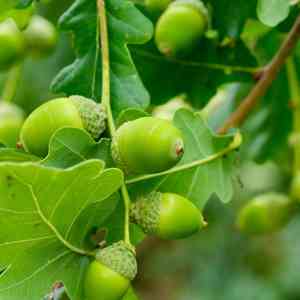
1
Quercus petraea offers adaptability and aesthetic appeal for diverse outdoor settings.
2
Thoughtful placement of Quercus petraea enhances its visual impact and ecological contributions.
3
Quercus petraea is recognized for its resilience and low upkeep needs.
Introducing Sessile Oak in Landscape Design
Overview: Why Sessile Oak Excels in Landscape Projects
Sessile oak has secured its position as a favored option for numerous landscape endeavors due to its striking appearance and adaptability. This robust plant uniquely blends aesthetic appeal with environmentally friendly attributes. Whether aiming for a sturdy, ecologically sound landscape or simply seeking to add an attractive element, Sessile oak offers many advantages.
Visual Impact: Appreciating the Aesthetic Qualities of Sessile Oak
Regarding visual appeal, Sessile oak truly shines. Its expansive canopy and rich foliage create a picturesque scene that transforms beautifully with the seasons. In spring and summer, its green leaves provide a tranquil, natural green backdrop, while its autumn colors deliver a vibrant, warm glow. This seasonal change ensures Sessile oak keeps your landscape visually engaging throughout the year.
Integrating Sessile Oak into Your Landscape Plan
Site Selection: Optimal Placement for Maximum Effect
The spot you choose for Sessile oak in your landscape is vital. Positioning it centrally can create a focal point, drawing attention and providing a natural anchor for your design. Alternatively, placing Sessile oak along borders or paths can enhance privacy and guide foot traffic. Remember that Sessile oak thrives best in well-drained, fertile soils and needs ample sunlight, so select a location that meets these conditions for optimal growth and visual impact.
Pairing Sessile Oak with Other Plants: Compatible Species
Combining Sessile oak with complementary plant species can boost your landscape's overall beauty and health. Consider companion plants that flourish in similar conditions, such as shade-tolerant shrubs and perennials. Ornamental grasses and flowering plants can add texture and color, creating a dynamic and visually appealing garden. The key is to choose species that thrive in the same environmental conditions to ensure a harmonious and sustainable landscape.
Advantages of Selecting Sessile Oak for Your Landscape
Sustainability: How Sessile Oak Contributes to Eco-friendly Landscaping
Incorporating Sessile oak into your landscape promotes sustainability. As a native species, it supports local biodiversity by offering habitat and food for wildlife. Additionally, Sessile oak aids in soil conservation and water retention, reducing the need for irrigation and chemical fertilizers. This environmental compatibility makes Sessile oak an excellent choice for eco-conscious gardeners looking to minimize their ecological footprint.
Durability: The Longevity and Resilience of Sessile Oak
Sessile oak is renowned for its durability and longevity, making it a smart investment for long-term landscaping projects. Once established, it requires minimal upkeep, thriving under various weather conditions. This resilience means you can enjoy the benefits of Sessile oak without frequent replacements or intensive care. Its robust nature ensures that it will remain a key feature of your landscape for many years to come.
Featured Snippets: FAQs on Using Sessile Oak in Landscaping
Is Sessile Oak Suitable for Small Gardens?
While Sessile oak is typically associated with larger landscapes, it can also be suitable for small gardens with proper planning. Employing pruning techniques to manage its size and selecting dwarf varieties can make it an excellent addition to smaller spaces. Ensure that its growth does not overwhelm other plants or obstruct pathways to maintain a balanced garden environment.
How Often Should Sessile Oak Be Replaced or Maintained?
Sessile oak is low-maintenance once established and doesn't require frequent replacements. Regular maintenance should include pruning dead or diseased branches and checking for pests. Watering should be adjusted seasonally, particularly during dry periods. By following these simple guidelines, Sessile oak can continue to flourish and enhance your landscape for many years.



