Enhancing Your Garden Design with the Pin oak Plant: A Landscaping Guide
1
Pin oak flourishes in ample sunlight and needs soil that drains effectively for best development.
2
Adding Pin oak to your outdoor space offers shade, aesthetic appeal, and a home for local fauna.
3
Pin oak benefits from periodic trimming and consistent mulching to preserve its vitality and look.
Introducing Pin Oak for Landscaping
Overview of Pin oak features relevant to landscape design
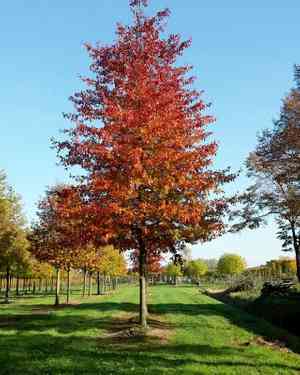
Pin oak is an excellent option for landscaping due to its distinct attributes. The tree exhibits a pyramidal form when young, transitioning to a more oval shape as it matures. Its dense canopy offers ample shade, and its leaves are a rich green in summer, turning a vivid red in autumn. This seasonal color transformation can provide year-round visual appeal to your garden. Furthermore, Pin oak produces small, round acorns that can attract local wildlife, such as squirrels and birds, enhancing the biodiversity of your outdoor area.
Advantages of integrating Pin oak into outdoor environments
There are numerous advantages to incorporating Pin oak into your outdoor environments. A primary benefit is the shade it offers, which can help cool your home and reduce energy expenses during the summer. Its robust and extensive root system aids in preventing soil erosion, making it perfect for stabilizing slopes and embankments. Moreover, the presence of Pin oak can elevate the aesthetic charm of your landscape, offering visual interest through its seasonal changes and architectural form. It also contributes to improving air quality by filtering pollutants and releasing oxygen.
Selecting the Ideal Spot for Pin Oak
Factors to consider when choosing a planting location
When selecting a planting site for Pin oak, consider its mature size, which can reach up to 70 feet in height with a spread of 25-40 feet. Ensure there is sufficient room for the tree to grow without interfering with buildings, utility lines, or other structures. Additionally, account for the proximity to other plants and trees to prevent overcrowding. The location should provide adequate air circulation to minimize disease risk. Finally, consider the long-term landscape plan, ensuring that the placement of Pin oak aligns with your overall garden design.
How sunlight exposure impacts Pin oak's development
Pin oak thrives in full sun, meaning it requires at least six hours of direct sunlight daily. Sufficient sun exposure ensures healthy growth and vibrant leaf coloration. While Pin oak can endure partial shade, its growth may be slower and less vigorous. Ensure the planting site receives ample sunlight throughout the day, particularly during the crucial growth periods in spring and summer.
Advice on soil requirements for optimal health
Pin oak prefers well-drained, slightly acidic soil but can adapt to various soil types, including clay. To promote optimal health, ensure the soil is loose and rich in organic matter. Amending the soil with compost before planting can enhance its nutrient content and drainage. Regular mulching around the tree's base helps retain moisture, regulate soil temperature, and suppress weeds. Avoid planting Pin oak in areas with standing water, as this can lead to root rot and other water-related problems.
Combining Pin Oak with Other Flora
Compatible plant species for Pin oak
To create a balanced and visually pleasing garden, consider complementary plant species that pair well with Pin oak. Understory plants such as ferns, hostas, and shade-loving perennials can flourish beneath its canopy. For a layered landscape, incorporate shrubs like azaleas and hydrangeas, which can add color and texture at varying heights. Ground covers such as ivy and vinca can help manage soil erosion and provide a lush, green carpet around the base of Pin oak.
Design concepts for mixed plantings
When designing mixed plantings with Pin oak, aim for a balanced composition of textures, colors, and forms. Group plants with differing bloom times to ensure continuous interest throughout the seasons. Incorporate evergreens for year-round structure and focal points. Consider pathways and seating areas that allow for close enjoyment of the tree and its associated plants. Using Pin oak as a backdrop or centerpiece, frame views or create garden rooms that offer distinct experiences within your landscape.
Managing plant spacing and arrangement
Proper plant spacing and arrangement are vital for the health and aesthetics of your garden. Ensure that Pin oak has enough room to reach its mature size without crowding other plants. Space companion plants appropriately to avoid competition for nutrients and water. A staggered planting arrangement can create a natural, layered look, providing depth and dimension to your landscape. Regularly monitoring plant growth and making adjustments as needed will help maintain the desired layout and ensure the garden remains balanced and thriving.
Maintaining Pin Oak in Your Landscape
Seasonal care recommendations for Pin oak
Maintaining Pin oak involves several seasonal care tasks to ensure its health and longevity. In the spring, clear any fallen leaves and debris from around the base to prevent disease. Fertilize with a balanced, slow-release fertilizer to support new growth. During the summer, water deeply during dry periods to encourage a robust root system. In the fall, prune dead or diseased branches to maintain the tree's shape and health. Apply a fresh layer of mulch before winter to protect the roots from temperature extremes and reduce soil erosion.
Addressing common issues and solutions
Pin oak can be susceptible to some common issues, such as leaf spot, gall, and scale insects. Regularly inspect the tree for signs of pests or disease, such as discolored leaves or unusual growths. Implement preventive measures like proper spacing and air circulation to minimize disease risk. If issues arise, use horticultural oils or insecticidal soaps for pest control and fungicides for fungal infections. Properly watering and fertilizing can also keep Pin oak resilient and less susceptible to problems.
Highlighting Pin Oak: Creative Applications in Landscape Design
Innovative design concepts featuring Pin oak
Showcase Pin oak in your landscape with creative design ideas that emphasize its beauty and utility. Plant Pin oak along a driveway or path to create a grand, inviting avenue. Use it as a focal point in a large lawn area, where its symmetrical shape can be fully appreciated. Pair Pin oak with a water feature to create a tranquil garden space. Consider lighting the tree from below to accentuate its structure and foliage during the evening, adding an enchanting atmosphere to your garden.
Examples of Pin oak in public and private settings
There are many inspiring examples of Pin oak in both public and private settings. In public parks, Pin oak often lines pathways and picnic areas, providing shade and aesthetic appeal. In private gardens, it can serve as a stately lawn tree or anchor for a garden bed. Some urban landscapes utilize Pin oak for its ability to thrive in challenging conditions, such as along streets or in parking lot islands. These applications demonstrate Pin oak's versatility and ability to enhance various types of landscapes.



