Enhancing Your Garden Design with the Bur oak Plant: A Landscaping Guide
1
The Bur oak can greatly improve your garden's look due to its impressive size and seasonal leaf color shifts.
2
Placing Bur oak thoughtfully can offer extensive shade, leading to better home energy conservation.
3
Adding Bur oak to your landscape plan can increase your property's worth and support eco-friendly land management.
Introducing Bur Oak for Landscaping
Overview of Bur oak's visual appeal.
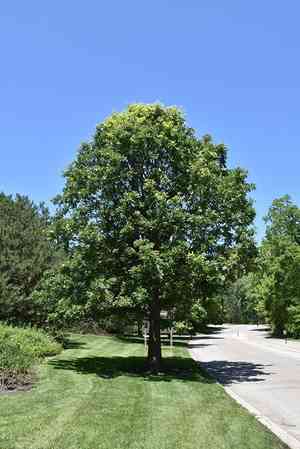
When designing a landscape, tree selection is crucial for aesthetics, and Bur oak stands out due to its distinct visual traits. This tree features a grand outline with wide, spreading branches and a rugged bark texture that lends a stately presence to any yard. Its large, lobed leaves change colors seasonally, offering a vibrant autumn display that can be a focal point in your landscape. The majestic presence of Bur oak not only adds depth and dimension to your garden but also fosters a natural, welcoming ambiance.
Why select Bur oak for your garden or yard?
There are several compelling reasons to integrate Bur oak into your garden or yard. Primarily, Bur oak is remarkably robust and adaptable, capable of thriving in diverse soil conditions and climates. It's a low-maintenance choice for homeowners seeking elegance without extensive upkeep. Furthermore, Bur oak can endure for many generations, making it a legacy tree for future family enjoyment. Its dense canopy provides ample shade, reducing heat in outdoor areas and potentially lowering energy costs by naturally cooling your home.
Bur Oak's Aesthetic Contributions
Seasonal transformations and their scenic impact.
One of Bur oak's most captivating features is its year-round transformation, offering a dynamic visual experience. In spring and summer, its lush green foliage provides a backdrop of verdant beauty. As autumn nears, the leaves shift to brilliant yellows, golds, and sometimes reds, creating a picturesque scene ideal for seasonal photos and family gatherings. During winter, the tree's sturdy structure and intriguing bark pattern add textural interest against the season's starkness. These seasonal changes significantly enrich the landscape, ensuring your garden remains appealing throughout the year.
Shade provision and its environmental advantages.
Beyond aesthetics, Bur oak offers practical benefits, especially regarding shade. The dense, spreading canopy of Bur oak creates a cool, shaded area beneath, making outdoor spaces more comfortable during hot weather. Strategic planting of Bur oak can help cool your home naturally, reducing air conditioning needs and thus lowering energy consumption. Moreover, the shade provided by Bur oak can protect other garden plants from intense sun, fostering a more hospitable environment for various flora.
Placing Bur Oak in Your Landscape
Considerations before planting.
Correctly positioning Bur oak in your landscape is vital for maximizing its benefits and ensuring healthy growth. Consider the tree's mature size, which can be quite expansive, and ensure sufficient space for it to grow without interference from structures, power lines, or other large plants. Soil quality is another key factor; while adaptable, Bur oak thrives in well-drained soils. Sunlight exposure should also be assessed, as Bur oak benefits from full to partial sun. Proper spacing between trees is essential to prevent overcrowding and promote healthy root development.
Creative ideas for integrating Bur oak into designs.
There are numerous imaginative ways to incorporate Bur oak into your landscape design. For a classic look, use Bur oak as a central feature in a large, open lawn to highlight its majestic form. In smaller yards, consider planting Bur oak near the edges to create a natural border or screen. You can also use Bur oak to frame pathways or driveways, creating a grand entrance to your property. Planting Bur oak near patios or decks can provide much-needed shade, creating a pleasant outdoor living space. For an enhanced visual impression, underplant Bur oak with shade-tolerant flowers and shrubs to create a layered, lush garden.
Maintaining Bur Oak in Your Landscape
General tips for health and appearance upkeep.
Maintaining Bur oak is relatively straightforward, but consistent care ensures it remains healthy and attractive. Water young trees thoroughly until established, then provide deep watering during dry spells. Mulching around the tree's base helps retain soil moisture and suppress weeds. Pruning is important for shaping the tree and removing dead or diseased branches, ideally in late winter or early spring before new growth begins. Fertilization may be necessary in nutrient-poor soils to ensure optimal growth.
Addressing common issues.
While Bur oak is generally resilient, it can face certain challenges like pests and diseases. Common pests include caterpillars, gall wasps, and borers, which can typically be managed through regular inspections and appropriate treatments. Diseases such as oak wilt or leaf blight may also affect Bur oak, requiring prompt attention from a tree care specialist. Additionally, extreme weather conditions like drought or heavy winds can cause stress or damage. Ensuring proper hydration and structural support during such times can help mitigate adverse effects.
Enhancing Your Property with Bur Oak
Boosting property value through strategic placement.
Incorporating Bur oak into your landscape can positively impact your property's value. A well-placed Bur oak, with its imposing stature and aesthetic appeal, can significantly enhance curb appeal. Homebuyers often appreciate mature trees as they suggest a well-established, cared-for property. By positioning Bur oak to highlight architectural features or creating inviting outdoor spaces, you can make your home more attractive to potential buyers.
Bur oak's role in sustainable landscaping.
Lastly, Bur oak plays a crucial role in sustainable landscaping. Its ability to provide substantial shade reduces the urban heat island effect and conserves energy. Additionally, Bur oak contributes to air quality improvement by filtering pollutants and producing oxygen. The tree's extensive root system helps prevent soil erosion and manage water runoff. By choosing Bur oak, you are not only beautifying your landscape but also promoting environmental health and sustainability, reflecting a commitment to ecological stewardship.



