Enhancing Your Garden Design with the Overcup oak Plant: A Landscaping Guide
1
Overcup oak flourishes in a sunny, well-drained location, ideal for many residential landscapes.
2
Combining Overcup oak with suitable companion plants improves both visual appeal and ecological variety.
3
Sustaining the well-being of Overcup oak throughout the year demands little work, providing ongoing advantages indefinitely.
Introducing Overcup Oak for Landscaping
Grasping the distinct characteristics of Overcup oak
Overcup oak is a notable tree recognized for its unique attributes that can introduce special qualities to your outdoor space. It's particularly known for its robust, durable timber and appealing leaf structure. Comprehending these traits is vital when considering Overcup oak for garden design. This tree typically develops a wide, rounded canopy that offers ample shade, making it excellent for creating cool areas during hot seasons. Furthermore, its extensive root system makes it highly resistant to wind, ensuring stability even in harsh weather conditions.
The visual appeal of Overcup oak in garden settings
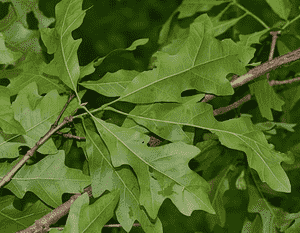
Visually, Overcup oak imparts a classic yet rustic charm to any garden area. With its vibrant green foliage in summer that transitions into a spectrum of warm hues in autumn, Overcup oak provides dynamic visual interest throughout the year. Its bark, featuring a rugged texture and rich color, adds an element of natural beauty to the scenery. Whether as a focal point or part of a broader garden scheme, Overcup oak helps establish a visually coherent and attractive environment.
Selecting the Ideal Location for Overcup Oak
Factors to consider for optimal placement
Choosing the correct spot for Overcup oak within your garden is crucial for its development and contribution to the landscape. Evaluate aspects such as available space, proximity to other plants or structures, and potential mature size. Overcup oak can grow quite large, so ensure it has sufficient room to expand without interfering with buildings or other garden elements. Additionally, contemplate how its positioning will impact the overall look and feel of your garden, aiming for a balanced and harmonious arrangement.
How sunlight and soil impact Overcup oak's growth
Sunlight and soil type are critical elements for the successful growth of Overcup oak. This tree flourishes in well-drained soil with a medium to slightly acidic pH level. It prefers full sun exposure but can endure partial shade. Ensuring the soil is fertile and not overly compacted will encourage healthy root development. Testing soil composition and sunlight exposure in various parts of your garden can help you pinpoint the best location for Overcup oak, guaranteeing robust growth and longevity.
Integrating Overcup Oak with Other Plant Varieties
Companion plants for Overcup oak
Incorporating Overcup oak with other plant species can enhance the aesthetic appeal and ecological health of your garden. Consider pairing Overcup oak with plants that thrive in similar soil and light conditions. Shrubs, flowering plants, and ground covers with complementary colors and textures can create a visually pleasing contrast. For instance, planting shade-tolerant flowers or leafy plants beneath Overcup oak's canopy can create a layered look, adding depth and interest to your garden design.
Designing for biodiversity with Overcup oak
Designing with biodiversity in mind ensures a healthier and more resilient garden ecosystem. Include a mix of native plants, perennials, and annuals to support local wildlife, including pollinators like bees and butterflies. Overcup oak can serve as a keystone species within this diverse plant community, offering shelter and resources for various creatures. By fostering biodiversity, you create a sustainable and thriving garden environment that benefits both plants and wildlife.
Year-Round Advantages of Overcup Oak in Your Garden
Seasonal transformations and visual appeal
Overcup oak offers year-round visual interest, changing with the seasons to bring different aesthetic qualities to your garden. In spring and summer, its lush green foliage provides a vibrant backdrop. Come autumn, the leaves transform into beautiful shades of yellow, orange, and brown, adding warmth and charm. Even in winter, the bare branches of Overcup oak contribute to the garden's structure, creating intriguing silhouettes against the winter sky.
Ecological benefits of planting Overcup oak
Beyond aesthetics, Overcup oak provides numerous ecological advantages. As a native tree, it supports local wildlife by offering food and habitat. Its deep roots help stabilize soil, preventing erosion, and improving water infiltration. Additionally, Overcup oak contributes to air quality by filtering pollutants and releasing oxygen. By including Overcup oak in your garden, you enhance the ecological health of your landscape, making a positive impact on the local environment.
Maintaining the Health and Beauty of Overcup Oak
Simple tips to keep Overcup oak flourishing
Maintaining the health of Overcup oak requires consistent care and attention. Ensure it receives adequate water, especially during dry periods, but avoid overwatering. Mulching around the base helps retain moisture and regulate soil temperature. Prune dead or diseased branches to encourage healthy growth and shape. Regular soil testing can guide fertilization practices, ensuring Overcup oak gets the necessary nutrients for optimal health.
How to visually assess the wellbeing of Overcup oak
Regularly evaluating the visual health of Overcup oak helps identify potential issues early. Look for signs of distress, such as discolored leaves, wilting, or unusual growth patterns. Check for pests or disease symptoms, like spots or abnormal marks on the bark and leaves. A healthy Overcup oak should have vibrant foliage, strong and sturdy branches, and a consistent growth rate. Taking the time to visually inspect Overcup oak ensures that it remains a thriving and beautiful part of your garden landscape.



