Enhancing Your Garden Design with the Laurel oak Plant: A Landscaping Guide
1
Laurel oak adapts well to diverse garden styles, ranging from structured to natural settings.
2
Strategic positioning and pairing with suitable companion plants are crucial for maximizing Laurel oak's visual effect.
3
Laurel oak improves visual beauty while also supporting ecological diversity and environmental sustainability.
Appreciating the Visual Charm of Laurel Oak
Laurel oak's visual transformation across seasons
The visual allure of Laurel oak shifts with the seasons, providing an active and ever-changing focal point in your outdoor space. In spring and summer, its glossy green foliage offers a lush backdrop for vibrant blooms and shrubs. As autumn approaches, these leaves can adopt a gentle brown hue, sustaining interest during a period when many other plants begin to fade. This seasonal variation ensures Laurel oak remains appealing and captivating throughout the year, making it a versatile choice for any landscape.
Color and texture contributions to garden aesthetics
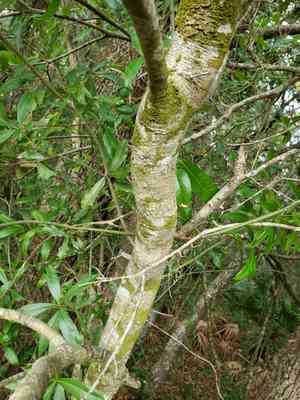
Laurel oak introduces distinct color and texture to your garden, enhancing various themes you might select. Its leaves possess a unique shape and sheen that can serve as a contrasting element in a garden filled with softer textures. Whether you're aiming for a tropical haven, a Mediterranean escape, or a classic English garden, Laurel oak can integrate seamlessly into each design, adding its particular charm and character. The bark's rough texture also offers an interesting contrast to smoother elements like paved paths or water features, thereby enriching the overall visual experience in your garden.
Height and structural considerations for balanced design
The height and structural form of Laurel oak are vital for creating a balanced and harmonious garden layout. Reaching moderate heights, it can function as a mid-layer plant, bridging the gap between low-growing shrubs and taller trees. This spatial arrangement aids in creating depth and perspective in your garden. Furthermore, the structured canopy of Laurel oak provides ample shade, making it an ideal spot for placing garden benches or other relaxing areas. Its well-proportioned trunk and branches also ensure stability and can serve as sturdy support for climbing plants, thus integrating more layers of interest within your landscape.
Integrating Laurel Oak into Diverse Landscape Styles
Utilizing Laurel oak in structured garden arrangements
In formal garden designs, symmetry and structure are key components. Laurel oak fits well into these setups due to its consistent shape and manageable height. You can plant Laurel oak along walkways or use it to frame entrances, providing a dignified and elegant appearance. Pairing it with trimmed hedges or topiary can further enhance the formal aesthetic, maintaining a neat and orderly look. Its evergreen nature ensures that the formality remains intact throughout the year, giving your garden a polished and well-kept appearance at all times.
Incorporating Laurel oak into natural and woodland landscape designs
Laurel oak effortlessly complements natural and woodland landscape designs, offering a sense of organic flow and harmony. Its natural growth habits and textured bark blend seamlessly with other native plants and trees, creating an authentic woodland feel. When planting Laurel oak in such settings, consider grouping it with undergrowth like ferns and wildflowers to replicate a more natural, untamed environment. The tree also provides essential habitat and food for local wildlife, making your garden a sanctuary for birds and beneficial insects.
Adapting Laurel oak for compact areas and urban settings
For those dealing with limited space or urban environments, Laurel oak offers a practical yet visually appealing solution. Its moderate size and manageable root system make it suitable for confined areas without risking structural damage to nearby buildings or pavements. You can plant Laurel oak in large containers or small garden beds, where it will still provide a lush canopy and act as a green oasis amid urban structures. Pairing it with low-maintenance, drought-tolerant plants can further enhance its suitability for city living, creating an easy-to-manage yet visually appealing green space.
Practical Advice for Planting and Positioning Laurel Oak
Choosing prime locations in your garden for Laurel oak
Selecting the correct location is crucial for ensuring Laurel oak thrives in your garden. Look for a spot that provides sufficient sunlight, ideally partial to full sun, and ensures well-drained soil. Avoid planting in areas that retain water, as poor drainage can lead to root rot. Consider the tree's eventual size and provide ample space for it to grow without competing for resources with nearby plants. The location should also complement your garden's overall design, either as a central feature or an accent plant.
Pairing Laurel oak with compatible plants
Pairing Laurel oak with the right plants can enhance its visual appeal and contribution to your garden. Opt for understory plants like hostas, ferns, or perennials that thrive in the dappled shade created by Laurel oak's canopy. Additionally, consider shrubs and ornamental grasses that add varying heights and textures, creating a layered effect. Ensure that the chosen plants have similar water and sunlight requirements to Laurel oak, promoting a harmonious and low-maintenance garden environment.
Avoiding common errors when placing Laurel oak
Avoiding typical positioning mistakes is vital for the health and longevity of Laurel oak in your garden. Do not plant Laurel oak too close to buildings, pathways, or other structures where its roots or branches might cause issues as it matures. Ensure that it isn't placed in overly shaded areas where it may struggle to get sufficient light. Also, avoid overcrowding by giving Laurel oak ample space to spread its roots and branches without competing for nutrients and water with nearby plants. Proper initial placement will save you from potential issues and transplanting headaches down the line.
Enduring Advantages of Including Laurel Oak in Your Garden
Boosting property value through mature Laurel oak
Mature trees, such as Laurel oak, are known to significantly increase property value. Their presence adds an established and well-maintained look to the property, appealing to potential buyers and increasing market value. A mature Laurel oak can serve as a significant landscape feature, offering beauty, shade, and a sense of permanence that is highly attractive in real estate. In addition, its low maintenance and enduring appeal make it a valuable long-term investment for any homeowner looking to improve their property.
Laurel oak's contributions to biodiversity and ecological friendliness
Laurel oak offers substantial ecological benefits, contributing positively to biodiversity and eco-friendliness. It provides habitat and food for various wildlife, including birds, insects, and small mammals, thus playing a crucial role in supporting local ecosystems. Additionally, Laurel oak helps in air purification and carbon sequestration, making your garden more environmentally sustainable. By planting Laurel oak, you not only enrich your landscape aesthetically but also contribute to broader ecological health and biodiversity.
Seasonal transformations and lasting visual appeal
One of the primary benefits of Laurel oak is its capacity to provide continuous visual interest throughout the year. Its evergreen nature ensures that there is always a touch of green in your garden, even in the colder months. The seasonal changes in leaf color and texture add dynamic visual appeal, making your garden look vibrant and engaging in every season. This enduring beauty makes Laurel oak a reliable and worthwhile addition to any landscape, providing continuous enjoyment and enhancing the overall aesthetic experience of your garden.



