Enhancing Your Garden Design with the Ring-cupped oak Plant: A Landscaping Guide
1
The Ring-cupped oak provides both visual appeal and practical advantages for diverse garden designs.
2
Adding Ring-cupped oak to your outdoor space can introduce vibrant seasonal color shifts.
3
Easy care advice can guarantee the long-term vitality and well-being of Ring-cupped oak in your yard.
Introducing Ring-cupped Oak in Landscape Design
The visual appeal of Ring-cupped oak in garden layouts
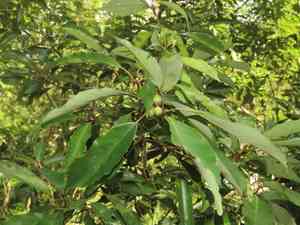
Ring-cupped oak is prized for its significant aesthetic charm, making it a preferred option among landscape professionals. Its dense foliage, characterized by a rich green shade, imparts a lush, lively quality to any environment. The tree's balanced form and sturdy build offer an architectural element that can ground a garden, providing equilibrium and depth. Furthermore, its varied leaf textures and shapes can offer a perfect contrast to softer greenery, enhancing the overall garden beauty.
Why Ring-cupped oak is a favored selection for gardeners and landscape architects
Landscape architects and gardeners frequently choose Ring-cupped oak due to its adaptability and hardiness. This robust tree thrives in diverse soil conditions and climates, establishing it as a dependable foundation for various landscapes. Moreover, Ring-cupped oak exhibits excellent flexibility, easily fitting into formal, cottage, and contemporary garden styles. Its slow growth rate is another benefit, requiring less frequent trimming and shaping, thereby reducing long-term upkeep efforts.
Integrating Ring-cupped Oak into Various Landscape Themes
Utilizing Ring-cupped oak in structured garden designs
In formal garden settings, Ring-cupped oak can be strategically positioned to delineate areas and establish organized arrangements. The tree's symmetrical growth pattern is well-suited for topiary work and can be shaped into geometric forms, enhancing the formal aesthetic. Use Ring-cupped oak to line pathways or create focal points within a verdant lawn to achieve an elegant, timeless appearance.
Incorporating Ring-cupped oak into cottage-style gardens
Ring-cupped oak adds a touch of resilience and texture to the whimsical, informal character of cottage gardens. Its dense foliage can beautifully contrast with the delicate and diverse blooms typical of this style. Position Ring-cupped oak along garden edges or near charming garden structures like trellises and pergolas to add depth and structure. Its reliable form provides a stable, visual anchor amidst more free-flowing, colorful plantings.
Application of Ring-cupped oak in modern, minimalist garden schemes
In minimalist garden designs, the simplicity and strong form of Ring-cupped oak can serve as a central feature. Its clean lines and uniform shape complement the sleek, uncluttered aesthetic of modern landscapes. Plant Ring-cupped oak as a solitary specimen or in carefully spaced clusters to draw attention and create visual interest. Pairing Ring-cupped oak with hardscape elements like stone paths or concrete planters can amplify its minimalist appeal.
Seasonal Considerations for Ring-cupped Oak in Landscaping
How Ring-cupped oak adapts to different seasons
Ring-cupped oak is not merely a summer highlight; it offers dynamic changes and beauty throughout the entire year. In spring, it delights with fresh, new leaves, providing a vibrant burst of green. Summer sees the foliage reaching its lush peak, contributing robustly to the landscape. As autumn approaches, Ring-cupped oak may retain some of its leafy fullness, providing a consistent green backdrop while other plants change colors. In winter, the tree's evergreen nature ensures your garden maintains structural interest and greenery even in colder months.
Managing the changing hues of Ring-cupped oak throughout the year
To maximize Ring-cupped oak's year-round appeal, observe and utilize its subtle color shifts. Coordinate surrounding plants to complement these transitions. Bright spring flowers can highlight the fresh green leaves, while autumn-hued perennials can enrich its steadfast green in fall. During winter, consider juxtaposing it with plants that add contrast, such as evergreens with different textures or deciduous trees with striking branch structures.
Maintenance Advice for Landscaping With Ring-cupped Oak
Simple care strategies for Ring-cupped oak
Maintaining Ring-cupped oak is straightforward with a few thoughtful practices. Consistent watering, especially during dry periods, ensures the tree remains healthy and vibrant. Applying mulch around the base can help retain moisture and protect the roots while reducing weed competition. Annual pruning helps maintain its shape and remove any dead or diseased wood, promoting overall plant health.
How to enhance the longevity and vitality of Ring-cupped oak
The longevity and health of Ring-cupped oak can be extended through consistent care and attention. Avoid over-fertilizing, as this can lead to excessive growth spurts that stress the tree. Monitor for common pests and diseases regularly, and take prompt action if any issues arise. Providing adequate space for root expansion can also contribute to the tree's long-term well-being, ensuring it continues to be a strong, attractive feature in your landscape for years to come.



