Enhancing Your Garden Design with the Scarlet oak Plant: A Landscaping Guide
1
Scarlet oak flourishes across diverse soil conditions, offering adaptability for various garden environments.
2
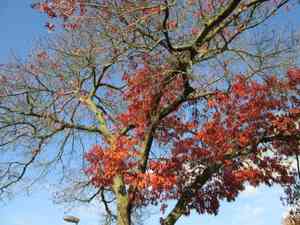
The distinctive visual charm of Scarlet oak adds vivid splendor to any outdoor space.
3
Scarlet oak offers shelter and sustenance for indigenous fauna, boosting ecological diversity.
Why Select Scarlet Oak for Your Outdoor Space?
Versatility in Diverse Soil Types
When thinking about adding Scarlet oak to your landscape, a key attribute is its ability to adapt to various soil conditions. This flexibility means you can cultivate Scarlet oak in sandy, loamy, or clay soils, making it an excellent option for many garden environments. Its hardiness allows it to flourish where other plants might struggle, providing a dependable and beautiful addition to your garden.
Distinctive Visual Charm
The visual appeal of Scarlet oak is truly unmatched. Its striking leaves offer a dynamic and vivid beauty that shifts with the seasons, ensuring your garden remains visually engaging all year. In spring and summer, its rich green foliage provides a refreshing backdrop, while the autumn change to deep red tones adds a dramatic burst of color. This seasonal variation makes Scarlet oak a focal point in any landscape design.
Advantages for Local Wildlife
Choosing Scarlet oak for your landscape also signifies a commitment to supporting local fauna. This tree offers vital habitats and food sources for various creatures, from birds and insects to small mammals. By including Scarlet oak, you contribute to the ecological well-being of your area, fostering biodiversity, and creating a more sustainable and flourishing environment in your garden.
Strategic Positioning of Scarlet Oak in Your Garden
Visual Impact Considerations
To maximize the visual effect of Scarlet oak in your garden, carefully consider its placement. Positioning Scarlet oak as a central element or a background feature can enhance the overall aesthetic of your landscape. Its towering stature and vibrant colors can draw the eye and create a structured, unified appearance. Additionally, the play of light through its leaves can add intriguing shadows and depth to your garden's design.
Space and Growth Requirements
Understanding the spatial and growth needs of Scarlet oak is vital for a successful landscaping plan. This magnificent tree requires ample room to achieve its full height and spread, so ensure it's planted in an area where it won't be confined or overshadowed by other structures or plants. Planning for its mature size guarantees that Scarlet oak can grow healthily without obstruction, providing a towering and impressive feature in your garden.
Protection and Shade Benefits
One of the practical advantages of incorporating Scarlet oak into your landscape is the shade and shelter it provides. Its wide canopy can offer a cooling reprieve during hot summer months, making outdoor areas more pleasant. Furthermore, the shade can protect more delicate plants, creating a microenvironment that encourages diverse growth. Strategic placement can also shield buildings and outdoor seating areas from excessive sun exposure, improving comfort and energy efficiency.
Companion Planting: What Thrives with Scarlet Oak?
Selecting Understory Flora
To complement Scarlet oak in your landscape, choosing the right understory plants is crucial. These plants grow beneath the canopy and can coexist harmoniously with the tree. Consider shade-tolerant species that flourish in the dappled light filtering through Scarlet oak's leaves. Ferns, hostas, and woodland flowers are excellent choices, adding layers of texture and color beneath the majestic branches of Scarlet oak.
Color Harmony Techniques
Color coordination is essential for achieving a visually pleasing garden design. Pair Scarlet oak with plants that accentuate and complement its seasonal color changes. For instance, in summer, place plants with contrasting or harmonizing hues nearby to make the green foliage stand out. In autumn, you might want to match the deep reds of Scarlet oak with yellows and oranges for a more dramatic effect. This strategic pairing ensures a captivating color palette throughout the year.
Plant Health Interactions
When designing your garden, it's crucial to consider the health interactions between Scarlet oak and its companion plants. Some plants can benefit from the conditions created by Scarlet oak, such as the enriched soil from fallen leaves and the moderated temperature under its shade. Avoid planting species that are highly competitive for nutrients or prone to pests that could affect Scarlet oak. Understanding these interactions leads to a healthier, more balanced garden ecosystem.
Seasonal Considerations for Scarlet Oak in Landscaping
Spring and Summer Bloom
Integrating Scarlet oak into your landscape allows you to appreciate its beauty across seasons. During spring and summer, Scarlet oak comes alive with lush, vibrant green foliage that creates a refreshing atmosphere. This period is ideal for hosting outdoor gatherings or simply relaxing in your garden, as the tree provides ample shade and a picturesque setting.
Autumn Color Transformation
One of the most striking characteristics of Scarlet oak is its autumn color shift. As the weather cools, the leaves change into vivid shades of red and crimson, making Scarlet oak a highlight of your fall garden. This dramatic display not only enhances your landscape but also signals the seasonal change, offering a breathtaking view every autumn.
Winter Structure and Presence
Even in winter, Scarlet oak maintains its presence and contributes to the landscape's framework. With its bare branches silhouetted against the sky, the tree adds architectural interest and a sense of continuity to your garden. The sturdy branches can collect snow, creating a picturesque winter scene that keeps your garden visually engaging even in the off-season.



