Enhancing Your Garden Design with the Chinese wingnut Plant: A Landscaping Guide
1
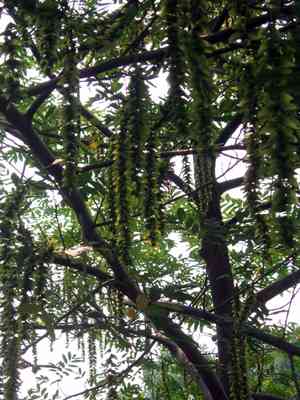
The Chinese wingnut is recognized for its unique winged seed pods and divided foliage, bringing a special beauty to any outdoor space.
2
Chinese wingnut trees can reach considerable sizes, making careful site selection crucial for garden integration.
3
The Chinese wingnut contributes significantly to ecological diversity by offering shelter and sustenance to numerous organisms.
Grasping the Fundamentals of Chinese Wingnut for Outdoor Spaces
What distinguishes Chinese wingnut in landscape design?
When selecting plants for your landscape, Chinese wingnut stands out due to its distinctive attributes. A prominent characteristic is its winged seed pods, which provide visual appeal and a dynamic look throughout the year. Furthermore, Chinese wingnut features compound leaves, offering a lush, textured appearance that suits various garden styles. As a deciduous tree, it offers seasonal variation, with vibrant green foliage in summer and intriguing bare branches in winter. This adaptability makes Chinese wingnut a valuable asset to any landscape design.
Typical growth patterns of Chinese wingnut and space requirements
Chinese wingnut is a robust tree known for achieving significant height and spread, often reaching 20-40 feet tall and wide. This expansive growth necessitates careful spatial planning to prevent it from overshadowing other plants or dominating a small garden area. When planting Chinese wingnut, consider its long-term growth and allocate sufficient space for its developing canopy. Providing ample room for root expansion and ensuring it doesn't interfere with structures or other garden elements will help maintain a balanced and harmonious landscape.
Designing with Chinese Wingnut: Visual Appeal and Placement
How to feature Chinese wingnut as a garden focal point
To establish Chinese wingnut as a garden focal point, strategic placement is crucial. Positioning it centrally where its height and unique foliage can be fully appreciated will draw the eye and create a natural centerpiece. Consider planting it in an open area where sunlight can enhance its features, or near paths where its distinct appearance and seasonal changes can be enjoyed up close. Integrating Chinese wingnut with garden elements like stone benches, water features, or sculptures can also amplify its presence and create a cohesive, visually appealing landscape.
Companion plants for Chinese wingnut: What pairs best?
Selecting companion plants for Chinese wingnut involves choosing species that thrive in similar conditions and enhance its beauty. Understory plants, such as ferns and hostas, can fill the space beneath the canopy, providing ground cover and a lush, layered effect. Ornamental grasses and perennials, like daylilies or coneflowers, can add color and texture that beautifully contrast with the compound leaves of Chinese wingnut. Grouping plants with similar moisture and sunlight needs ensures a harmonious and flourishing garden ecosystem.
Maintaining Aesthetics: Seasonal and Long-Term Considerations
Seasonal transformations and Chinese wingnut: What to anticipate?
Throughout the year, Chinese wingnut undergoes various changes that can impact your garden's overall appearance. In spring and summer, expect vibrant green foliage that adds a fresh and lively feel. As autumn approaches, the leaves may transition to warm hues, providing a stunning display of fall color. In winter, the bare branches and winged fruits create a sculptural aesthetic, offering visual interest even during dormancy. Understanding these seasonal shifts can help you plan complementary plantings and garden features that keep your landscape attractive year-round.
Long-term growth considerations for Chinese wingnut
Considering the long-term growth of Chinese wingnut is vital for maintaining garden balance. Regular pruning will help manage its size and shape, preventing it from outgrowing its space or causing issues with overhead wires or nearby structures. Monitoring for pests and diseases is also crucial to ensure the tree remains healthy and vibrant. Additionally, understanding its water and nutrient requirements will support sustained growth and prevent potential problems caused by environmental stressors. Planning for these long-term maintenance needs ensures that Chinese wingnut remains an integral and beautiful part of your landscape for years to come.
Ecological Advantages of Incorporating Chinese Wingnut in Your Yard
Boosting biodiversity with Chinese wingnut
Including Chinese wingnut in your landscape not only adds aesthetic value but also enhances biodiversity. The tree provides a habitat for various bird species, insects, and small mammals. Its dense foliage offers nesting sites, while the winged fruits serve as a food source for wildlife. By planting Chinese wingnut, you contribute to a healthier ecosystem, fostering a diverse array of species that benefit your garden's overall health and resilience.
Chinese wingnut's role in local ecosystems
Chinese wingnut plays a crucial role in local ecosystems by supporting the lifecycle of numerous species. Its presence aids in natural soil enrichment, improving soil health and structure over time. The tree's extensive root system can help prevent soil erosion, promoting stable ground conditions. Additionally, decomposing leaves add organic matter to the soil, enhancing nutrient cycling. By incorporating Chinese wingnut into your landscape, you're not only beautifying your space but also strengthening the local environmental fabric.



