Enhancing Your Garden Design with the Flowering almond Plant: A Landscaping Guide
1
The Flowering almond contributes vivid hues and structural elements to diverse landscape layouts.
2
Cultivate Flowering almond in soil that drains effectively and provide abundant sunlight for peak development.
3
Consistent trimming aids in preserving the visual attractiveness and vitality of the Flowering almond.
Introducing Flowering Almond in Garden Design
Overview of Flowering Almond's Visual Appeal
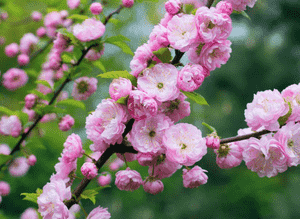
Flowering almond is celebrated for its striking beauty, capable of transforming any outdoor space into a stunning display. With its exquisite, delicate blossoms in various hues, this plant injects a burst of color and charm into any setting. The flowers create a picturesque vista, especially when fully open. Its allure extends beyond the blooms to its branch structure, offering an attractive form even when not in flower.
A Brief History of Flowering Almond in Landscape Architecture
Flowering almond boasts a rich heritage in garden planning, spanning many centuries. It has been a favored selection in traditional and cultural gardens, particularly in Asian landscapes where it symbolizes rebirth and elegance. Historically, Flowering almond adorned palace grounds and served as decorative plants in sacred sites. This background contributes to its symbolic presence and lasting popularity in modern landscape design.
Importance of Selecting Appropriate Plants for Landscaping
Choosing suitable plants, such as Flowering almond, is essential for crafting a harmonious and visually pleasing landscape. The right flora can enhance the natural splendor of the area, boost biodiversity, and foster a balanced ecosystem. Flowering almond is particularly significant as it not only adds aesthetic value but also supports pollinators like bees and butterflies. Opting for plants that align with your garden's specific conditions and design objectives ensures enduring success and enjoyment.
Which Garden Styles Complement Flowering Almond?
Traditional Gardens and Flowering Almond's Role
Flowering almond integrates seamlessly into traditional garden environments, where it can establish a tranquil and timeless ambiance. Its classic beauty complements other traditional elements such as stone pathways, water features, and sculpted hedges. In a traditional garden, Flowering almond often acts as a focal point or as a backdrop for other blooming plants, enhancing the overall aesthetic of the landscape.
Modern Landscapes with Flowering Almond: A Touch of Sophistication
In contemporary landscapes, Flowering almond introduces an element of grace and refinement. Its clean lines and impressive blooms offer a modern look that can elevate minimalist designs. Whether arranged in geometric patterns or as part of a mixed border, Flowering almond provides both color and structure, helping to alleviate the monotony of expansive, open areas with its dynamic presence.
Rustic Settings Enhanced by Flowering Almond
Rustic landscapes greatly benefit from the inclusion of Flowering almond, which imparts a sense of natural beauty and untamed charm. Its blossoms can soften the ruggedness of rocks and timber, creating a harmonious contrast. In a rustic setting, Flowering almond pairs well with other native plants and wildflowers, contributing to a relaxed, naturalistic feel that is both inviting and visually appealing.
Optimal Planting Strategies for Flowering Almond
Best Season and Conditions for Planting Flowering Almond
The ideal period to plant Flowering almond is during early spring or autumn when the weather is mild. These seasons offer the best conditions for the plant to establish its root system before the extreme temperatures of summer or winter. Flowering almond thrives in well-draining soil and requires full sun to partial shade to grow effectively. Ensuring these conditions will help the plant flourish and contribute to a vibrant landscape.
Spacing and Layout Tips for Optimal Growth and Visual Impact
Proper spacing is crucial for the healthy development and visual appeal of Flowering almond. Planting them too close can impede air circulation and heighten disease risk, while excessive distance may diminish their visual effect. A good guideline is to space Flowering almond plants approximately 3 to 4 feet apart. Strategically arranging them in clusters or as part of a layered planting scheme can enhance their prominent blooms and create a captivating scene.
Companion Plants That Pair Well with Flowering Almond
Flowering almond harmonizes well with various companion plants that can enhance its beauty and ensure a well-rounded landscape design. Consider planting it alongside spring bulbs, such as tulips and daffodils, which complement its early blossoms. Perennials like peonies, hostas, and ferns also make excellent companions, adding texture and varying heights that can create a more dynamic and visually appealing garden.
Maintaining Flowering Almond in Your Garden
Regular Pruning and Seasonal Care
Pruning is essential for preserving the form and health of Flowering almond. Consistent trimming during the dormant season helps remove dead or diseased branches, encourages new growth, and maintains its aesthetic shape. It's important to use clean, sharp tools for precise cuts, which aid the plant's quick recovery and prevent infections. Seasonal care, including mulching and fertilization, also supports vigorous growth and ensures the plant's continued health.
Managing Common Pests and Diseases
Flowering almond is susceptible to various pests and diseases, such as aphids, spider mites, and fungal infections. Regular inspection and prompt treatment are crucial for addressing these issues. Integrated pest management (IPM) techniques, including biological controls and organic sprays, are effective in keeping pests at bay while minimizing environmental impact. Ensuring good air circulation and avoiding overhead watering can prevent fungal diseases.
Long-Term Health and Rejuvenation Techniques
Maintaining the long-term health of Flowering almond involves proper water management, soil vitality, and periodic rejuvenation pruning. Rejuvenation pruning, which entails cutting back old growth to stimulate new shoots, can be performed every few years to keep the plant vigorous and productive. Consistent monitoring for nutrient deficiencies and amending the soil accordingly will also support the plant's health over the years, ensuring it remains a beautiful and integral part of your landscape.



