Enhancing Your Garden Design with the Tibetan cherry Plant: A Landscaping Guide
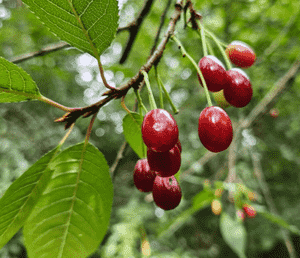
1
Tibetan cherry needs little upkeep, perfect for those who prefer easy-care gardening.
2
Its distinctive bark offers continuous aesthetic appeal in your outdoor space.
3
Thoughtful positioning of Tibetan cherry can make it a striking centerpiece in any setting.
Why Select Tibetan Cherry for Your Garden?
Distinctive Visual Appeal
A primary reason to opt for Tibetan cherry in your garden is its unique aesthetic charm. The bark of this cherry stands out; its rich, polished, chestnut-like look is almost unparalleled. The bark sheds in small pieces, revealing a smooth, touchable surface that glistens in sunlight, adding a special touch to your landscape. This visual interest makes Tibetan cherry an excellent choice for creating a distinctive and captivating garden.
Seasonal Color Transformations
Unlike many plants that maintain a relatively consistent appearance throughout the year, Tibetan cherry offers delightful changes that keep your garden vibrant year-round. In spring, its delicate white blossoms provide a beautiful contrast to the red bark. During autumn, its leaves turn brilliant shades of yellow, adding a burst of warmth to your garden. These seasonal shifts ensure your garden remains dynamic and visually engaging, regardless of the time of year.
Effortless Upkeep
Gardeners often seek plants that require minimal attention, and Tibetan cherry perfectly fits this description. This plant is quite drought-tolerant once established, needing little watering. It also exhibits good resistance to common pests and diseases, further reducing the need for chemical treatments and intensive care. With just occasional trimming to maintain its form and health, Tibetan cherry allows you to enjoy its beauty without investing excessive effort in its maintenance.
Incorporating Tibetan Cherry into Your Landscape
Choosing the Optimal Spot
Selecting the right location for Tibetan cherry in your garden is vital for its success. Tibetan cherry thrives in well-drained soil and prefers areas that receive full to partial sunlight. Avoid soggy spots where water tends to accumulate, as this can lead to root rot. By planting Tibetan cherry in a place where it gets adequate sunlight and the soil conditions are favorable, you'll ensure a healthier and more vibrant plant.
Compatible Plant Pairings
Integrating Tibetan cherry into your garden seamlessly involves pairing it with complementary plants. Consider plants with contrasting foliage or bloom times to maximize visual impact. For instance, combining Tibetan cherry with evergreen shrubs can enhance its winter appeal when the surrounding greenery contrasts with the striking bark. Other flowering perennials and ornamental grasses can also provide a beautiful backdrop, making the overall landscape more cohesive and attractive.
Creating Focal Points with Tibetan Cherry
One of the best ways to use Tibetan cherry in your landscape is by making it a central feature. Due to its unique bark and changing appearance, Tibetan cherry naturally draws the eye. Plant Tibetan cherry in a prominent spot, such as at the center of a garden bed or near a seating area where it can be viewed up close. By strategically positioning Tibetan cherry as a centerpiece, you create a captivating visual anchor that enhances the overall design of your garden.
Seasonal Maintenance Tips for Tibetan Cherry
Spring and Summer Care
During the spring and summer months, Tibetan cherry requires some basic care to stay healthy. Watering should be done regularly, especially during dry spells, to ensure the soil remains moist but not waterlogged. Applying a layer of mulch around the base can help retain moisture and protect the roots. Additionally, a balanced fertilizer applied in the spring can promote vigorous growth and flowering. This season is also an excellent time for pruning, removing any dead or damaged branches to maintain the plant's shape and vitality.
Autumn and Winter Strategies
As the seasons shift to autumn and winter, Tibetan cherry continues to add beauty to the garden but with different needs. Fall is an ideal time for additional mulching to insulate the roots against colder temperatures. Minimal watering is needed as the plant goes dormant; ensure the soil doesn't dry out completely. Winter care for Tibetan cherry is straightforward; it's generally hardy and doesn't require extensive protection except in extreme conditions. Wrapping young plants in a protective cover during severe cold spells can safeguard against damage.
Common Issues and Solutions
Managing Pests and Diseases
While Tibetan cherry is relatively resistant to pests and diseases, occasional problems may arise. Insects such as aphids or scale might appear, but these can often be controlled with horticultural oils or insecticidal soaps. Fungal diseases could occur in overly wet conditions; ensure proper spacing and airflow around the plant. Should you notice any signs of disease, remove affected areas promptly and consider applying a fungicide as a preventative measure. Regular monitoring and quick action can keep Tibetan cherry healthy.
Weather-Related Concerns
Weather can present various challenges for Tibetan cherry, particularly in regions with extreme conditions. Prolonged drought can stress the plant, making supplemental watering crucial during dry periods. Heavy snowfall or ice accumulation on branches may cause breakage; gently brushing off snow and ice can prevent damage. In areas with intense summer heat, providing partial shade during the hottest parts of the day can protect the plant from scorching. Adapting your care practices based on weather conditions helps maintain Tibetan cherry's strength and beauty.



