Enhancing Your Garden Design with the Black cherry Plant: A Landscaping Guide
1
Black cherry offers stunning seasonal color shifts, boosting your landscape's aesthetic charm throughout the year.
2
Selecting an appropriate site and adequate spacing for Black cherry is crucial for its robust development and visual impact.
3
Incorporating Black cherry into your garden aids local fauna and promotes environmental equilibrium.
Introducing Black Cherry for Landscaping
Overview of Black cherry's landscaping advantages
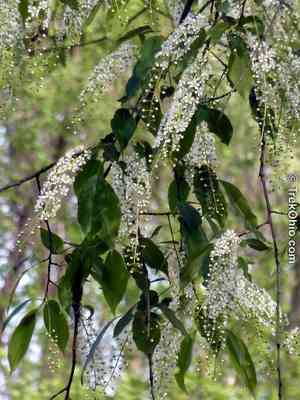
Black cherry's appeal in landscaping stems from its numerous beneficial traits. This tree presents a striking appearance with its dark, glossy leaves that transform into vibrant yellow and red hues in autumn. Its small, fragrant white blossoms in spring add a pleasant scent and visual charm. Beyond its beauty, Black cherry requires relatively little upkeep and adapts to various soil types, making it a versatile option for many gardens and yards. Its considerable height and spread also offer ample shade, contributing to energy savings by naturally cooling the surrounding area.
Why select Black cherry for your garden or yard?
Choosing Black cherry for your garden or yard provides several benefits. Primarily, the tree's ornamental value is undeniable. Its vivid seasonal changes provide year-round color and interest. Furthermore, Black cherry is known for its hardiness, enduring fluctuating weather conditions and showing resistance to many common pests and diseases. This resilience means less time spent on upkeep and more time enjoying your outdoor space. Lastly, Black cherry not only enhances your landscape's aesthetic but also supports local wildlife, providing sustenance and refuge for birds and other creatures.
Design Concepts Featuring Black Cherry
Creating focal points with Black cherry
Utilizing Black cherry as a focal point in your landscape design can generate impressive visual interest and anchor your garden's overall look. Due to its significant size and striking seasonal transformations, Black cherry can easily become the central feature around which other plants and elements are arranged. Positioning Black cherry in a prominent spot, such as at the end of a path or in the middle of a lawn, emphasizes its beauty and ensures it captures the attention of anyone visiting your garden.
Pairing Black cherry with other plants for harmony
To achieve a harmonious landscape, consider combining Black cherry with a variety of other plants. Its height and spread make it an excellent backdrop for shorter shrubs and perennials. Underplanting with shade-tolerant ground covers or flowers can create a layered, rich appearance. For contrast, use plants with different textures and colors, such as evergreens or ornamental grasses, to complement the changing shades of Black cherry. The aim is to achieve a balanced and aesthetically pleasing arrangement that enhances the beauty of each component in your garden.
Seasonal considerations for Black cherry in landscape design
When planning your landscape design with Black cherry, it's vital to account for seasonal aspects. Black cherry undergoes significant changes throughout the yearâfrom its white blooms in spring to its lush green foliage in summer, and finally, to its spectacular array of fall colors. Understanding these transformations can help you plan complementary plantings that fill in gaps or highlight Black cherry's seasonal displays. For winter, ensure the tree is in a location that won't obstruct important garden views once it sheds its leaves. This seasonal planning guarantees a vibrant and dynamic garden year-round.
Practical Advice for Planting and Positioning Black Cherry
Optimal locations for Black cherry's best growth
Selecting the correct location for planting Black cherry is crucial for its optimal development. This tree thrives in areas with well-drained soil and ample sunlight. Planting Black cherry in a spot that receives at least six hours of direct sunlight daily will ensure vigorous growth and vibrant foliage. Additionally, choose a location with sufficient space to accommodate its mature size without crowding nearby plants or structures. Avoid low-lying areas where water might collect, as excessively wet conditions can harm the root system.
Spacing and grouping recommendations for aesthetic appeal
Proper spacing is essential when planting Black cherry to achieve both health and visual appeal. Ensure that Black cherry is planted at least 20 feet away from other trees and large shrubs to prevent overcrowding. This spacing allows its branches to spread naturally and reduces competition for nutrients and water. For a more unified look, consider grouping Black cherry with plants that share similar environmental needs. Clustering plants with varying heights and textures around Black cherry can create a visually interesting and balanced landscape.
Maintaining Black Cherry in Your Landscape
Basic care tips for health and beauty
Maintaining Black cherry involves a few key practices to keep it healthy and looking its best. Regular pruning is vital to encourage healthy growth and remove any dead or diseased branches. It's also important to water Black cherry deeply and periodically, especially during dry periods, to support its root system. Mulching around the base can help retain soil moisture and regulate temperature. Fertilizing in early spring with a balanced tree fertilizer will provide the nutrients needed for robust growth and vibrant foliage.
Addressing common challenges in growing Black cherry
Cultivating Black cherry does present some challenges, but with the right approach, they can be effectively managed. This tree can be susceptible to certain pests and diseases, such as black knot fungus or aphids. Regular monitoring and prompt treatment with appropriate organic or chemical solutions can prevent severe infestations. Additionally, ensuring that Black cherry is planted in a location with good air circulation can reduce the risk of fungal infections. Adequate water management, avoiding both drought stress and waterlogging, is crucial for preventing root rot and other issues.
Black Cherry's Impact on Biodiversity and Ecosystem
Benefits of Black cherry for local wildlife
Black cherry positively influences local wildlife, making it a valuable addition to any landscape. The tree's dense foliage provides shelter for birds, while its flowers offer nectar for pollinators, such as bees and butterflies. In autumn, Black cherry produces small fruits that are a significant food source for various bird species and small mammals. By incorporating Black cherry into your garden, you create a mini-ecosystem that supports and sustains local wildlife, enhancing biodiversity.
Black cherry's contribution to ecological balance
Beyond supporting wildlife, Black cherry plays a crucial role in maintaining ecological balance. Its capacity to absorb carbon dioxide and release oxygen helps improve air quality. Furthermore, Black cherry contributes to soil health through its fallen leaves, which decompose and enrich the soil with organic matter. This natural cycle fosters a healthy environment for other plants and organisms in your garden. Incorporating Black cherry into your landscape design not only beautifies your space but also promotes a more sustainable and balanced ecosystem.



