Enhancing Your Garden Design with the Portuguese cherry laurel Plant: A Landscaping Guide
1
Portuguese cherry laurel flourishes optimally in soil that drains well and receives partial to ample sunlight.
2
Regular trimming of Portuguese cherry laurel assists in preserving its form and promotes robust development.
3
Incorporating Portuguese cherry laurel alongside plants with differing characteristics can result in an aesthetically pleasing garden.
Integrating Portuguese Cherry Laurel into Landscape Design
Why Select Portuguese Cherry Laurel for Your Garden?
Portuguese cherry laurel is a adaptable and robust plant, recognized for its dense leaves and appealing look. It's an excellent option for providing structure and consistent color to your garden. Whether you aim to create a privacy barrier, hedge, or focal point, Portuguese cherry laurel offers durability and simple upkeep, making it a favorite for both new and seasoned gardeners.
The Visual Appeal of Portuguese Cherry Laurel
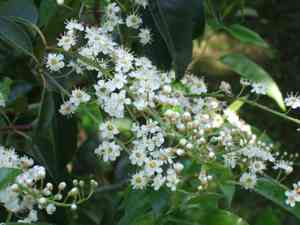
Portuguese cherry laurel's deep green, shiny leaves and delicate white blossoms can greatly boost your garden's visual charm. The plant's abundant foliage can form a lively backdrop for other vibrant plants, while its balanced growth habit adds a refined elegance to garden layouts. Portuguese cherry laurel not only looks good but also brings depth and dimension to your outdoor space.
Optimal Climate and Soil Conditions for Portuguese Cherry Laurel
For Portuguese cherry laurel to flourish, plant it in well-draining soil rich in organic material. It thrives in locations receiving partial to full sun. While it can endure various soil types, it grows best in loamy soils with a slightly acidic to neutral pH. Furthermore, this plant is relatively drought-tolerant once established, making it suitable for gardens in areas experiencing occasional dry spells.
Incorporating Portuguese Cherry Laurel into Diverse Landscape Styles
Utilizing Portuguese Cherry Laurel in Formal Garden Designs
For structured garden designs, Portuguese cherry laurel can be employed to form neat, organized hedges and topiary shapes. Its thick foliage responds well to precise trimming, making it perfect for geometric forms and border plantings. Integrating Portuguese cherry laurel in symmetrical patterns or parterres can impart a touch of classic sophistication to your landscape.
Natural Landscapes: Allowing Portuguese Cherry Laurel to Excel
In more naturalistic or informal garden environments, Portuguese cherry laurel can be permitted to grow freely to achieve a more organic and wild aesthetic. Its hardy nature allows it to thrive in wooded or shaded areas, where it can act as an understory plant, providing year-round greenery. Additionally, planting Portuguese cherry laurel along edges or paths can create a smooth transition between cultivated and wild garden zones.
Pairing Portuguese Cherry Laurel with Other Plants
Combining Portuguese cherry laurel with contrasting plants can produce striking visual displays. Its dark green leaves offer a powerful backdrop for flowering plants or those with lighter foliage. Consider companion plants such as hydrangeas, azaleas, or perennials to introduce seasonal color and enhance the overall beauty. The key is to align the plant's growth needs with those of Portuguese cherry laurel to ensure a harmonious and healthy setting.
Seasonal Care Advice for Portuguese Cherry Laurel in Landscaping
Spring and Summer Care for Peak Growth
During the active growth seasons of spring and summer, ensure Portuguese cherry laurel receives sufficient water, especially during dry spells. Apply mulch around the plant's base to retain moisture and prevent weeds. A balanced fertilizer application in spring will encourage vigorous growth and lush foliage. Regularly check for pests and diseases to address any issues promptly.
Preparing Portuguese Cherry Laurel for Autumn and Winter
As autumn approaches, reduce watering to help the plant prepare for dormancy. Clear away fallen leaves and debris from around the base to prevent fungal infections. In regions with severe winters, consider using a burlap screen to shield Portuguese cherry laurel from strong winds and ice damage. Adding a layer of mulch can also insulate the roots during colder months.
Pruning Techniques Specific to Portuguese Cherry Laurel
Pruning is crucial for maintaining the desired form and size of Portuguese cherry laurel. Perform light trimming in late winter or early spring before new growth emerges. For formal hedges, more frequent pruning might be necessary to keep the edges sharp. Remove any dead or diseased branches to ensure the plant's overall health and promote air circulation among the foliage.
Common Issues and Solutions in Cultivating Portuguese Cherry Laurel
Addressing Pests and Diseases
Common pests affecting Portuguese cherry laurel include scale insects and aphids. Regularly inspect the plant for signs of infestation, such as sticky residue or sooty mold. Use insecticidal soap or neem oil as a natural remedy. Additionally, Portuguese cherry laurel may be susceptible to fungal diseases in humid conditions, which can be alleviated by ensuring good airflow and avoiding overhead watering.
Overcoming Soil and Water Problems
Portuguese cherry laurel prefers well-drained soil, so avoid areas with poor drainage where water can accumulate. If your garden soil is heavy clay, consider planting Portuguese cherry laurel on a raised bed or amending the soil with organic matter to improve drainage. Excessive watering can lead to root rot, so it's vital to balance moisture levels, allowing the soil to dry slightly between waterings.
Managing Overgrowth and Maintaining Form
Portuguese cherry laurel can grow quite vigorously, potentially overshadowing other plants or garden features if not managed. Regular pruning helps control its size and encourages denser foliage. For informal settings, occasional thinning may suffice, but formal landscapes may require more precise and frequent trimming to maintain neat lines and shapes.



