Enhancing Your Garden Design with the Cherry plum Plant: A Landscaping Guide
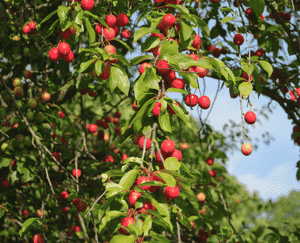
1
Cherry plum flourishes under direct sun exposure, perfect for expansive garden areas.
2
Consistent trimming aids in preserving Cherry plum's form and promotes robust development.
3
Integrating other plants alongside Cherry plum can elevate your garden's visual charm.
Introducing Cherry Plum in Garden Design
Discovering the visual charm of Cherry Plum
A prominent characteristic of Cherry Plum is its striking visual appeal. With its rich, vibrant foliage and delicate flower blooms, Cherry Plum naturally draws the eye in any garden layout. Whether you're aiming for a lively garden display or a subtle, refined touch, Cherry Plum adapts beautifully to various styles. Its flowers range from pure white to deep pink, creating a stunning contrast against its dark bark. In autumn, the leaves transform into warm hues of yellow and orange, adding seasonal beauty to your garden.
Brief overview of Cherry Plum's features for garden use
Cherry Plum is a versatile and hardy tree that offers several advantages for garden designers. It typically reaches a height of 15-25 feet, making it a suitable option for small to medium-sized gardens. Its spreading canopy provides ample shade, making it a practical addition to outdoor seating areas. Furthermore, Cherry Plum is known for its resilience, often thriving in various soil types as long as they drain well. Its moderate growth rate ensures it won't overwhelm your garden while still developing nicely over time.
Optimal Placement for Cherry Plum in Your Landscape
Selecting the best spot in your garden
Choosing the ideal location for Cherry Plum involves considering both aesthetic and practical factors. Cherry Plum performs best when planted in an area where it can receive full sunlight for at least six hours daily. This positioning enhances its flowering potential and overall health. Additionally, consider how Cherry Plum's mature size will fit into your garden planâavoid placing it too close to structures or other large trees to ensure it has adequate room to grow.
How light and spacing impact Cherry Plum's development
Cherry Plum thrives in well-lit environments, and appropriate spacing is vital for its growth. Placing Cherry Plum too near other plants or structures can restrict its sunlight exposure and air circulation, potentially leading to health issues. Ideally, space Cherry Plum about 15-20 feet away from other trees and large plants to encourage optimal growth. Proper spacing also helps prevent the spread of diseases and pests, and allows for easier maintenance.
Companion Planting with Cherry Plum
Ideal companion plants for Cherry Plum in a garden setting
To create a harmonious and visually pleasing garden, consider pairing Cherry Plum with suitable companion plants. Perennials like lavender, echinacea, and salvia work well alongside Cherry Plum, as their diverse colors and textures complement its foliage and blooms. Additionally, taller ornamental grasses can add depth and movement to your garden, enhancing the overall aesthetic without overshadowing Cherry Plum's beauty.
Advantages of choosing appropriate companions
Selecting the right companion plants for Cherry Plum offers several benefits. Beyond aesthetic synergy, companion planting can improve soil health and aid in pest control. For instance, lavender is known for its ability to deter pests, benefiting Cherry Plum by reducing the likelihood of infestations. Moreover, a well-planned companion planting scheme can foster habitat diversity, attracting beneficial insects and promoting a balanced ecosystem within your garden.
Seasonal Care Advice for Cherry Plum
Spring and summer care essentials
During spring and summer, Cherry Plum requires consistent watering, especially during dry periods, to ensure its roots remain moist. Mulching around the base can help retain moisture and suppress weed growth. Fertilize Cherry Plum in early spring with a balanced, slow-release fertilizer to support its development and enhance flowering. Regularly check for signs of pests or diseases, and prune any dead or overcrowded branches to maintain its form and health.
Preparing Cherry Plum for autumn and winter
As the seasons change, preparing Cherry Plum for autumn and winter is crucial for its long-term health. Prune after leaf drop in late autumn to shape the tree and remove any damaged branches. Apply a layer of mulch at the base to protect the roots from extreme cold. Watering needs will decrease as the weather cools, but ensure the soil remains moderately moist to prevent root damage. Covering young or newly planted Cherry Plum with burlap can provide additional frost protection during harsh winter conditions.
Common Issues and Solutions for Growing Cherry Plum
Managing typical pests and diseases
Cherry Plum can be vulnerable to pests such as aphids, scale, and caterpillars, as well as diseases like black knot and leaf spot. Regular monitoring and prompt action are key to managing these problems. Natural predators, insecticidal soaps, and horticultural oils can effectively control pest populations. For diseases, removing affected limbs and applying appropriate fungicides can help reduce damage. Ensuring good air circulation through proper spacing and pruning also lowers the risk of infections.
Tips for overcoming landscaping challenges with Cherry Plum
Landscaping with Cherry Plum presents its own set of challenges, but with the right approach, these can be easily managed. Ensure consistent soil moisture to prevent water stress, and use organic mulch to improve soil structure. Balance fertilization to promote healthy growth without encouraging rampant, weak branches. Regularly update your garden plan to accommodate Cherry Plum's growth and avoid potential overcrowding with other plants. Proper planning, continuous care, and adapting to seasonal needs will ensure that Cherry Plum remains a prominent feature in your landscape for years to come.



