Enhancing Your Garden Design with the Carolina cherry laurel Plant: A Landscaping Guide
1
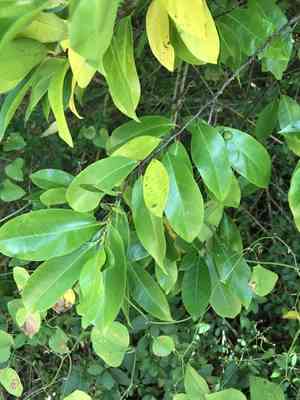
Carolina cherry laurel creates an effective natural screen when positioned thoughtfully in your landscape.
2
Adding Carolina cherry laurel can enhance the beauty and visual appeal of diverse garden designs.
3
Carolina cherry laurel delivers ecological advantages, aiding local fauna and needing minimal upkeep.
Introducing Carolina cherry laurel to Your Garden
Choosing the Right Location for Carolina cherry laurel
When planning to add Carolina cherry laurel to your garden, selecting the appropriate spot is essential. Carolina cherry laurel thrives in both full sun and partial shade, making it adaptable for various garden areas. It's important to ensure the chosen site provides ample space for its development, typically reaching up to 20 feet in height. Consider locations that receive sunlight for at least half the day for optimal growth.
Soil Preferences of Carolina cherry laurel
The soil in your garden plays a critical role in the health and development of Carolina cherry laurel. This plant prefers well-drained soil but can tolerate various soil types, including sandy, loamy, and clay. To boost soil fertility, incorporating organic matter like compost can supply necessary nutrients. Regularly check soil pH levels, maintaining them between 6.0 and 7.0 for best results.
Complementing Plants for Carolina cherry laurel
To create a unified and appealing garden design, pairing Carolina cherry laurel with complementary plants can be very effective. Consider using plants with diverse heights and textures, such as ornamental grasses or flowering perennials. Adding understory plants like ferns or hostas can create a layered look, while combining Carolina cherry laurel with flowering shrubs can enhance your garden's visual appeal.
Initial Steps for Planting Carolina cherry laurel
Planting Carolina cherry laurel involves several initial steps to ensure proper establishment. Begin by digging a hole twice the width of the plant's root ball but no deeper. Amend the soil with compost to improve fertility. Place Carolina cherry laurel in the hole, ensuring the top of the root ball is level with the ground. Fill the hole with soil, firm it gently, and water thoroughly. Mulch around the base to retain moisture and suppress weeds.
Benefits of Carolina cherry laurel in Landscaping
Aesthetic Value and Visual Impact
Carolina cherry laurel enhances your garden's aesthetic value with its evergreen foliage, attractive flowers, and lush appearance. Its glossy dark green leaves create a striking backdrop for other plants, and its white flowers add seasonal interest. The dense growth habit of Carolina cherry laurel contributes to a full and luxurious look, making it a focal point in any landscape design.
Privacy and Natural Barriers
Carolina cherry laurel is an excellent choice for creating natural privacy screens and barriers in your garden. Its dense foliage and compact growth can shield your garden from wind and prying eyes, providing a serene and private outdoor space. Planted in rows, Carolina cherry laurel can effectively delineate property lines and create secluded garden areas.
Environmental Benefits and Wildlife Support
Carolina cherry laurel offers significant environmental benefits, including supporting local wildlife. Its flowers attract pollinators like bees and butterflies, while its berries provide food for birds. By planting Carolina cherry laurel, you contribute to the biodiversity of your garden ecosystem, promoting a healthy environment for various species.
Low Maintenance and Durability
One of the standout features of Carolina cherry laurel is its low maintenance requirements. Once established, Carolina cherry laurel is drought-tolerant and can withstand various environmental conditions, including high winds and poor soil. It requires minimal pruning and fertilization, making it an ideal choice for busy gardeners seeking a durable and resilient plant.
Incorporating Carolina cherry laurel Into Various Garden Styles
Formal Garden Layouts
Carolina cherry laurel fits perfectly into formal garden designs, where clean lines and structured layouts are key. Its symmetrical growth habit can be shaped into hedges, providing a neat and orderly appearance. Pairing Carolina cherry laurel with topiary elements and geometric plantings can enhance the formal aesthetic of your garden.
Cottage Garden Designs
In a cottage garden setting, Carolina cherry laurel adds a lush and romantic touch. Its dense foliage and seasonal blooms blend seamlessly with the informal and charming nature of cottage gardens. Surround Carolina cherry laurel with colorful perennials, climbing roses, and winding pathways to create a picturesque and inviting garden space.
Contemporary Garden Themes
For contemporary garden themes, Carolina cherry laurel offers a sleek and modern element. Its robust structure and glossy leaves complement minimalist and innovative designs. Use Carolina cherry laurel as a statement piece or part of a living wall to emphasize modern architectural lines and clean aesthetics.
Combining Carolina cherry laurel with Hardscaping Elements
Incorporating Carolina cherry laurel with hardscaping elements like stone pathways, garden sculptures, or water features can create a harmonious and balanced garden environment. The contrast between Carolina cherry laurel's natural textures and hardscape materials adds depth and interest to your landscape. Consider using Carolina cherry laurel to soften the edges of patios or borders.
Seasonal Considerations and Carolina cherry laurel's Year-Round Appeal
Spring and Summer: Flowering and Growth
In spring and summer, Carolina cherry laurel comes to life with vigorous growth and attractive white flowers. These seasons see the plant at its peak, providing vibrant foliage and a backdrop for colorful blooms. Regular watering and occasional feeding during this period can enhance its growth and appearance.
Autumn and Winter: Foliage and Structure
During autumn and winter, Carolina cherry laurel maintains its appeal with its evergreen foliage, offering structure and color even in the colder months. Its resilience to frost and strong winds makes it a reliable feature in the garden, providing shelter for wildlife and maintaining garden aesthetics year-round.



