Enhancing Your Garden Design with the Apricot Plant: A Landscaping Guide
1
Knowing Apricot's growth patterns and yearly cycles aids in its optimal garden placement.
2
Combining Apricot with suitable companion plants can result in an attractive and balanced garden.
3
Regular care, including trimming, irrigating, and identifying issues, is crucial for Apricot's health.
Introducing Apricot to Your Garden: A Visual and Practical Guide
Understanding Apricot's Growth Habits and Size
When considering adding Apricot to your garden, the initial step involves comprehending its growth patterns and ultimate dimensions. Apricot typically reaches a height of approximately 15-20 feet, making it a medium-sized tree suitable for most residential settings. Its canopy can spread equally wide, necessitating ample room to expand without encroaching on nearby plants. Grasping these measurements will aid in determining the optimal placement for Apricot within your garden design.
Seasonal Changes: What to Expect from Apricot
A delightful aspect of Apricot is its seasonal transformation. In spring, anticipate a stunning display of delicate, pink blooms signaling the arrival of warmer weather. As seasons progress, these flowers yield to vibrant, green leaves before producing the delicious fruits Apricot is known for. During autumn, the foliage adopts a warm, golden hue, adding a burst of color to your garden. Awareness of these seasonal shifts will help you appreciate and enjoy the cyclical beauty Apricot provides.
Choosing the Right Spot for Apricot in Your Landscape
Selecting the ideal location for Apricot is vital for its health and your garden's visual appeal. Apricot thrives with abundant sunlight, so choosing a well-lit area is crucial. Ensure the soil drains effectively, as Apricot dislikes waterlogged roots. Providing some shelter from strong winds can also safeguard its delicate blossoms and fruits. Consider Apricot's appearance across different seasons and plan accordingly; for instance, planting it near a patio can offer a lovely backdrop of spring blooms and summer shade.
Integrating Apricot with Other Plants: Harmony in Diversity
Complementary Plants That Thrive with Apricot
Cultivating a harmonious garden involves selecting plants that not only look good together but also share similar care requirements. Companion plants such as lavender, rosemary, and thyme can flourish alongside Apricot, offering diverse textures and aromas. These plants generally prefer comparable conditionsâplenty of sunlight and well-draining soil. The fragrant herbs also help attract beneficial insects, which can enhance pollination rates for Apricot's flowers.
Creating Color Balance with Apricot in Your Garden
Color balance is a key element in landscape design. Apricot's vibrant green leaves and bright fruit can serve as focal points in your garden. Pair Apricot with plants that offer contrasting colors, such as the deep purples of salvia or the bright whites of daisies, to create visual interest. In autumn, Apricot's golden foliage harmonizes beautifully with other fall colors like the reds of maple trees or the orange tones of marigolds. This thoughtful color planning helps create a cohesive and aesthetically pleasing garden environment.
Avoiding Common Planting Mistakes
Several common errors should be avoided when planting Apricot to ensure its prosperity. Do not place Apricot too close to large trees or structures that might obstruct sunlight, as it needs full sun for healthy fruit production. Confirm the planting site has well-draining soil to prevent root rot. Excessive fertilization can also be harmful; while more nutrients might seem beneficial, it often leads to abundant foliage growth and reduced fruit yield. Proper spacing, soil preparation, and moderate fertilization are essential.
Maintenance Tips for Keeping Apricot Thriving
Pruning Techniques Specific to Apricot
Pruning is crucial for maintaining Apricot's health and productivity. Prune during late winter or early spring before new growth emerges. Begin by removing dead or diseased branches to prevent infection spread. Thinning out dense areas of the canopy allows more air and light penetration, fostering healthier growth. Additionally, cutting back overly vigorous branches encourages the tree to prioritize fruit development. Remember, a well-pruned tree is a happy tree, contributing to a plentiful harvest.
Watering Requirements Throughout the Seasons
Apricot demands a consistent watering schedule, adjusted for seasonal changes. During the growing season, regular watering ensures the soil remains moist but not waterlogged. Deep watering promotes strong root systems. Transitioning into autumn and winter, decrease watering frequency as the tree enters dormancy. However, be mindful of dry periods, as even in winter, Apricot needs occasional watering to stay hydrated. Mulching around the base can help retain moisture and protect roots from temperature fluctuations.
Spotting Early Signs of Distress in Apricot
Observing early indicators of distress in Apricot can prevent serious issues later on. Look for yellowing leaves, which might suggest overwatering or nutrient deficiencies. Wilting or drooping could signal insufficient watering or root infections. Pay attention to the fruit; small or misshapen fruits might indicate a pest problem or inadequate pollination. Regular inspections help you address problems promptly, maintaining Apricot's health and productivity. Healthy trees not only look better but also yield better harvests.
Leveraging Apricot for Year-Round Appeal
Highlighting Apricot's Seasonal Colors
One of Apricot's primary appeals is its magnificent display of seasonal colors. In spring, its light pink flowers can become a garden focal point. Summer brings vibrant green foliage, contrasting beautifully with the sunlit sky. Autumn is when Apricot truly shines, with its leaves transforming into brilliant shades of gold, offering warmth and richness to the fall landscape. Planning your garden to showcase these seasonal changes ensures that Apricot contributes to a dynamic and ever-changing visual charm.
Using Apricot's Foliage and Fruit for Aesthetic Purposes
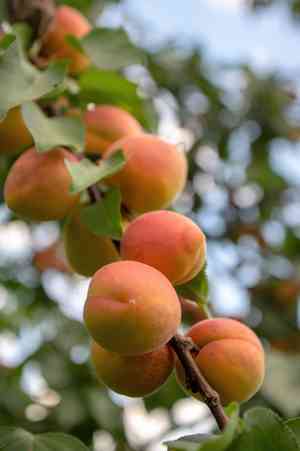
Every part of Apricot can enhance your garden's aesthetics. The lush foliage provides a lovely backdrop, while the delicate blossoms are perfect for creating serene garden nooks. The golden-orange fruits are not just for consumptionâthey add a burst of color that can break the green monotony of a summer garden. You can also gather the fallen golden leaves in autumn to use as natural mulch or even as a base for seasonal craft projects, adding a personal touch to your home decor.
Incorporating Apricot into Holiday and Festive Decorations
Apricot offers numerous opportunities for holiday decor. During spring celebrations, adorn your garden with freshly cut branches featuring blossoms. Use the vibrant fruits as table centerpieces during summer gatherings. In the fall, the golden leaves can embellish wreaths or table arrangements for harvest festivities. Apricot branches can be integrated into Christmas decorations, adding a festive and elegant touch to your home. By thoughtfully utilizing Apricot, you can celebrate the seasons while enhancing your festive decor.



