Enhancing Your Garden Design with the Chickasaw plum Plant: A Landscaping Guide
1
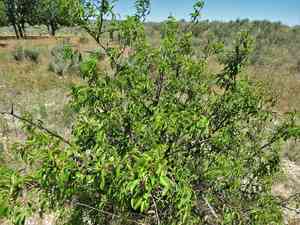
The Chickasaw plum makes an excellent centerpiece for your garden layout.
2
This plum variety provides visual appeal throughout the year, showcasing its evolving flowers, leaves, and fruit.
3
Cultivating Chickasaw plum benefits native fauna and promotes an eco-friendly garden environment.
Introducing Chickasaw plum to Your Landscape
Understanding the Visual Impact of Chickasaw plum
The aesthetic appeal of Chickasaw plum comes from its capacity to bring seasonal changes to your garden. In spring, it adorns gardens with delicate white flowers, creating a serene and picturesque scene. Moving into summer, Chickasaw plum's foliage thickens, offering a lush green canopy for shade and visual depth. The small, tart fruits add another layer of interest, both visually and for taste. By autumn, Chickasaw plum displays vibrant colors, with leaves turning orange and red, adding warmth to cooler months. Understanding these transformations helps appreciate how Chickasaw plum enhances your garden's beauty year-round.
Choosing the Ideal Location for Chickasaw plum
Selecting the optimal site for Chickasaw plum is vital for its growth and beauty. Ideally, it should be planted in an area receiving full sunlight, promoting abundant flowering and fruit. However, it tolerates partial shade. Soil quality is also important; Chickasaw plum thrives in well-drained soil but is adaptable to various conditions. Avoid low spots where water might collect to prevent root rot. Its mature size should also be considered, ensuring ample space without crowding other plants.
Seasonal Considerations for Chickasaw plum Planting
To give Chickasaw plum the best start, consider the seasons for planting. Spring and fall are prime times, allowing root establishment before summer heat or winter cold. In spring, cooler temperatures and regular rain help new plants settle, while fall's warm soil and cool air offer similar benefits. If planting in summer, ensure adequate water to mitigate heat stress. Conversely, if planting in winter, ensure the ground isn't frozen and protect young plants from frost with mulch.
Enhancing Garden Design with Chickasaw plum
Complementary Planting for Chickasaw plum
Pairing Chickasaw plum with other plants can elevate your garden's design. Consider plants with contrasting or complementary colors and textures. Early-blooming perennials like irises or tulips can create a striking display alongside Chickasaw plum's spring blossoms. Additionally, underplanting with ground covers such as creeping thyme or low-growing sedums can form a beautiful carpet beneath its foliage. These plants not only enhance visual appeal but also help retain soil moisture and suppress weeds, contributing to a healthier garden.
Using Chickasaw plum as a Focal Point in Garden Design
Chickasaw plum can be strategically placed to serve as a prominent focal point in your garden. Its seasonal beauty makes it a standout feature that captures attention and grounds the surrounding landscape. Consider planting it at the end of a garden path or in a central location where its changing appearance can be admired throughout the year. Framing it with garden structures like arbors or benches can create inviting garden spaces.
Creating Natural Privacy Screens with Chickasaw plum
Utilizing Chickasaw plum as a natural privacy screen not only adds to your garden's aesthetic but also offers practical advantages. When properly pruned and maintained, it can form a dense and attractive barrier, shielding your garden from views and reducing noise from roads or neighbors. Planting Chickasaw plum in a row along your property line or in staggered clusters can create effective and beautiful screening. Its leafy foliage and seasonal blossoms add natural elegance, making your garden a serene retreat.
Seasonal Beauty of Chickasaw plum
Spring Blossoms: The Early Appeal of Chickasaw plum
Spring is when Chickasaw plum truly awakens. Its early blossoms are among the first signs of the new season, bringing a burst of white flowers that cover the plant. These blooms are not only visually pleasing but also attract pollinators like bees, supporting your garden's ecosystem. The sight of Chickasaw plum in full bloom can lift spirits and signal winter's end, making it a favorite among gardeners who anticipate spring's first touch.
Summer Growth: Lush Foliage and Fruits of Chickasaw plum
As the season progresses into summer, Chickasaw plum transforms from its delicate spring beauty into a robust, leafy presence. Its dense foliage provides ample shade, making it an excellent addition near seating areas. Additionally, Chickasaw plum produces small, tart fruits during this season, offering not only visual interest but also potential for culinary uses like jams and desserts. These fruits can also attract birds, butterflies, and other wildlife, enhancing your garden's vibrancy and diversity.
Autumn Color Changes in Chickasaw plum
Autumn brings a new wave of beauty as Chickasaw plum undergoes a dramatic transformation. Its foliage shifts to brilliant shades of orange, red, and yellow, creating a warm and inviting display that complements the cooling weather. This seasonal color change can be a highlight in your garden's design, making Chickasaw plum the star of your autumn landscape. The fallen leaves also contribute organic material to the soil, promoting a healthy garden ecosystem as they decompose.
Eco-Friendly Advantages of Chickasaw plum
Supporting Local Wildlife with Chickasaw plum
A significant eco-friendly benefit of planting Chickasaw plum is its ability to support local wildlife. Its blossoms attract various pollinators like bees and butterflies, crucial for garden biodiversity and plant pollination. The fruits provide a food source for birds and small mammals during summer and fall, creating a bustling, lively garden environment. Additionally, its thick foliage offers shelter for various insects and small creatures, promoting a balanced ecosystem in your garden.
Improving Air Quality through Chickasaw plum
Planting Chickasaw plum can enhance air quality in your garden and surrounding areas. Like all green plants, it absorbs carbon dioxide and releases oxygen through photosynthesis. Its dense foliage can also trap dust, pollutants, and particulate matter from the air, providing a cleaner, healthier environment around your home. Including Chickasaw plum in your garden design is a simple yet effective way to improve air quality and the overall environmental health of your outdoor space.
Low Maintenance and Sustainability Features of Chickasaw plum
Chickasaw plum is an excellent choice for gardeners seeking low-maintenance and sustainable plants. It is drought-tolerant once established, requiring minimal watering beyond natural rainfall. Its adaptability to various soil types means it can thrive without extensive soil amendments or fertilizers. Additionally, Chickasaw plum is resistant to many common pests and diseases, reducing the need for chemical interventions. These characteristics make it a sustainable option that supports eco-friendly gardening practices, saving time, resources, and effort while contributing to a healthier environment.



